Categories
Miscellaneous

Here we go again!


We hereby declare the 2014 Great Indian Political Circus, open
Love it, or hate it, you can’t ignore it. Television, radio, newspaper, bus shelters, street lights, auto-rickshaws, WhatsApp, pamphlets, door-to-door, stadia, SMS, loudspeakers – and I’m sure even the kitchen sink at a restaurant!!

The air’s heavy, the street’s are full of political discourses. Complete strangers debating in hallways.

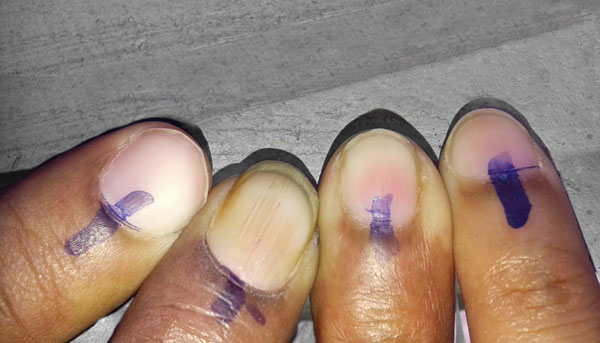
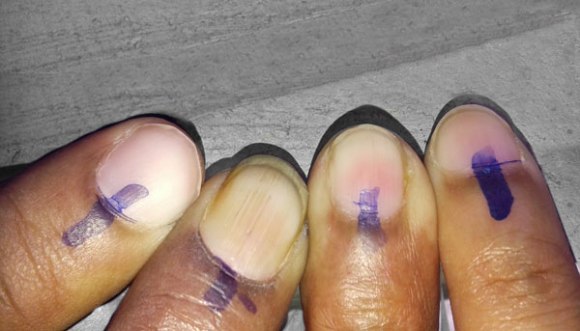
The world watches as the largest democracy begins it largest ever electoral exercise. Today, my dear friends, we decide the future of country. Go on! Show off you ink-stained index finger.

Categories
Miscellaneous

I did my part!


image

Categories
Hobbies Stories

The Sultan’s Cave


Delhi is often described as a graveyard, due to the vast number of Tombs that are spread across the city. Most of them look alike, but some stand out.

A small sign along the main road indicated the path towards our destination. It was a narrow dust road, with trees on either side. We walked a short distance before hitting a fork in the road. Short shrubs, open fields, and grazing goats in front of us, city buildings and afternoon traffic behind. But there was no hint of a historical monument in sight.

We asked the man standing next to the goats, where we could find Sultan Ghari. He paused for a while, and then asked us if we wanted to visit the Dargah. We nodded, and he pointed towards the road on the right.

The tomb is a revered place for devotees of both Hindu and Muslim religious communities of the nearby villages of Mahipalpur and Rangpur since they consider the tomb as the dargah of a saintly ‘peer’; a visit to the tomb is more or less mandatory for newlyweds from these two villages. – Wikipedia

These words made me curious…

It wasn’t very far, but hidden behind the trees, the building seemed to magically appear out of nowhere. And the moment we first saw it, we were surprised. It did not look like a tomb at all. In fact, had we not known it was a tomb, we would have assumed it to be a fortress.

Sultan Ghari was built by Iltutmish, for his eldest son Nasiru’d-Din Mahmud – Raziya Sultan’s brother. It was the first Islamic mausoleum built in India.

Considering how old it was, it was beautifully preserved, and looked like it was built just yesterday. We bought our tickets – five rupees each – and climbed up. We were asked to take off our footwear before entering the stone courtyard.

In the centre of the courtyard was a huge octagonal platform, on top of which dozens of pigeons were feasting on seeds. The walls of the fortress had huge ‘windows’. One of the walls had a narrow, steep, open staircase. Standing atop the wall, we caught a bird’s-eye view of the city, as well as ruins from another time.

The actual grave of the prince was beneath the fortress. On one side of the central platform, a small opening lead downstairs to a small chamber. Lit only by oil lamps, it was extremely dark. We felt our way around and stepped down the stairs cautiously. The air was heavy with incense.

A green chadar was spread on the ground, and bataashas were kept next to it – symbols of both Islamic and Hindu faiths.

There was complete silence inside the chamber. So silent, the two of us spoke to each other in hushed tones. While the world boils and burns, fueled by religious animosity, it is places like these that provide hope that peace will one day prevail.

Back outside, we climbed up the stairs along the wall, to get a birds-eye view of the whole complex, as well as the surrounding ruins.

Here are some photographs of Sultan Ghari.

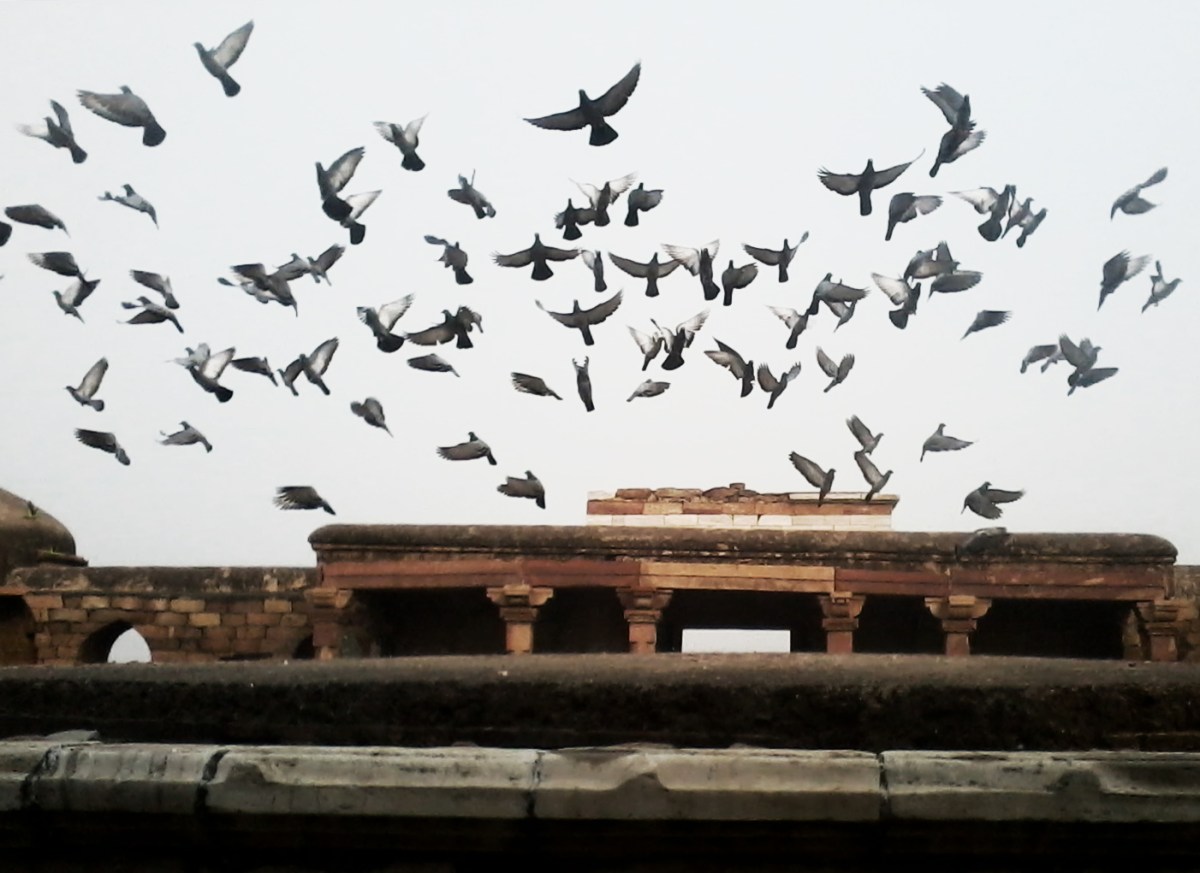
With the main purpose of our visit achieved, we had decided to have a little fun with the pigeons. I must say the pigeons were extremely cooperative, and willingly flew away the moment one of us went near them!

PS. Apologies for the poor quality of images…

Categories
Hobbies

Happy Harvesting!


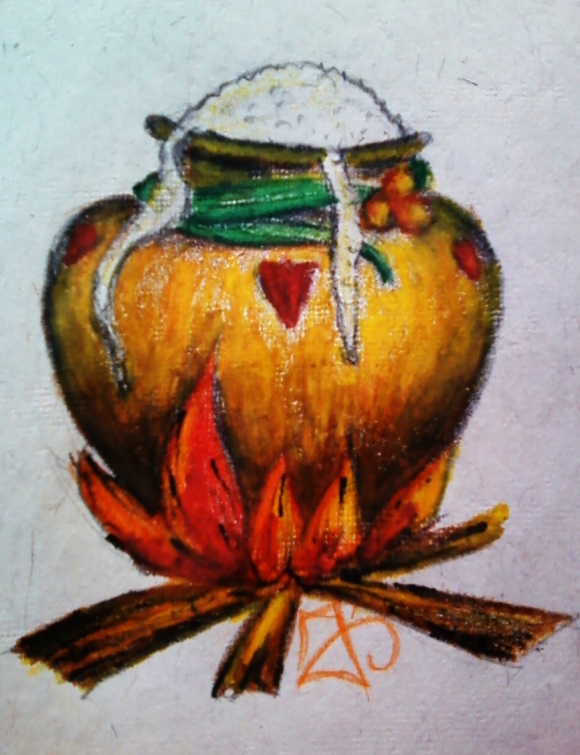
pongal
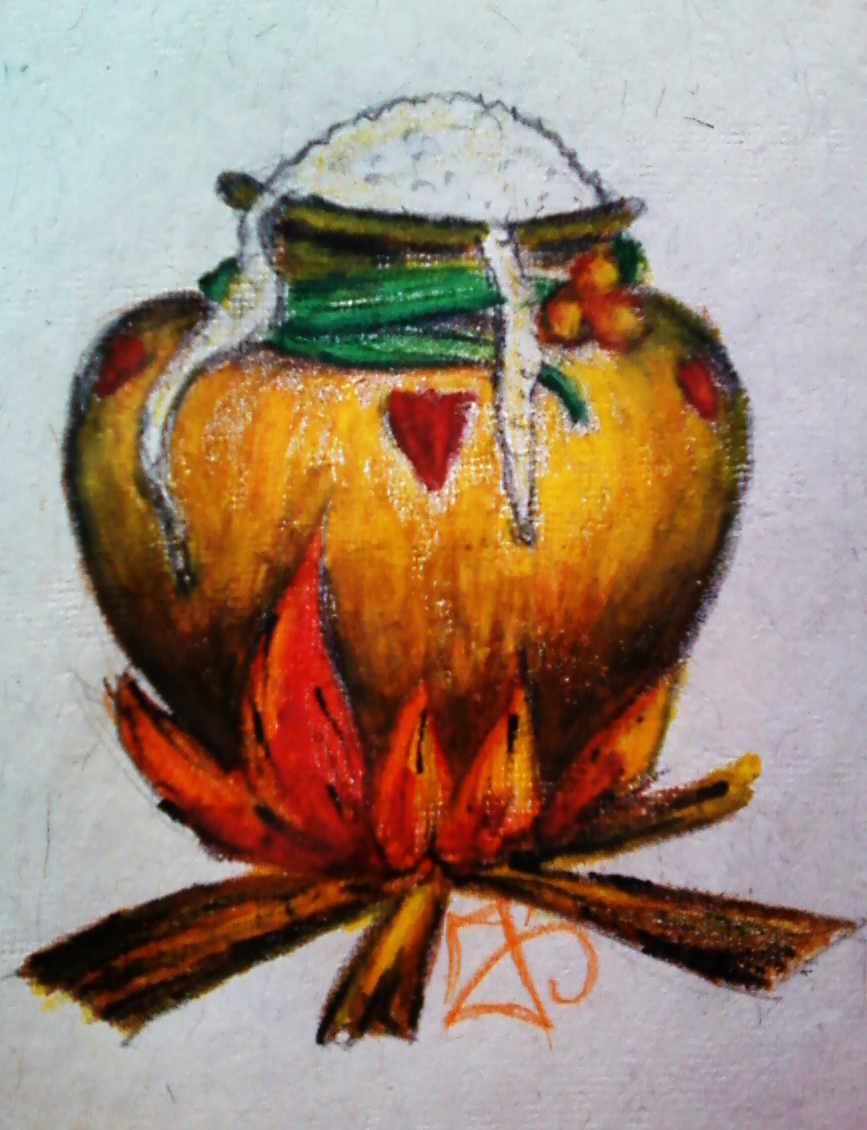
Pongal – o – pongal!
Categories
Stories

The Unsung Hero


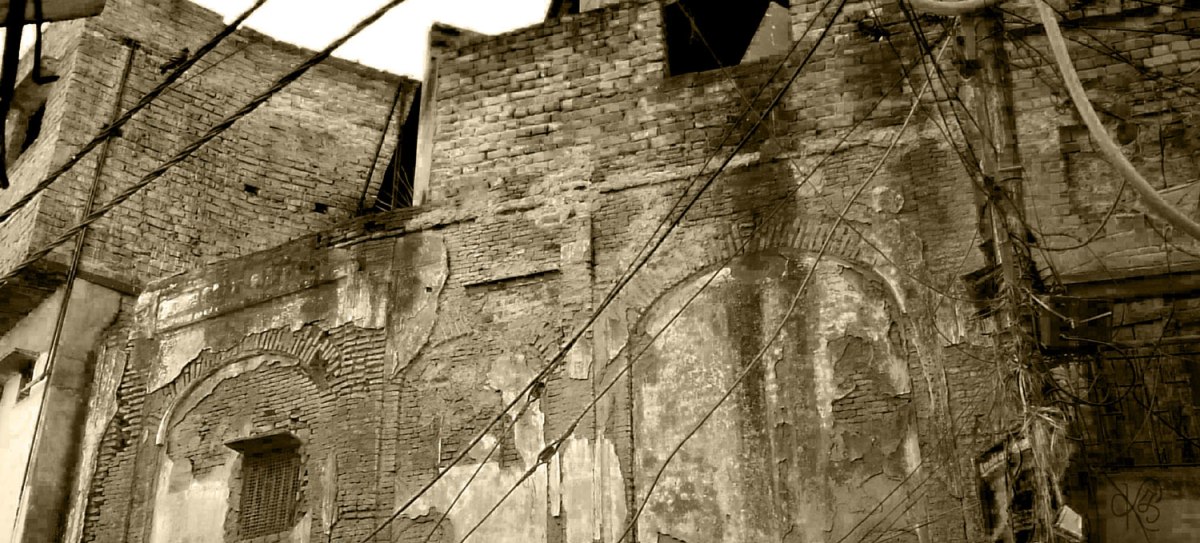
Crumbling Haveli
Crumbling Haveli

The city of Delhi is often referred to, as a burial ground – of emperors and nobles, princes and princesses, saints and warriors. After visiting a few tombs, one gets the feeling that all the tombs are alike. That might be true for most, but there are exceptions.

This past week, I tagged along with a group of heritage-hunters, and headed towards Chandini Chowk. A friendly local offered to guide us through the uneven paths, deep within the bazaar. We went down narrow and dark lanes, past crumbling havelis and butcher shops, and even hopped over a sleeping goat! We approached a sharp turn in the path, which revealed perhaps the smallest, and the saddest tomb in Delhi.

The only three women who were ever elected to the throne in the Mohammedan East, reigned in the thirteenth century.
– Lane-Poole

Raziya Sultan was the daughter of Iltutmish*, and the only woman to have ruled over Delhi. Her father had chosen Raziya as his successor to the throne. This was obviously not welcomed by her brother, as well as the majority of noblemen.

Iltutmish claimed that his daughter was better than many sons. And it did not take long for the citizens of the kingdom, to realise this. Raziya was appointed ruler by the common people.

Sultan Raziya was a great monarch. She was wise, just, and generous, a benefactor to her kingdom, a dispenser of justice, the protector of her subjects, and the leader of her armies. She was endowed with all the qualities befitting a king, but she was not born a man, and for that reason, in the estimation of men, all these virtues were worthless.
– Minhajas-Siraj

Raziya Sultan’s tenure as a ruler was a short one. A female monarch, appointed by common people did not go down well with the establishment. The fact that she showed her face in public, and was tolerant towards the Hindus, made her case weaker. She was assassinated after three years at the throne.

There is a conflict, regarding the actual site where she was buried. Claims include Chandini Chowk in Old Delhi, Siwan in Haryana, and Tonk in Rajasthan. The site at Chandini Chowk, was a jungle during the reign of Raziya Sultan, and there is no engraving to identify the souls resting there. A part of the mausoleum has been converted to a mosque.

Raziya was a person born well ahead of her time. Unfortunately, her story is overshadowed by others who came after her. A hero for all ages, may her soul rest in peace.

*  *  *

* Iltutmish (alternate spelling Altamish) Full name : Shams-ud-din Iltutmish

The third ruler in the Slave Dynasty. The first was Qutb-ud-din Aibak, and the second, Aram Shah. The Slave (Mamluk) Dynasty was the first of five unrelated dynasties to rule over Delhi, in what is referred to, as Delhi Sultanate.

Sources and suggested reading:

Razia Sultan Was Far Better Than Her Brothers – Sunday Guardian
Chapter 5 – Raziya, The Mohammedan Empress of India, History of India – Volume 5 – The Mohammedan Period as Described by its Own Historians – Edited by A. V. Williams Jackson (Selected from the works of late Sir Henry Miers Elliot)

The Daily Post asks readers to write about their heros. I have paid a tribute to Unniyarcha before. Raziya Sultan is my answer to The Daily Post’s prompt.

Categories
Stories

The Rare One


If the value of the three paisa coin has appreciated, then I am perhaps responsible for the fortunes of another girl 😀

Coin Album
Coin Album With An Index

I loved collecting coins as a kid. I’m not sure when and how it began. Perhaps it was the discovery of a small bag of coins at home, or a few foreign ones left behind by visiting relatives. At first, it was restricted to ten paisa coins and cents – we had an abundant supply of them.

As word spread of my interest in coins, friends and family members, who had been travelling abroad, generously donated currency. I was even given a coin album. It had clear plastic sheets with small pockets to store individual coins. I arranged my coins and added small notes about the country, year, and the symbol and slogans on the coins.

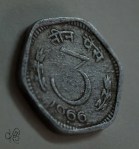
Three Paise
Three Paisa Coin

I had big plans! I thought the collection would grow very large. So using my foresight, I made an index of the countries and currencies to manage the treasure.

I even began keeping coins and notes, which were still in use – I was a ten-year old, and I was already investing in currency!

Close Up Of Page
Close Up Of Page

Even as different countries resided within my book, I discovered coins in my own home – one, two, and three paisa coins. I had only one one-paisa coin. But I was more delighted with the three paisa coins. Three was an unusual denomination for a coin, and I took pride in owning two of them!

I spent nothing, and yet owned a lot. My successful collection, soon got to my head. I boasted about the large variety of coins I possessed – far more than I should have. Once, I even took some coins to school, as proof. And that’s when it happened.

A classmate of mine was very impressed with my coins. She asked, in the nicest possible way, ‘Can I take one of these?’

And like a fool, I gave it to her. To this day, I regret that action. I could have traded it for something else – but no! I had to act magnanimous. That’s what happens when you allow ten-year olds to handle so much money!

One Paisa
Holy Coin! One Paisa

A few years later, deep within the depths of my eldest aunt’s huge cupboard, I uncovered a gem – the 1 pice coin. It was older than the Indian democracy, and it had a hole in it! Nothing could have been better than that.

I’m sure there are lots of people who collect coins – and would buy old coins like the one with the hole. In old Delhi, I found coin sellers selling such antique coins on the pavement. The realisation, that the coins I had, were all gifted to me, made me feel great. But my coin collecting days were numbered.

The European Union was formed, and I grew up. The album was relegated to the cupboard, and my collection, nothing more than a lost memory.

A chance discovery of some coins in a piggy bank made me pull out my album, and I found that my foresight was rather too great. I had one, two, and five rupee coins and notes stashed up inside – which I could still use today! Time to add the ten rupee coins I suppose 😀

*  *  *

I had posted some photographs of coins a few weeks back. One of my favourite bloggers, pointed out the scarcity of the three paisa coin… This story was supposed to be a part of that post, but now, is also in response to that comment, and today’s prompt on The Daily Post!

Categories
Hobbies

Happy Deepavali!


Diya Painting
Happy Deepavali!

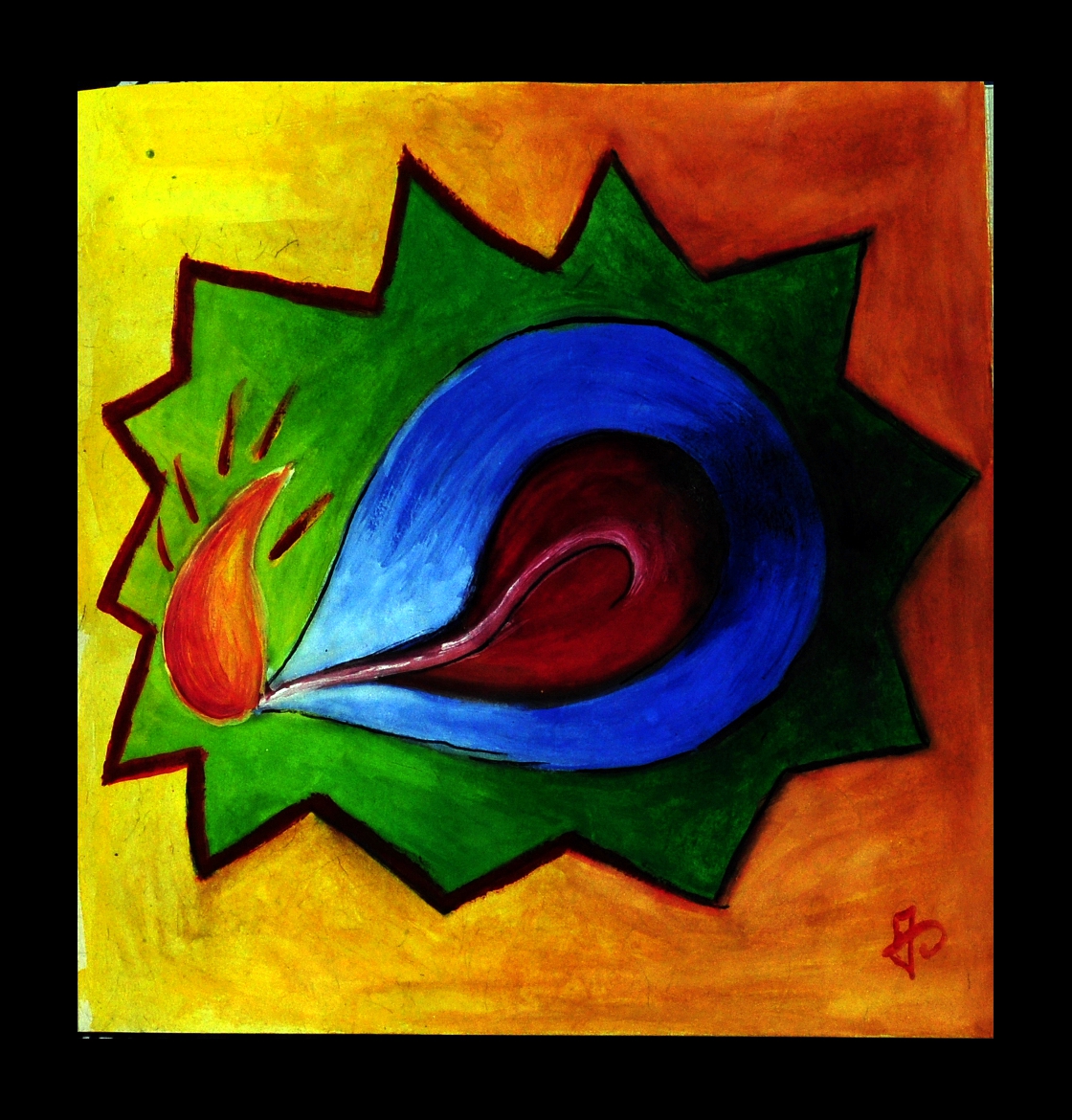
Today, on the festive occasion of Diwali, I painted this little Diya…

Here’s hoping every home has a lamp, and a bright future.
Wishing everyone a very happy, cracker-free and safe Diwali!

Categories
Miscellaneous

Dastkar – A Craft Lover’s Paradise!


If you’re in, or around Delhi, or are likely to be there any time soon, stop reading this post, and go see it for yourself! Dastkar, the nature bazaar, is on till the 9th of November 2012.
The colours, textures, sights, sounds, and smells… there is something for all the senses.

I visited the bazaar this past weekend, and it was an absolute delight. I saw first-hand, the art forms I had hitherto only read about, and learnt the existence of many more. This mammoth gallery, is only a small part of the whole experience.

Hope you enjoy!

Categories
Hobbies Stories

A Colourful Challenge


It took me several mini sessions throughout the week, and one extended session today, to complete this challenge… a long overdue homework!

When I was in school, a teacher introduced us to Madhubani, as well as Warli styles of painting. She showed us samples of both styles, and asked us to create something in one of these styles.

I loved the Warli style of drawings – mainly because they were very simple to make. The simplicity of the drawings however, did not take away the charm of the designs. I had made several bookmarks – all of which, I gifted away.

I found the Madhubani style of painting rather complicated – it was full of intricacies, and one that would require a lot of patience, as well as colour sense – neither of which I possessed at that time.

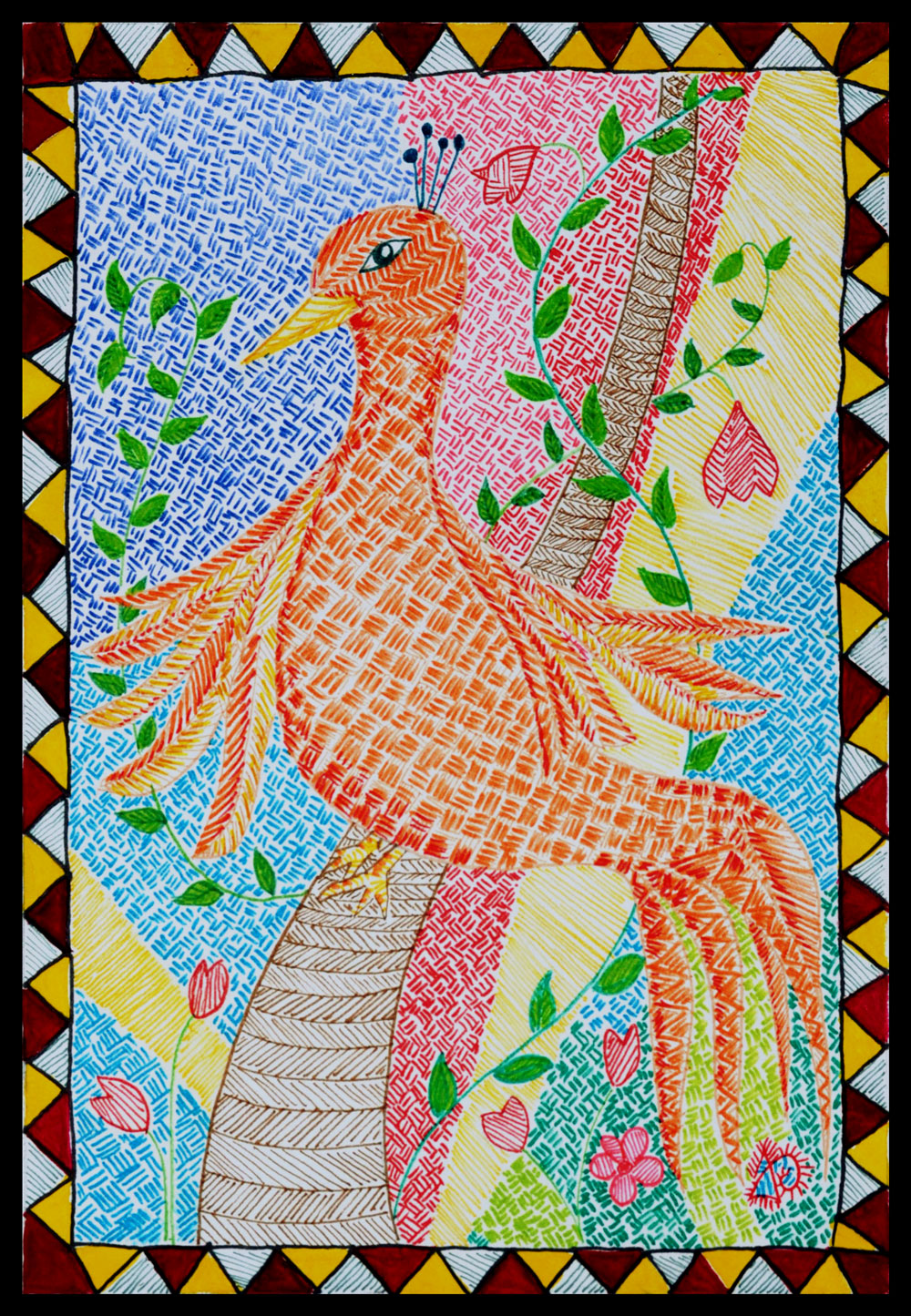
This week, I decided to try my hand at this very old homework of mine. I tried to draw a bird, and filled it in with lines, in Madhubani style of painting. I hope the next attempt would be better…

Bird
Bird – Attempted Madhubani Style

Wikipedia knoweth all:
Warli Painting
Madhubani Art

Weekly Writing Challenge : A Splash Of Colour

Categories
Stories

Guest Post : Jal Satyagrah


As the world reflects on the ‘Occupy Wall Street’ protests, residents of a small village in India protest against the government for their basic human rights…

The government of Madhya Pradesh decided to raise the water level of the Omkareshwar dam, without providing rehabilitation for the residents of the villages, which would be submerged. Residents of the submerged villages protested – by standing their ground.

From the perspective of a volunteer who saw the struggle first-hand, penned by my good friend, Sneha Chandna:

Kanshi Lal Bhai* sat in water for 17 days along with 50 other people in Ghoghalgaon, to protest against the illegal raising of the water level in Omkareshwar dam. Ghoghalgaon is one of the 30 villages that will submerge, when the Omkareshwar dam reservoir is filled up to its full capacity.

That Kanshi Lal Bhai is beyond 55 years of age, and is completely blind, complicates the situation a bit, but doesn’t stop him from supporting other protesters.

The Government made an official announcement to raise the water level in Omkareshwar dam (from 189 to 193 metres), in the month of May, and started raising the water level in August, 2012. This was an open and blatant violation of the Supreme Court and High Court order, that says that the government can submerge a region only after 6 months of the Resettlement and Rehabilitation of its people.

It seems the distance between a blind, displaced, illiterate, yet determined Kanshi Lal ji, and the machinery for the Delivery of Justice, (which includes the National Hydroelectric Development Corporation, Madhya Pradesh Government, High Court of MP and the Supreme Court), is more than the distance between the Earth and the Sun. It is this distance that makes the victory of the protesters at Omkareshwar Dam, all the more special.

Being a participant in the whole process, one is deeply humbled. In fact, as the protest progressed before my eyes, with each passing day I found it difficult to believe that a small set of people with their truly limited resources could manage to keep the state machinery on its toes and the print and electronic media on their side. As I expressed my disbelief to a senior NBA activist Sh. Ramesh Billorey, he said that in spite of the differences between the resources and power, it’s the truth that helps one sail through, “Satya Hamesha Jhoot par Bhaari Padta hai”.

During the time of the protest, Print and Electronic media played a very crucial role in highlighting the issue all over the country and put pressure on all decision-making institutions to agree to people’s demands. Media persons had, in fact, become a part of the support system for the movement. Also, as the protest ended, realization dawned that the movement had made history, by awakening the conscience of a nation, that is otherwise too busy to notice anything that the tribal or rural folks have to say. Also, it led to similar protests in other parts of the country, where development-led displacement has happened, or is about to happen, such as the issue of Koodankulam nuclear plant.

The victory of those displaced by the Omkareshwar dam, was followed by strong police action in the Harda District of Indira Sagar Dam, where the MP government refused to agree to people’s demands, and removed them forcefully from the Satyagraha site. A lot of media persons asked NBA activists why would the government agree to demands in the case of one dam, and not agree to similar demands by those affected by another dam?

Had the government agreed to the demands of those affected by the Indira Sagar dam, they would have had to allot more than double the amount of land they will now allot to those displaced by Omkareshwar dam.

As a lay person, often times I’ve been forced to wonder, what if someday some of my own rights are violated. It will take so much of time, money and effort to figure out a way to access the legal machinery, that it might as well become the single-most important pursuit of my life.

If it could be this way for an educated young person of the country, imagine what the situation would be for the tribal communities of a village, which has not known any vocation other than farming, which grows most of what it consumes, or which has little money, if at all. All the arguments of the government seem skewed in the scheme of things.

Some 30 villages will submerge because of the Omkareshwar dam, and 268 villages will submerge due to the Indira Sagar Dam. These dams will produce electricity.

Interestingly a short stay in one of the villages that will submerge, will make one notice that electricity in these very villages is available only for 8-10 hours. Yes, it’s true that Foreign Direct Investment might attract investors, but let’s first try to impress them with roads and electricity in every village of the country.

* * *

* Name changed

About the writer: Sneha has just returned from Khandwa, Madhya Pradesh, where she was actively involved with the Jal Satyagrah. She is currently working with ‘Koshish’.

Narmada Bachao Andolan was established in 1989 by Ms Medha Patkar, protesting against construction of dams across the River Narmada. While Ms Patkar works more at the national level now, the Jal Satyagrah was coordinated in Khandwa, by Alok and Silvy. Silvy sat in the water for 17 days, and that is how people sat along with her, and Alok coordinated fully with the media.

For more information on the Narmade Bachao Andolan, and the Jal Satyagrah, please visit their blog, right here on wordpress : Tales Of Narmada