Categories
Stories

Indian Ink


Growing up in a newly liberalised India, I watched a lot of American sitcoms. Most shows were reruns of old seasons. The exception being the last season of Friends which aired only a day after the US release. It was through these shows that I learned to associate tattoos with a certain persona. And that persona was not remotely Indian or tribal.

It was only after I left the bubble of the community in which I grew up, that I learnt how tattoos were commonplace in rural areas of the country—especially family names and religious symbols like ॐ (aum). But it wasn’t as glamorous as the tattoos I saw on foreigners.

A few years ago, I learned about the Māori practice of Tā moko through a wonderful (and particularly rage-inducing) podcast titled Stuff the British Stole. Tā moko tattoos looked beautiful. That they held deep meaning and weren’t just superficial marks to look cool, made them even more majestic. No wonder the tattoo artist was considered sacred.

It’s funny how I was more aware of tattoo practices outside India than our own. Fortunately, that changed recently, during the India Art, Architecture and Design Biennale 2023.

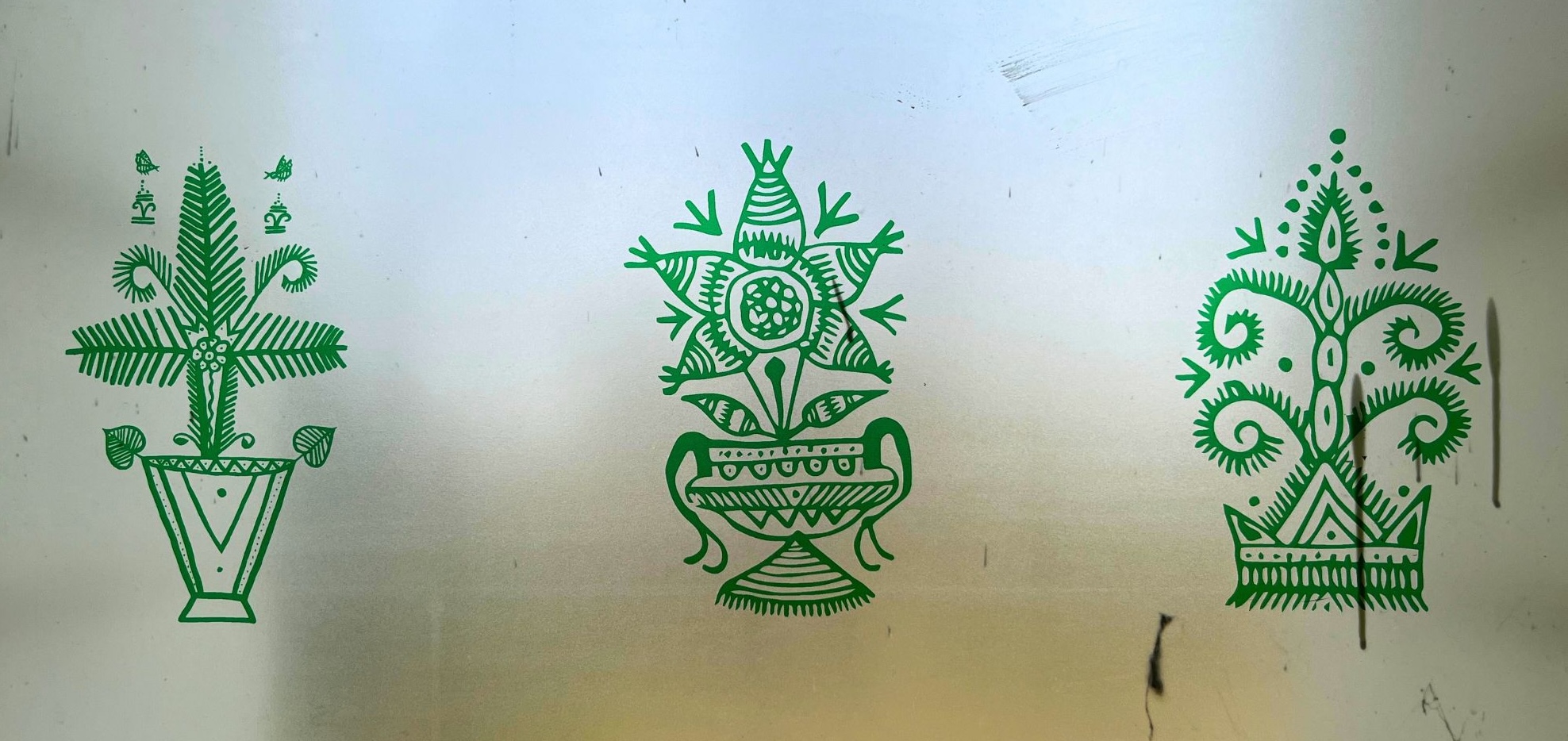
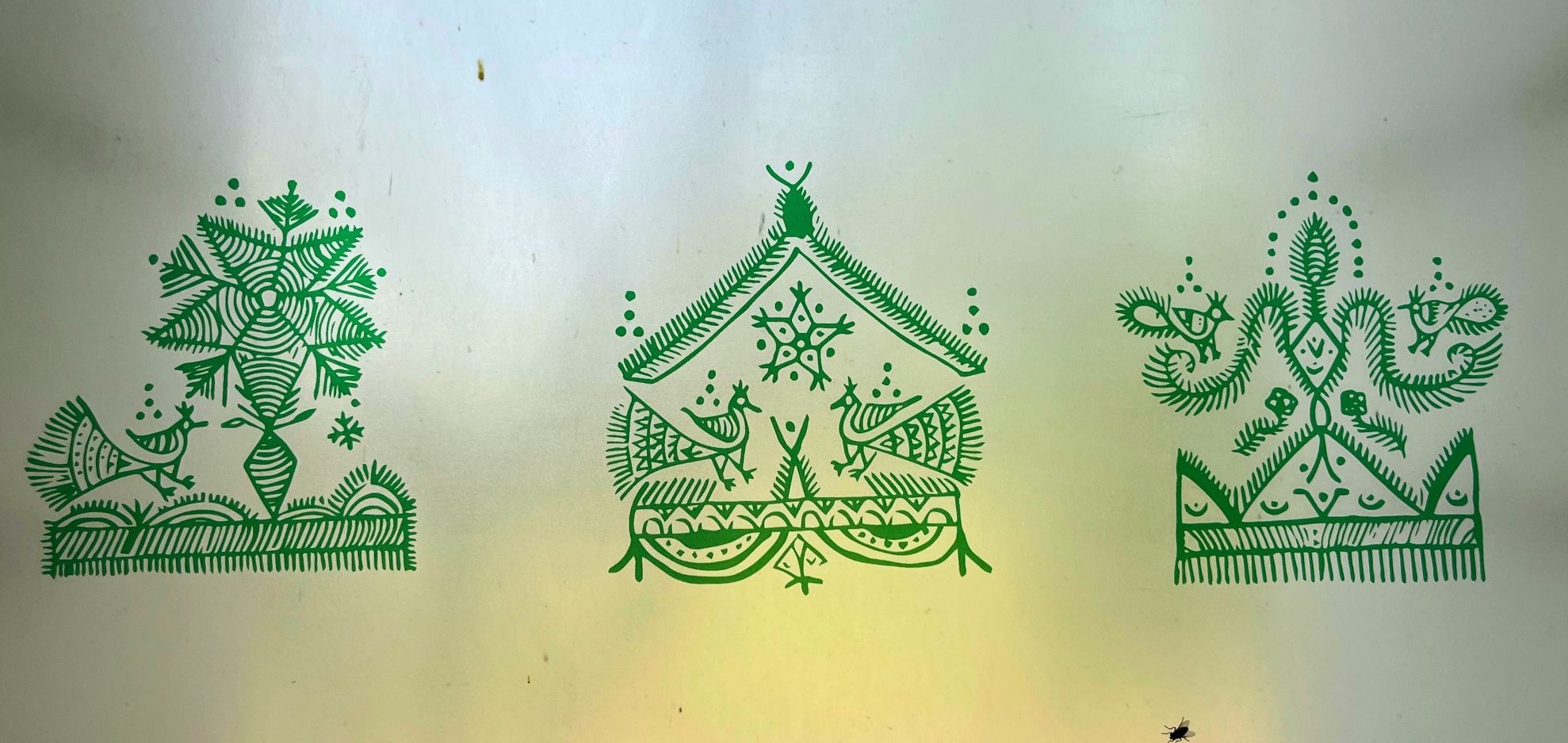
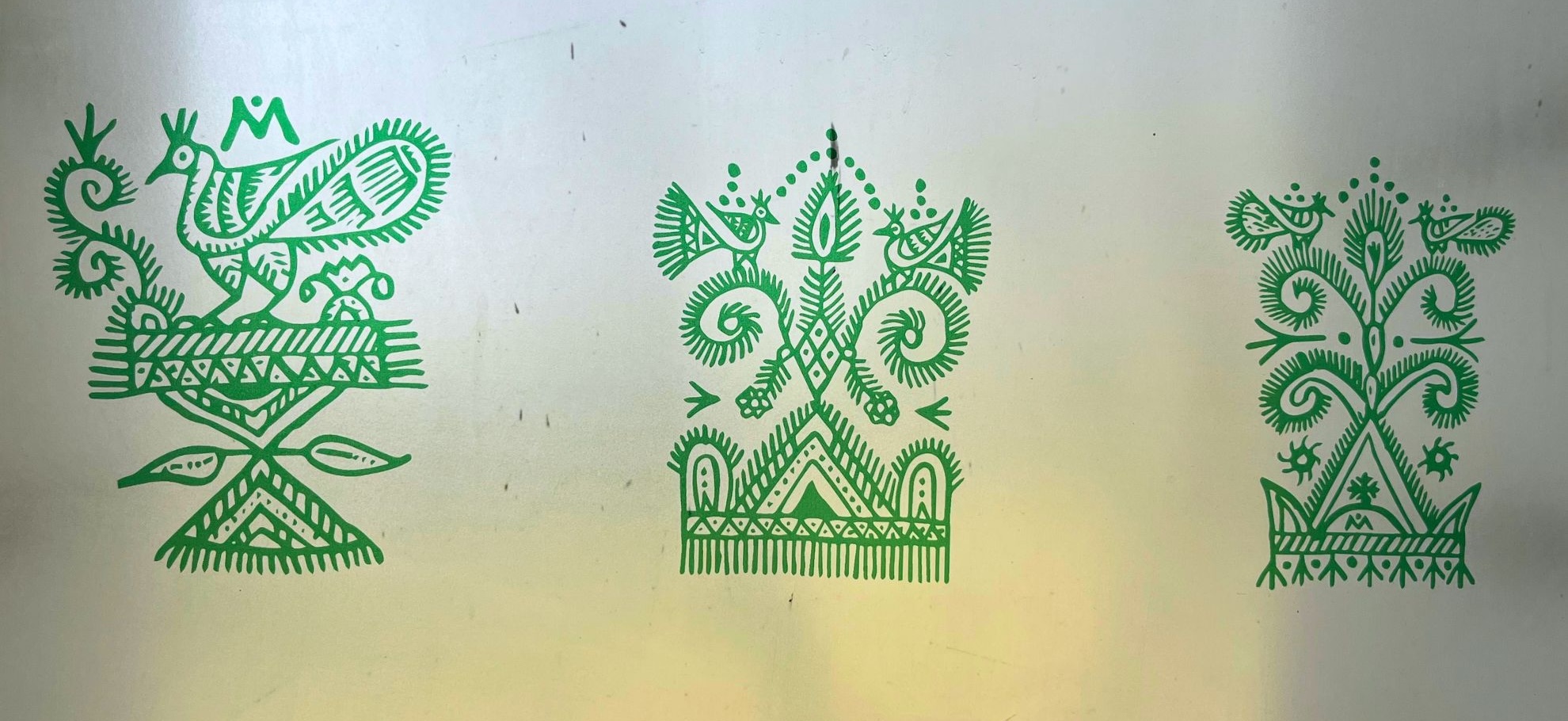
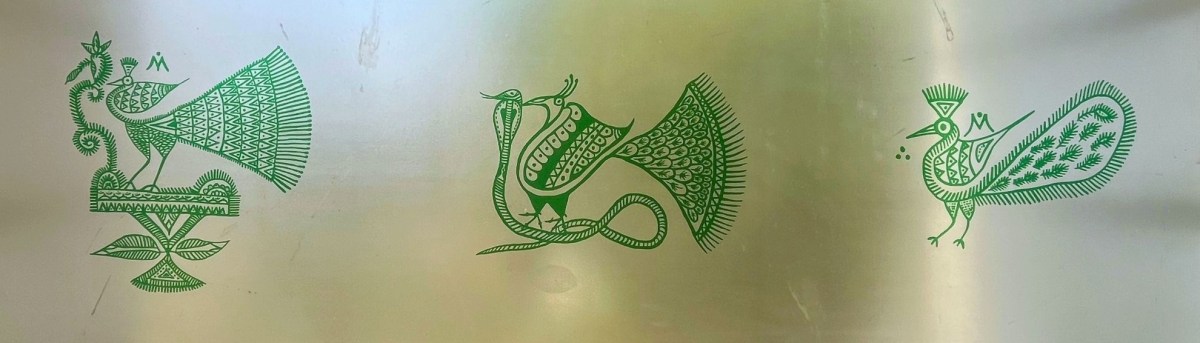
Much like the Polynesian countries where tattooing different parts of the body holds meaning, tribes in central India too ink themselves with meaningful patterns and motifs.

Godna: Digging into Tradition

Godna is popular in tribal societies, particularly in the areas of Rajanandgaon and Surguja, Chattisgarh, Dindori, Madhya Pradesh and Madhubani in the Mithila region of Bihar.

My investigation into Godna led me to this short film by Shivam Vichare that shows the materials and motifs popularly used in the Baiga tribe in Dindori.

Using kajal (soot collected by burning herbal oil) and needles, ladies mark their bodies at various stages of life. Girls from the community must have their foreheads tattooed as preteens to be accepted into the tribe. Tattoos on the chest are made post marriage and childbirth.

Mangala Devi explains the meaning of some of the motifs—a form of prayer for the individual and family’s wellbeing. One pattern for the chest represents the beehive. Just as the beehive is dripping with honey, so may the home be full of nectar. Diyas on the knees signify light in their lives. And the bull’s eye is for the wellbeing of the cattle, so that they may plough the fields.
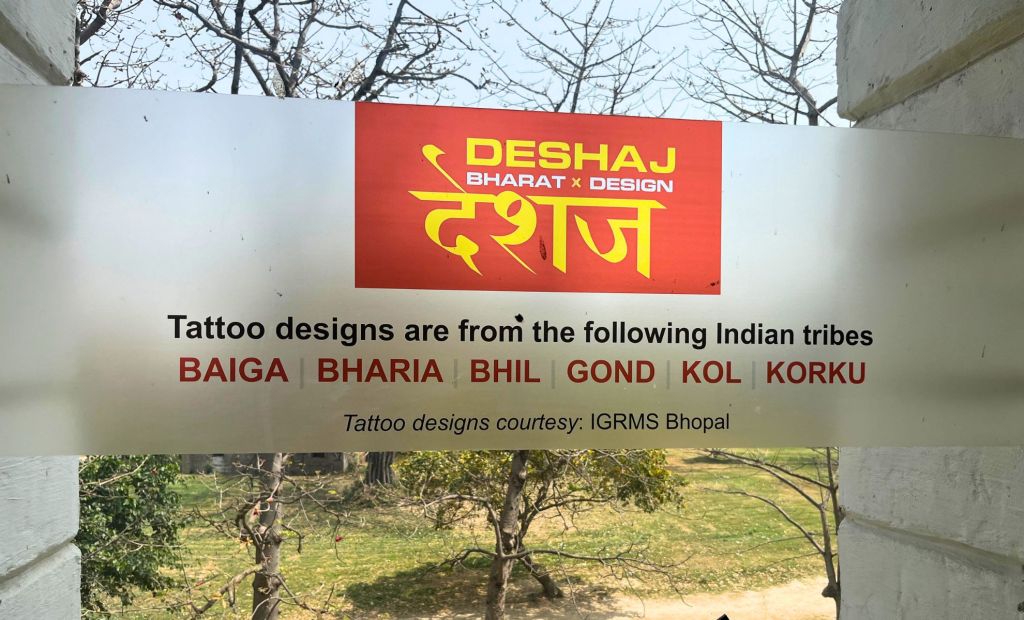
Like the Baiga Tribe, the Bharia, Bhil, Gond, Kol and Korku tribes hail from central India—home to some of the world’s oldest prehistoric cave paintings.

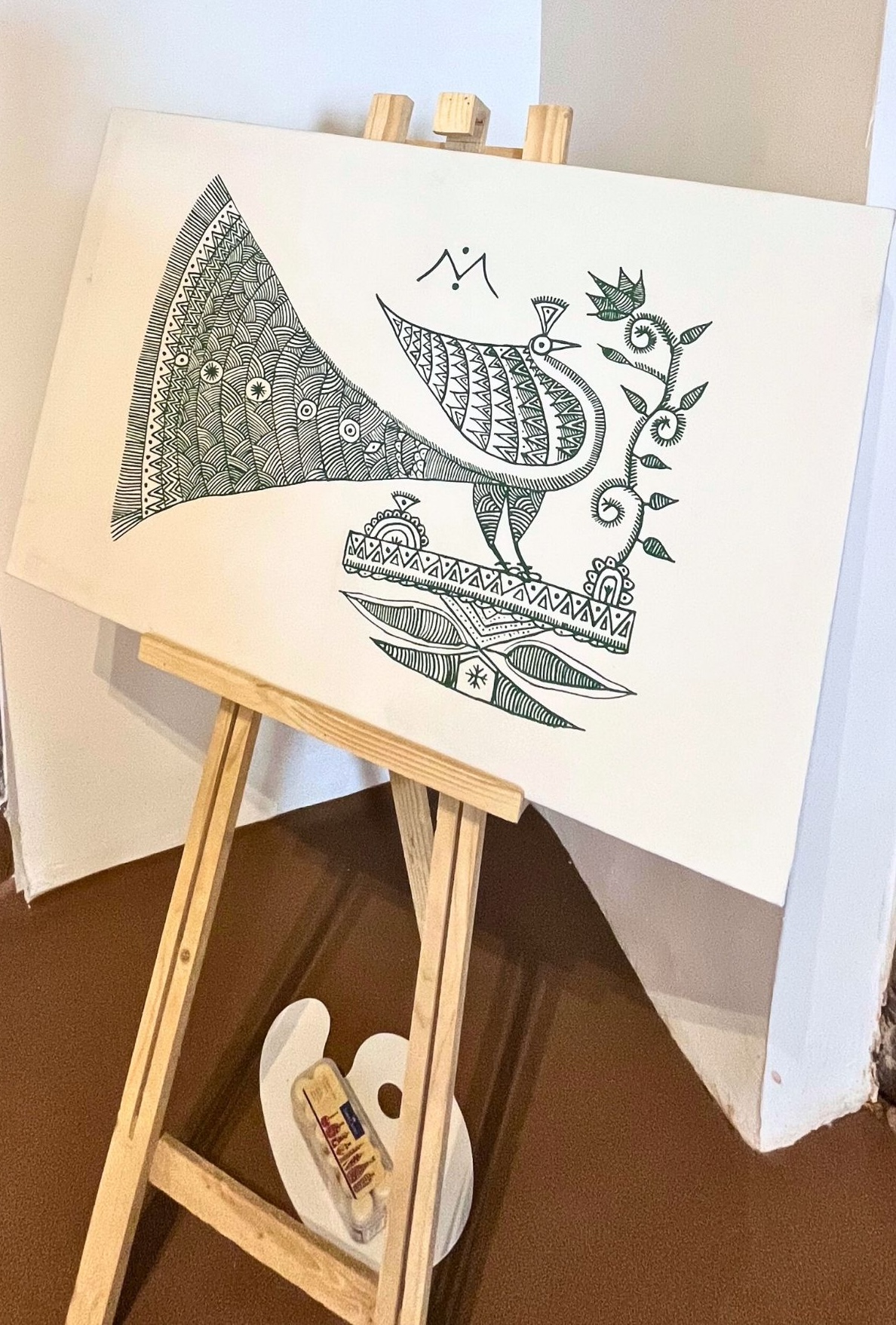
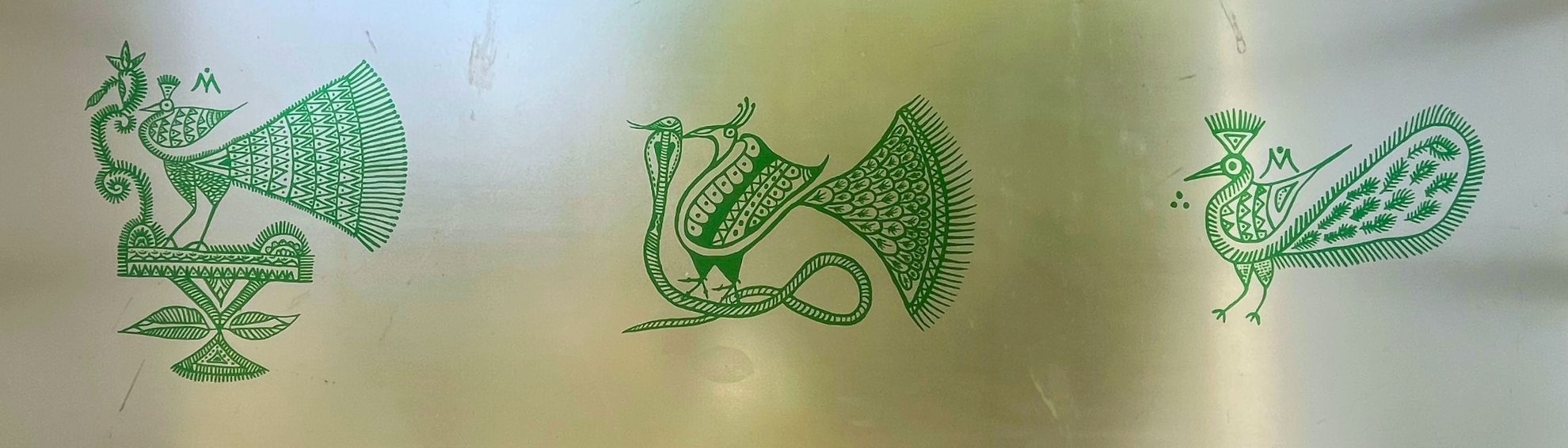
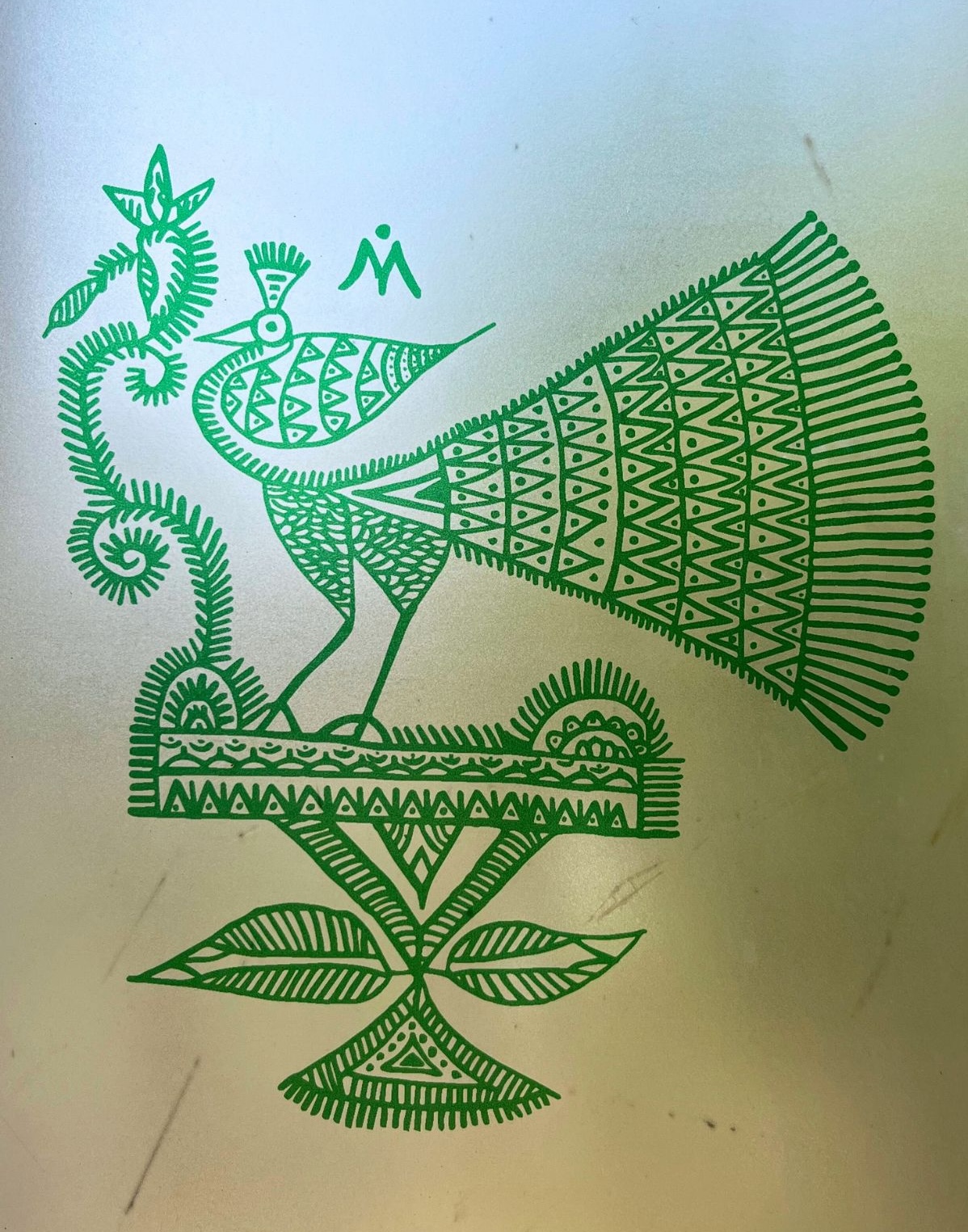
Many of the motifs used in Godna and other folk art are elements from nature. Expressed in simple line art, these symbols were created by the earliest graphic designers.

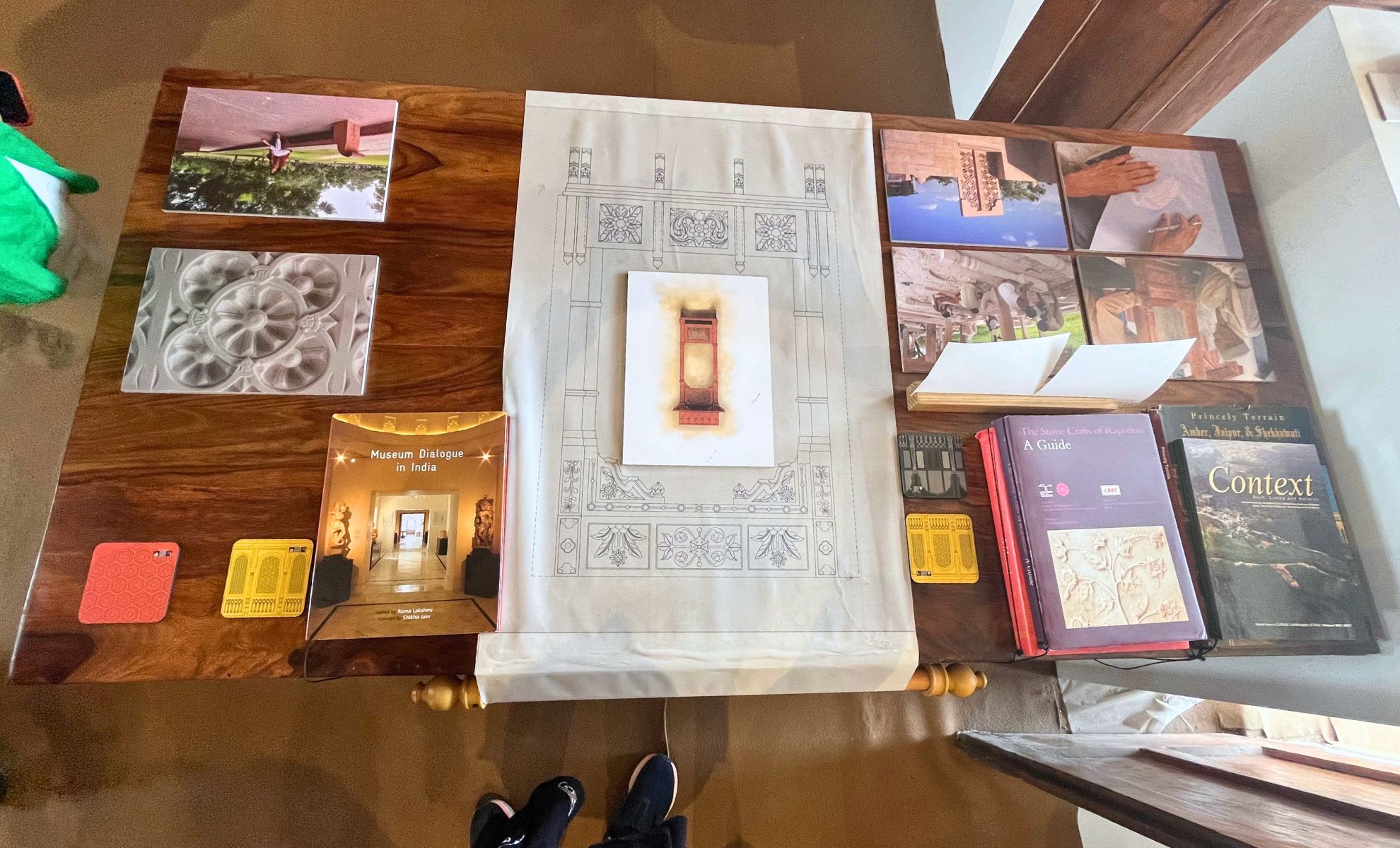
On display at the Biennale were some patterns from the collection of Indira Gandhi Rashtriya Manav Sangrahalaya (also referred to as the National Museum of Humankind, or Museum of Man and Culture) in Bhopal.

I don’t fancy myself ever having the courage to get permanently inked, but these patterns are beautiful and definitely worth ogling over. Enjoy!
Categories
Stories

Studio Perfect


Packaging cartons collapsed into sheets line the lofts in our apartment—set aside for that dreaded day when we’ll eventually have to move out. Little nooks and corners stare at me. Some of the empty spaces immediately scream at us, “Look at how much space is wasted!”

Living in a rented apartment, we have little control over what modifications we can make. Certainly, with the way rents are rising, we wouldn’t spend our money revamping someone else’s home! But that doesn’t stop us from dreaming.

We snap pictures of ideas we like and save Instagram posts related to sustainable home improvement. Whether we’ll ever use them is anybody’s guess!

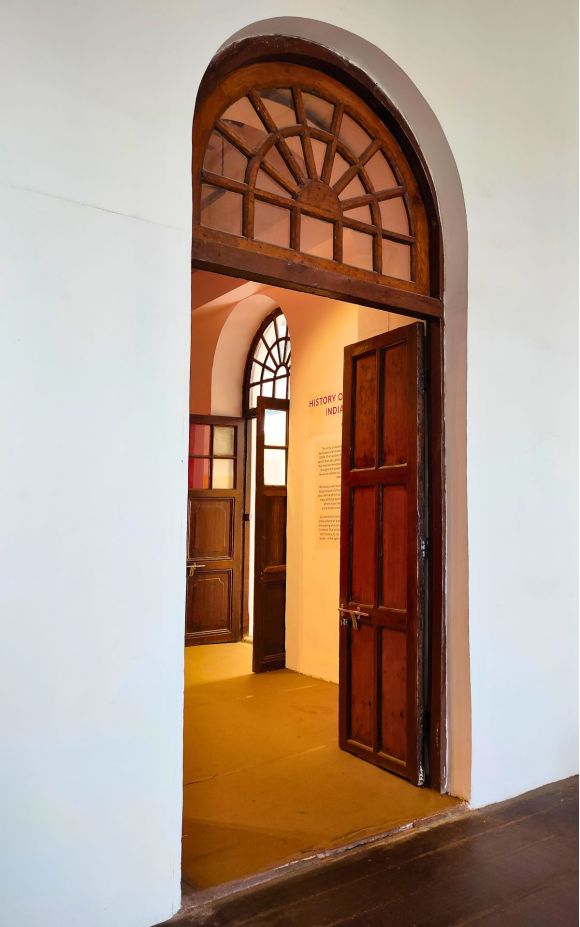
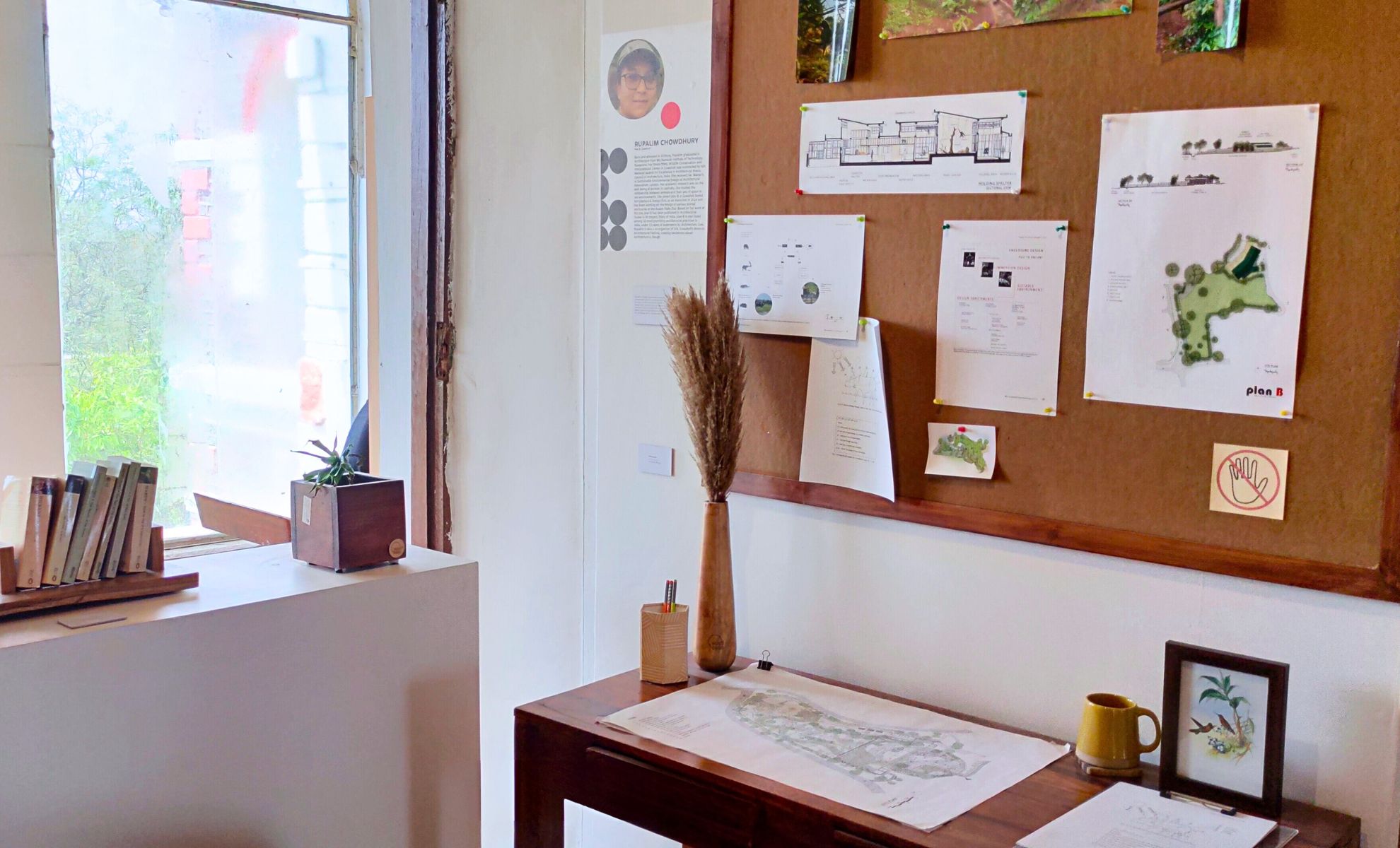
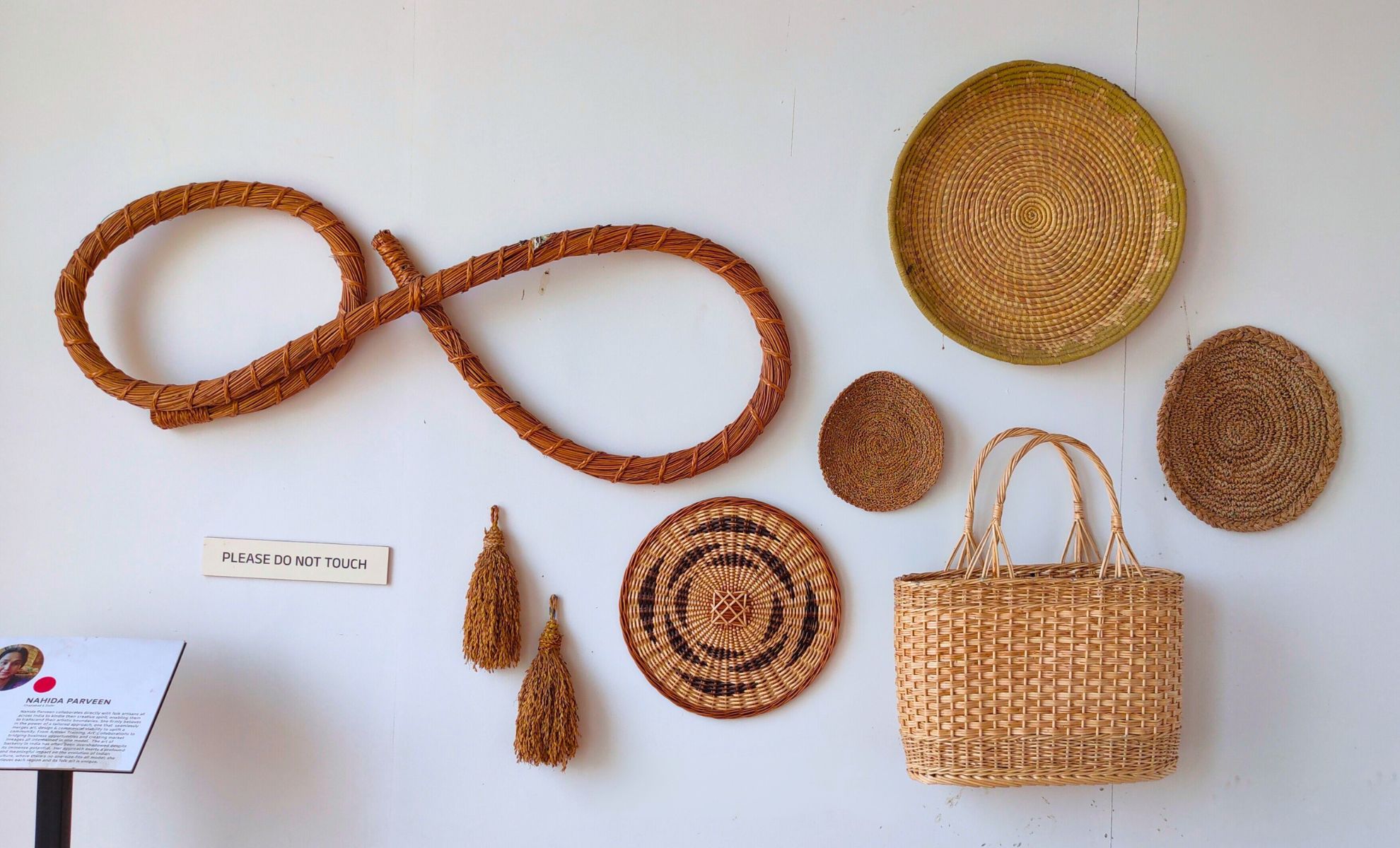
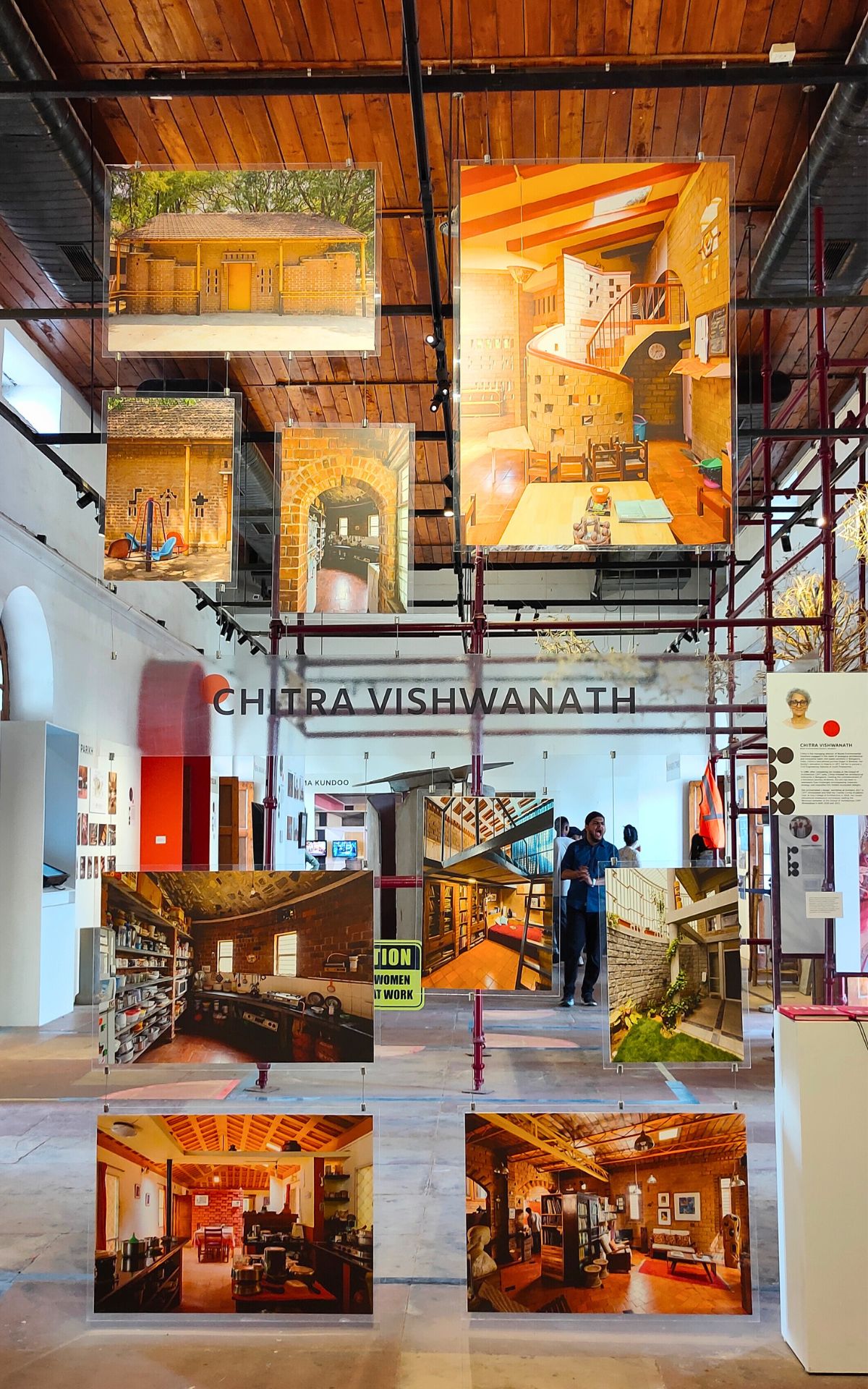
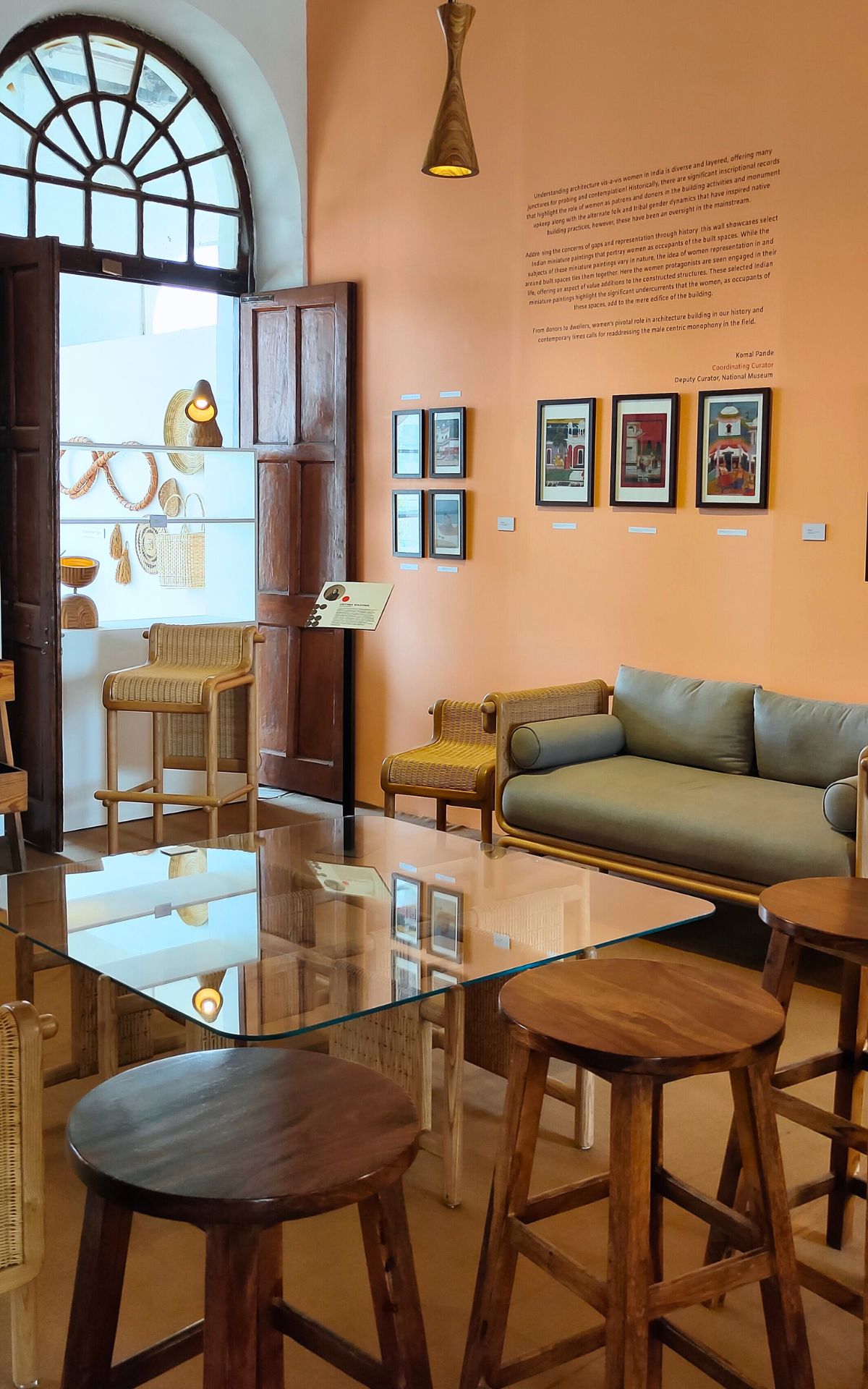
The Samatva pavilion at the India Art Architecture and Design Biennale 2023 was one such inspirational visual feast. On the outside, the pavilion was a stony medieval building. The entrances to the rooms within seemed to have been renovated in colonial-style arched doorways. But the exhibits within had a warm, welcoming feel.

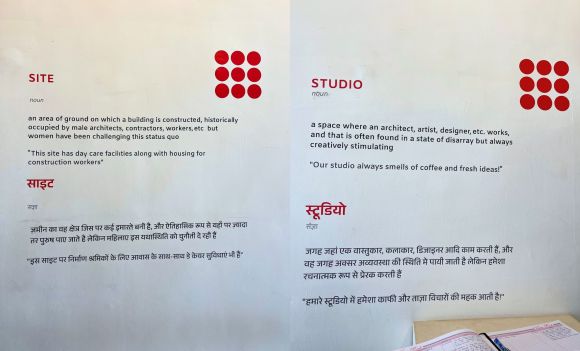
Of the entire exhibition, spanning 7 pavilions, Samatva was the one that was the most intentionally designed, explaining to the layperson what the terms mean.

Site: an area of ground on which a building is constructed, historically occupied by male architects, contractors, workers, etc. but women have neem challenging this status quo.

“This side has day care facilities along with housing for construction workers.”

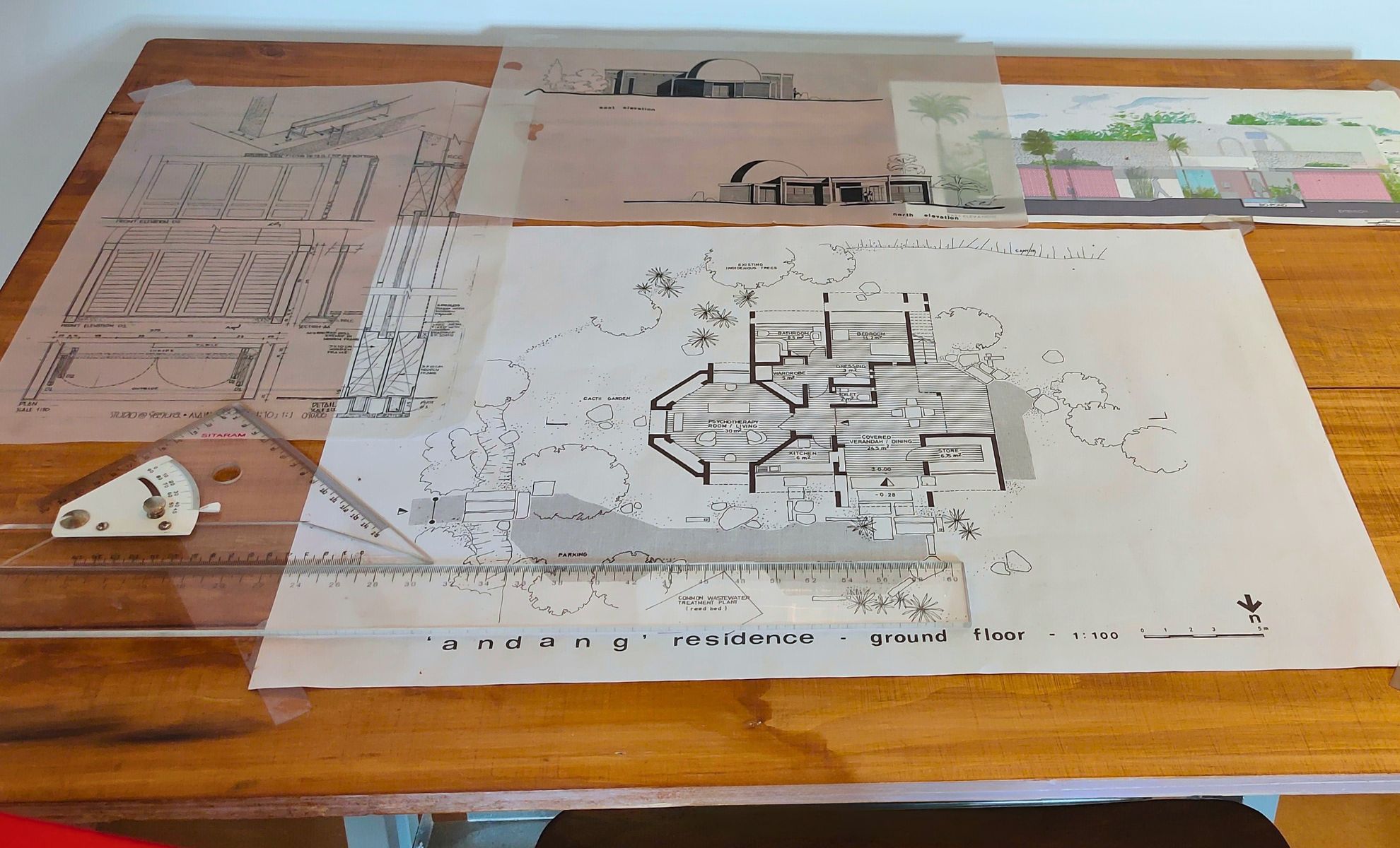
Studio: a space where an architect, artist, designer, etc. works, and that is often found in a state of disarray but always creatively stimulating.

“Our studio always smells of coffee and fresh ideas!”

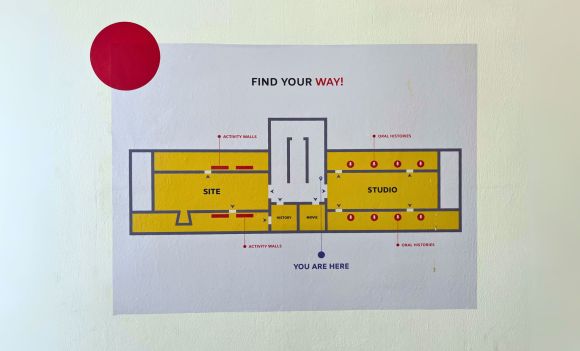
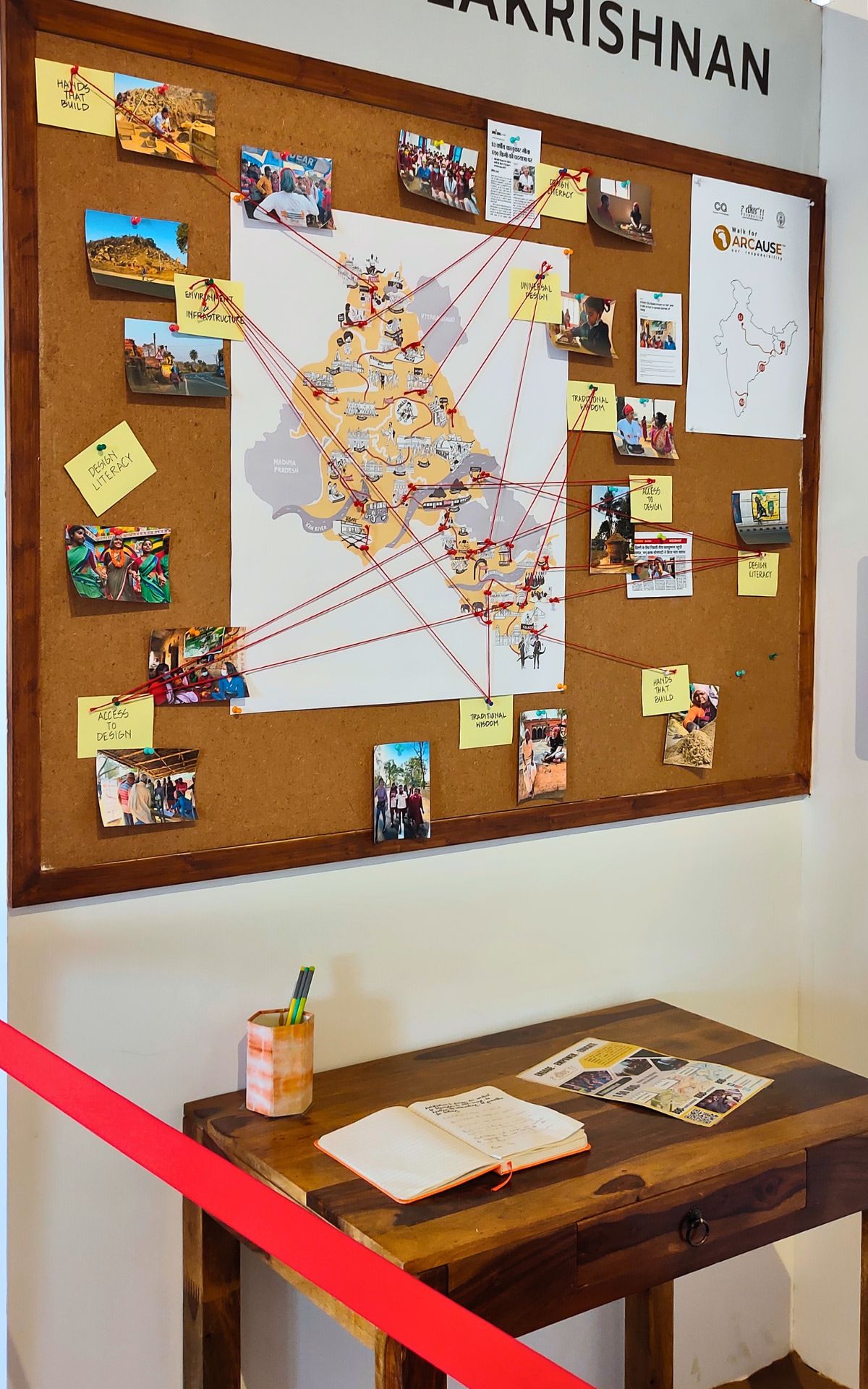
And yes, of course, there was a map!

Binding all the exhibits was a common design element—the red dot.

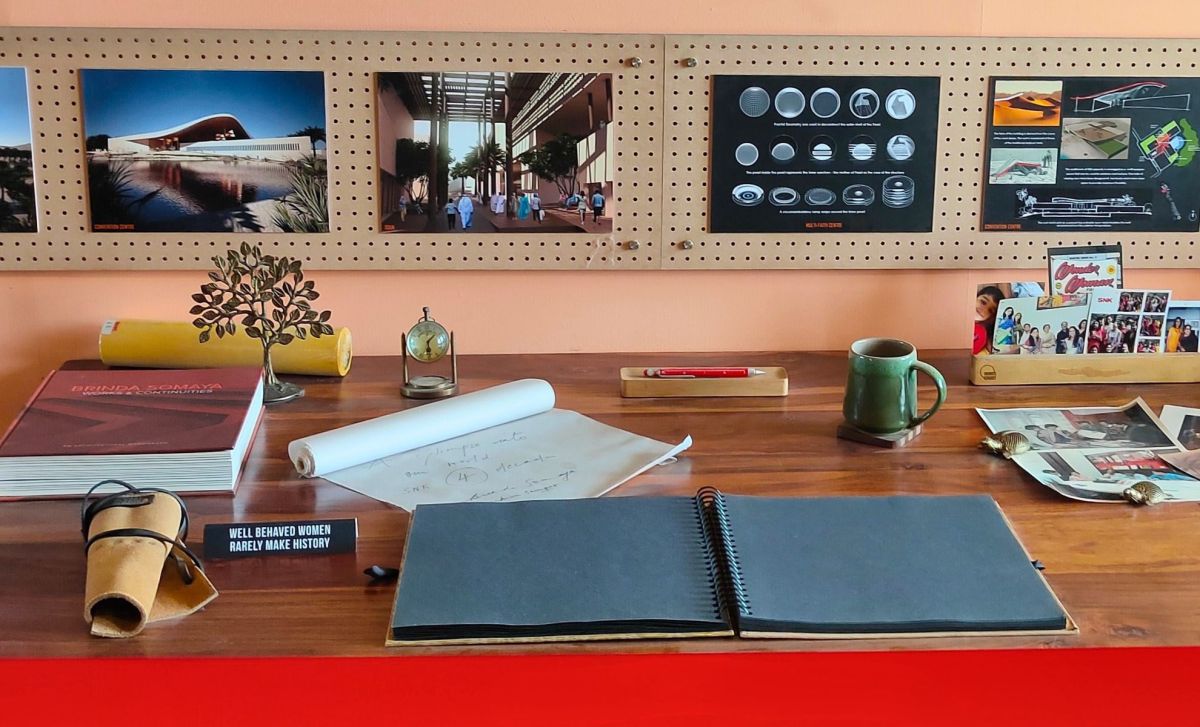
We saw aesthetically set up studio spaces with glimpses of architectural work-in-progress. Intentionally messy, but true to their word, stimulating.

Below are some pictures we saved for later.

Hopefully, one day we’ll have a space we can call our own—when we can finally free up some loft space and get rid of those packaging cartons. A time when we can drill nails into the walls and put up all our artwork (and the two guitars we now have).

Will we find these pictures when we need them? Only time will tell!

Categories
Stories

The Drum House


If you’ve seen Hindi movies or plays set in the Mughal era, then you’ve heard that familiar refrain, “Azeem o Shaan Shehenshah…” An announcer describing the arrival of royalty.

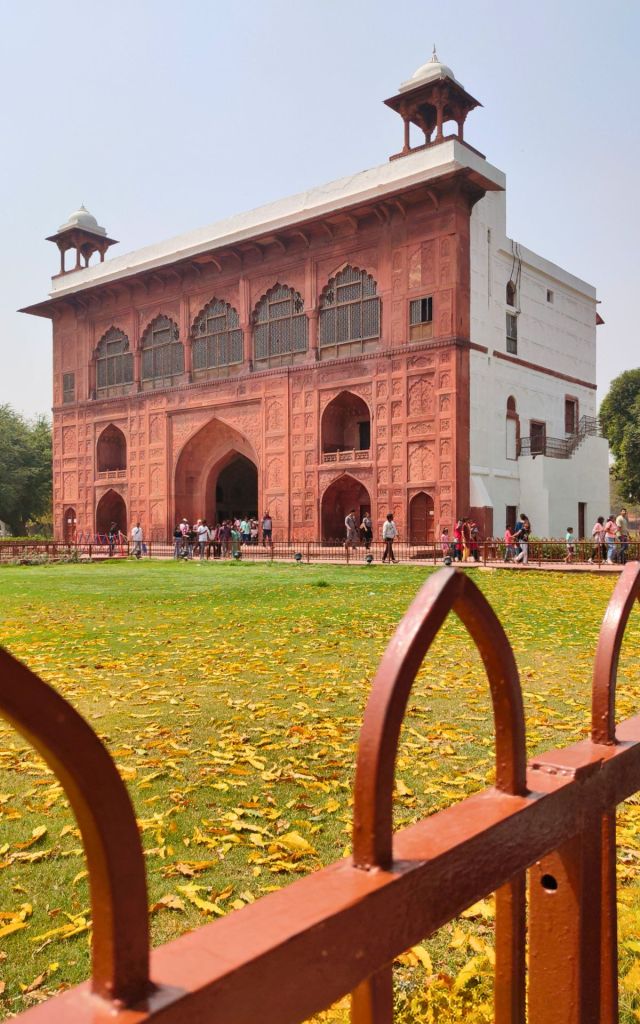
At the Red Fort in Shahjahanabad (Old Delhi), musicians would make announcements from the Naubat Khana, or Naqqar Khana (Drum House), letting the public know that the Emperor or a royal dignitary had arrived.

Announcements were a tiny part of the musicians’ job description. The Mughals were great patrons of art, and musicians would perform five times a day at chosen hours.

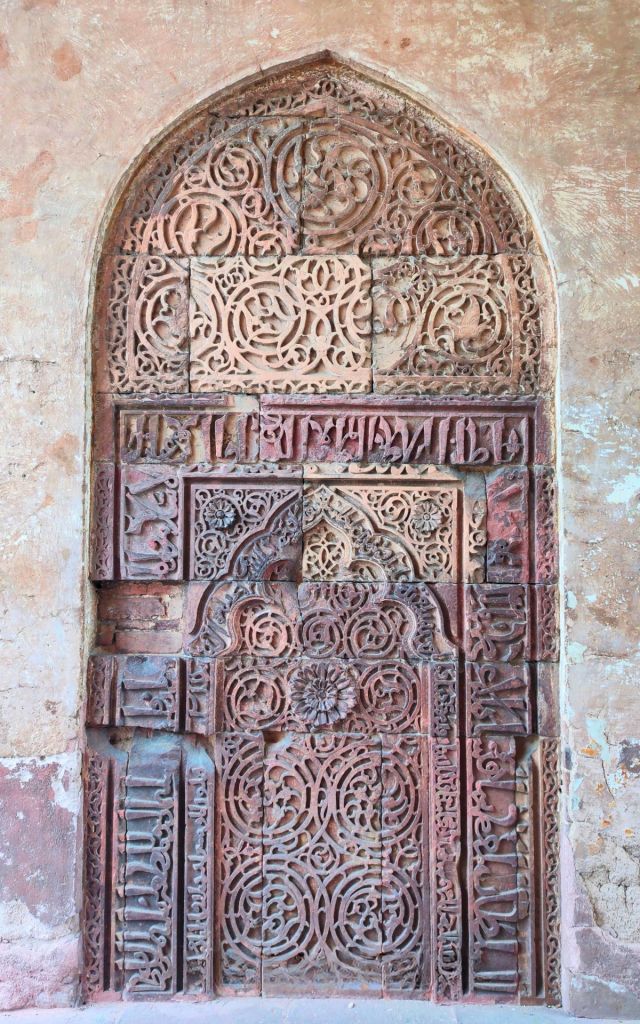
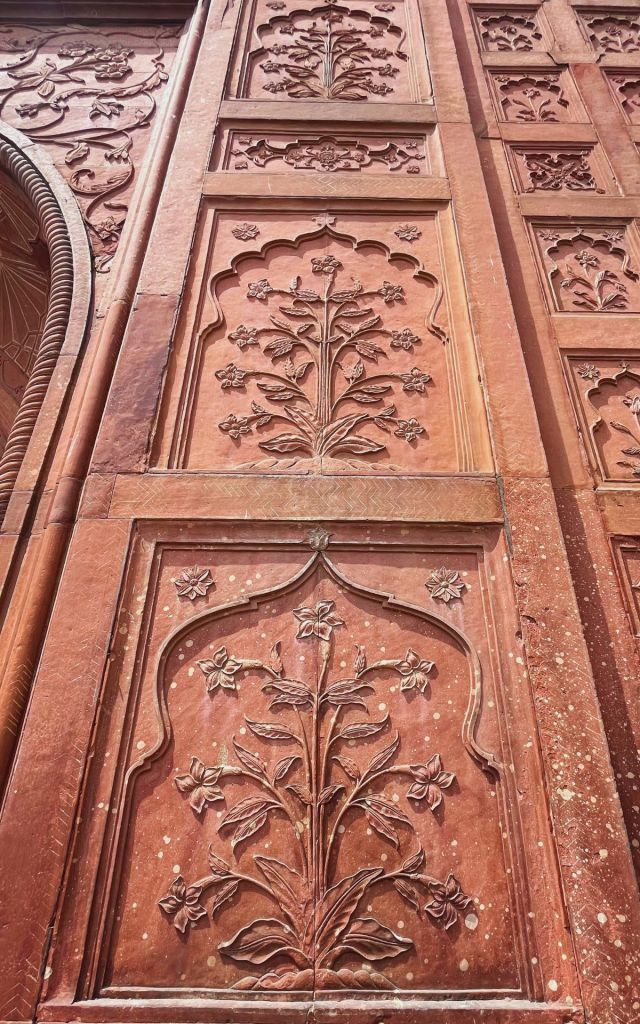
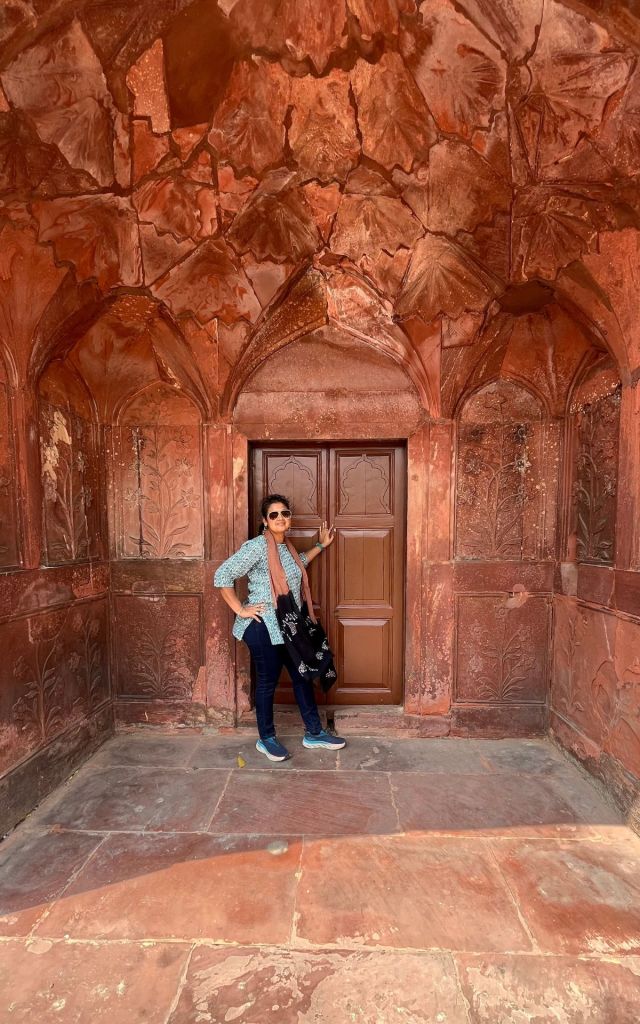
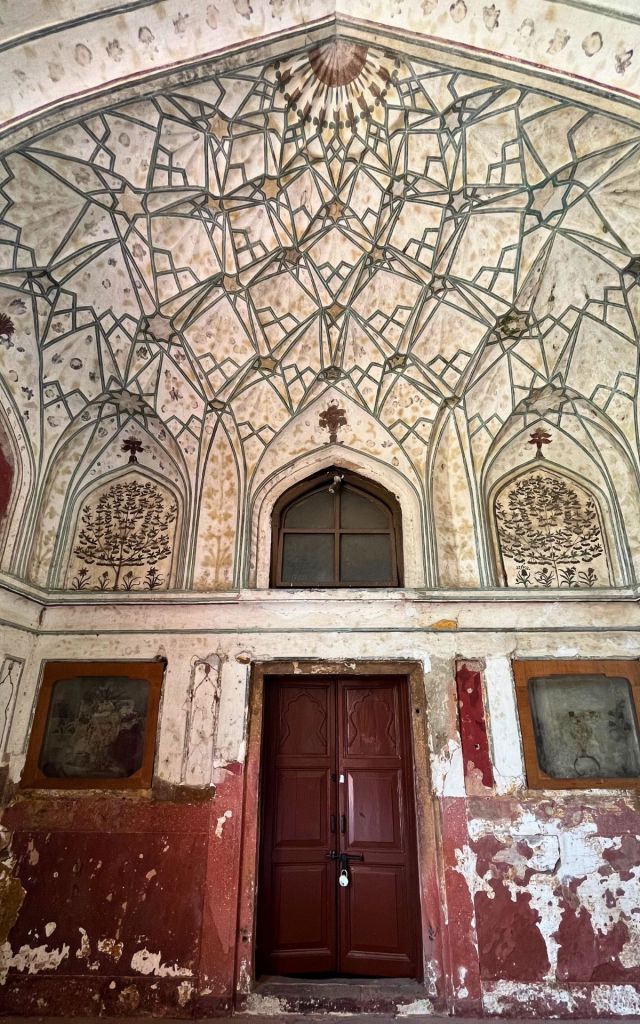
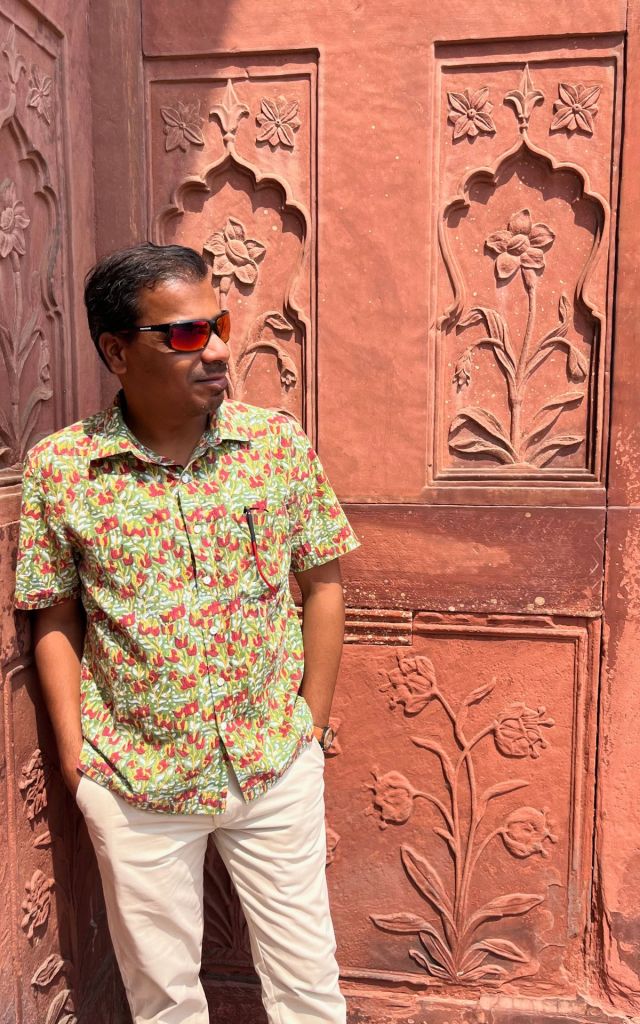
As is apt for any hall that houses artists, the Naqqar Khana is elaborately decorated. Unlike Islamic architecture in other parts of the world where motifs are strictly geometrical, Mughal architecture heavily incorporated natural themes, particularly flowers, in addition to traditional calligraphy.

Here’s a closer look at the intricate details of the Naubat Khana at Red Fort.

Categories
Stories

The Bazaar Under the Dome


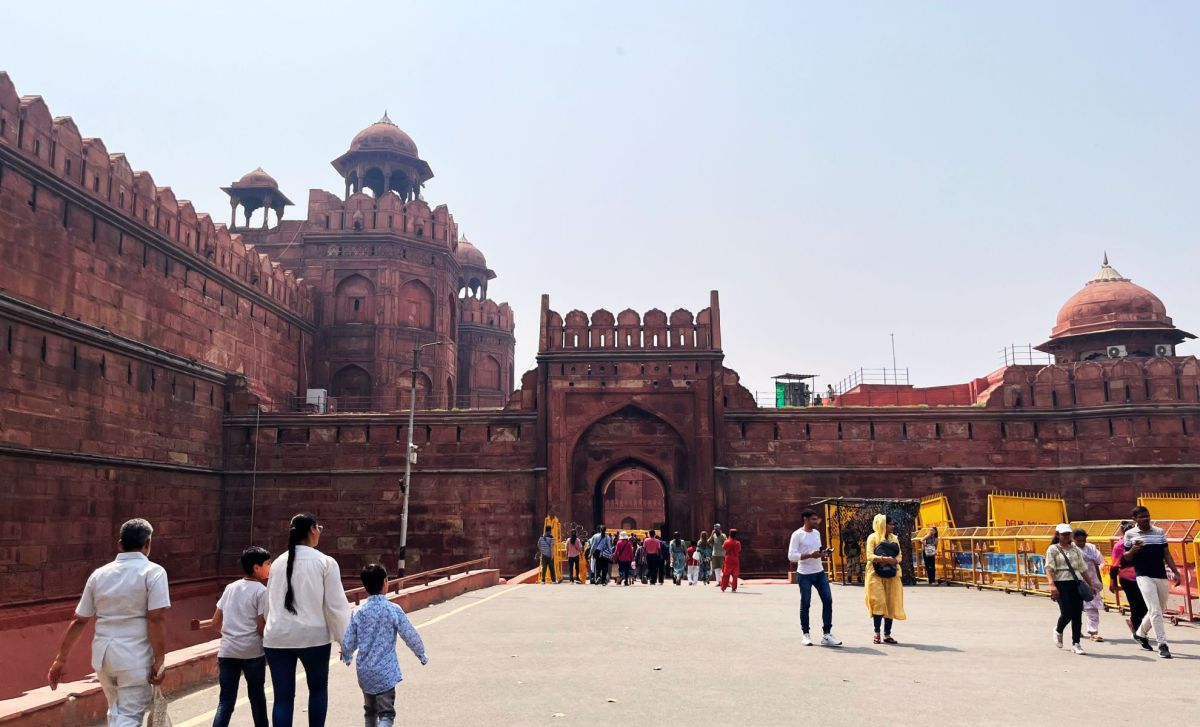
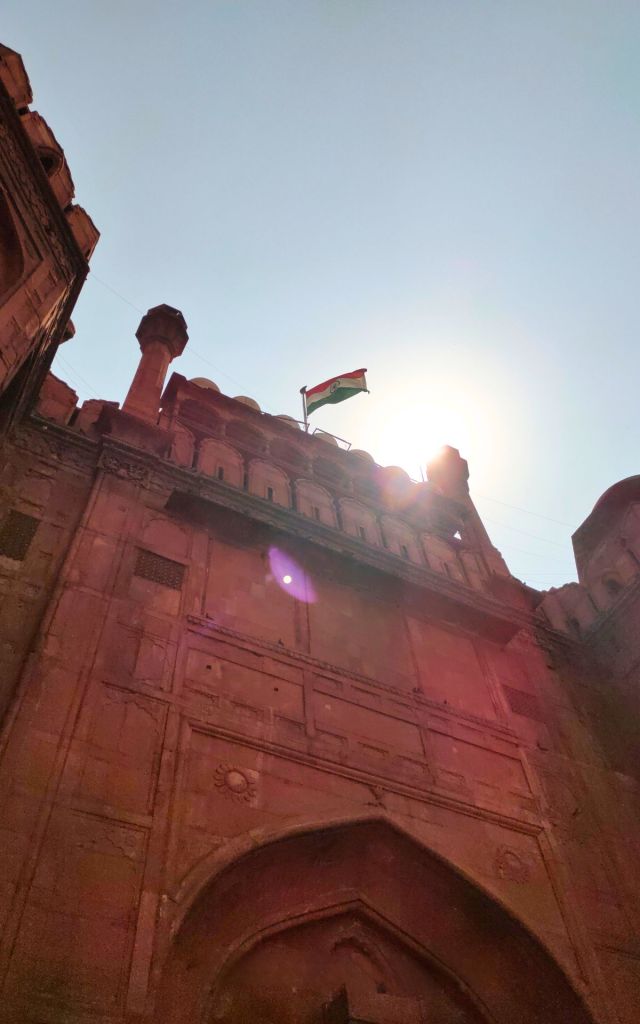
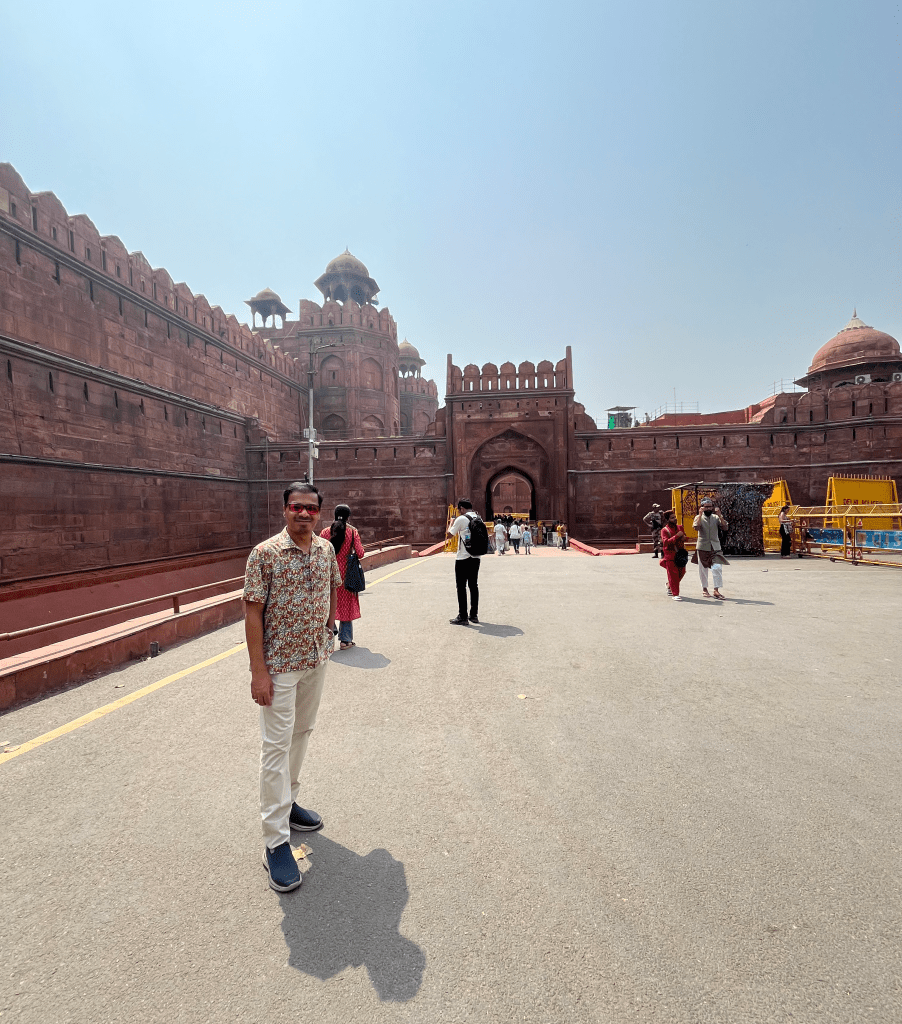
My only memories of the Red Fort are from school trips. And while India Gate, Qutub Minar and the Baha’i temple made quite an impression, I couldn’t quite remember anything about the Red Fort. Except that there was a very crowded market at the entrance that was a nightmare to get through.

So, when we learned that the India Art, Architecture and Design Biennale 2023 was held inside the Fort, I got excited. Finally, an excuse to fill in the memory gaps. 

Turns out, there really wasn’t much to fill in!

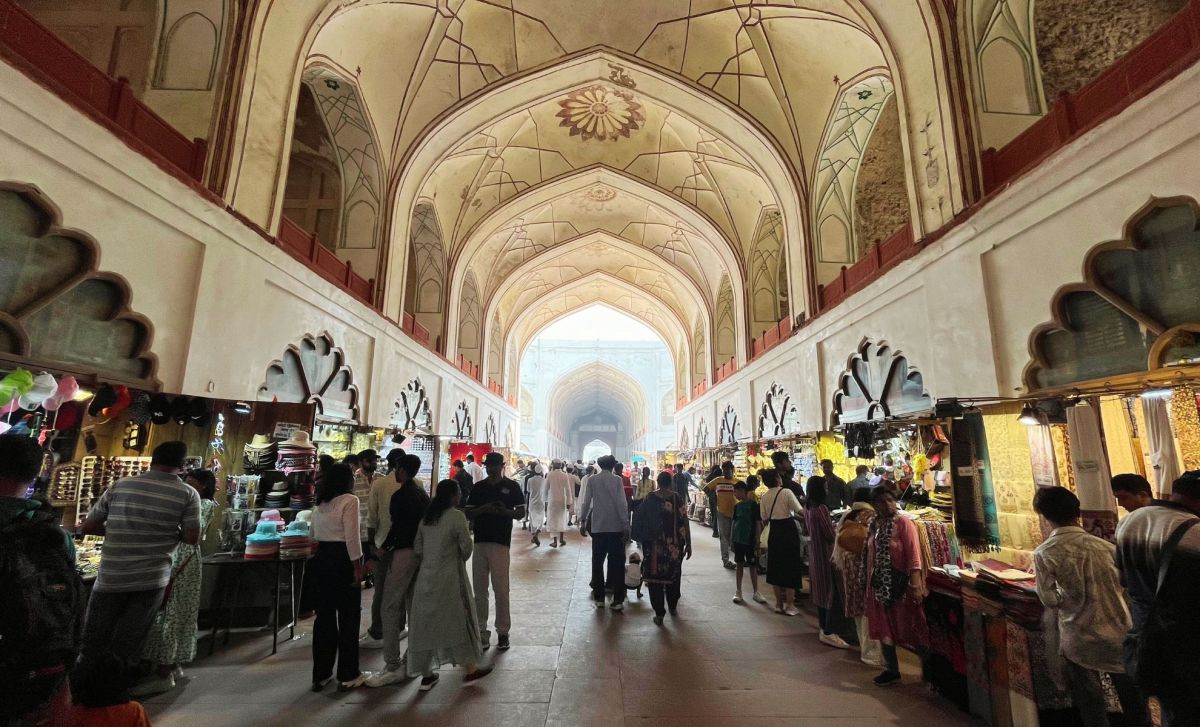
The Fort looked plain, barren and empty. A mere shell, in comparison to the mighty and rich forts of Rajasthan. The only exciting part of the monument: the bazaar! 

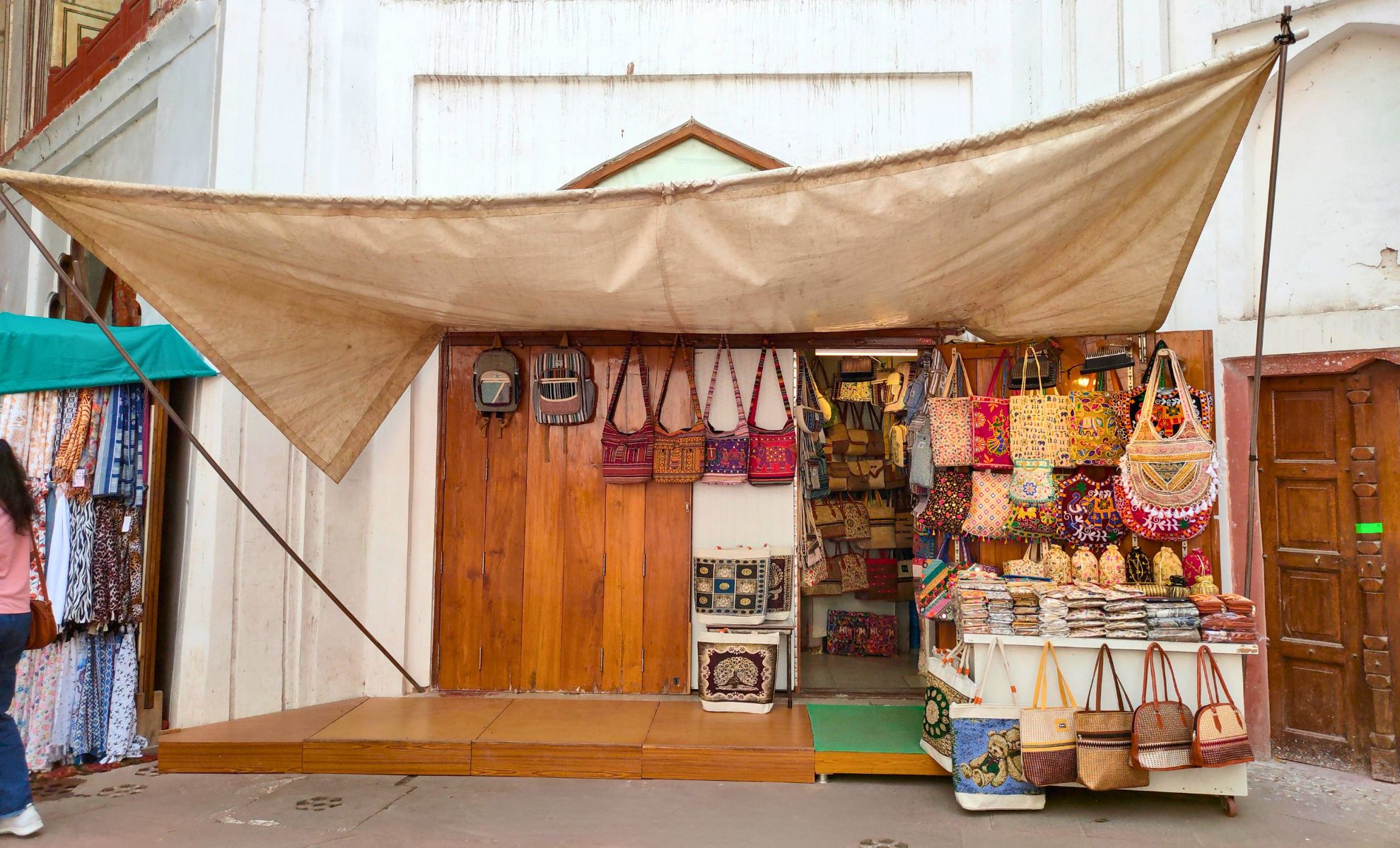
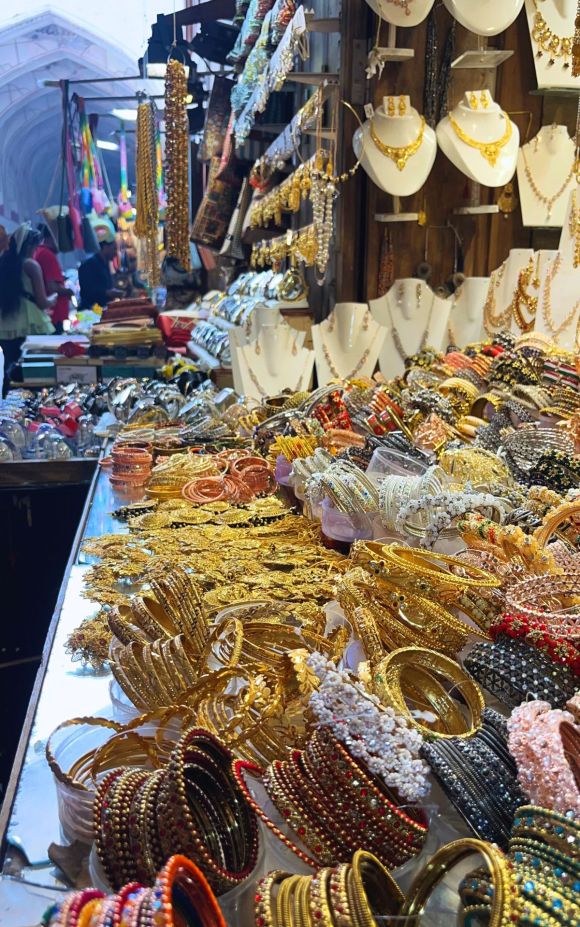
Called Chhatta chowk (translation: covered bazar), the 17th century market had the typical souvenir stalls. Glittering jewellery and carved statues, fridge magnets and stoles. Each shop full of shoppers examining the items with keen eyes.

As we moved closer towards one of the shops, a long line of school students crossed our path. Holding hands and forming a file to ensure no one gets lost. None of them was one bit interested in the wares.

As we waited for the students to cross, my thoughts went back to our school trip. It was boring and tedious for us, but it must have been a hundred times worse for our guardians—the teachers who accompanied us on those trips.


Originally posted on Instagram on 1 April 2024, this post is part of a series where I attempt to reverse social media—to reclaim my life from other platforms.

Categories
Miscellaneous

The Floating Palace


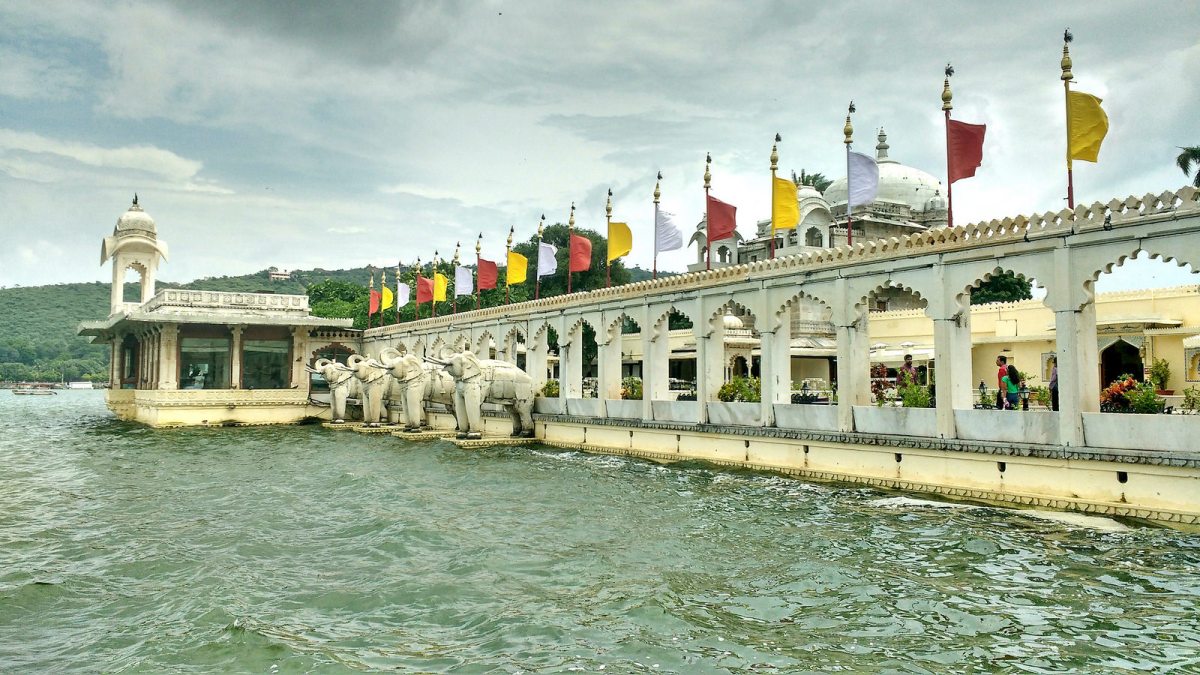
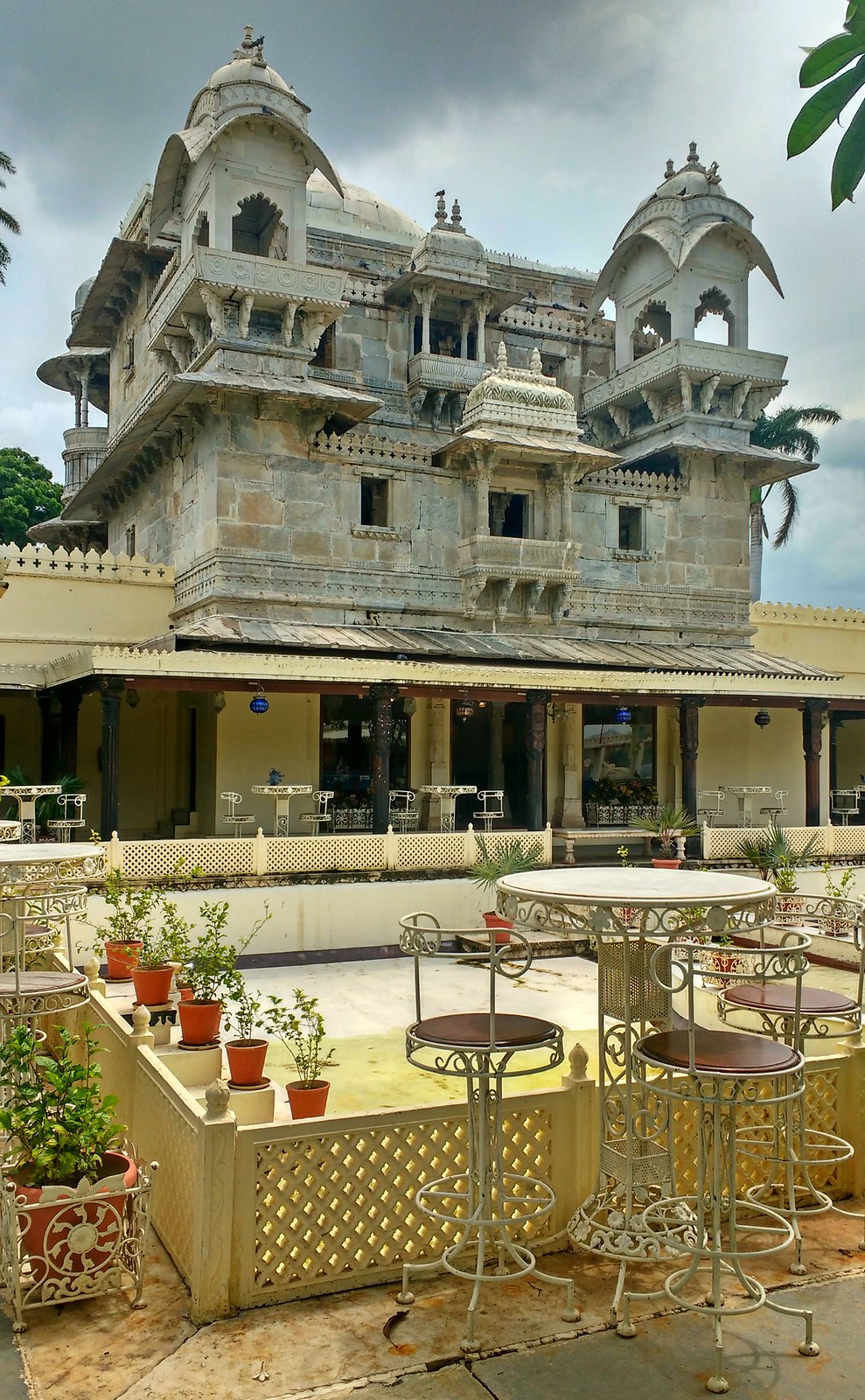
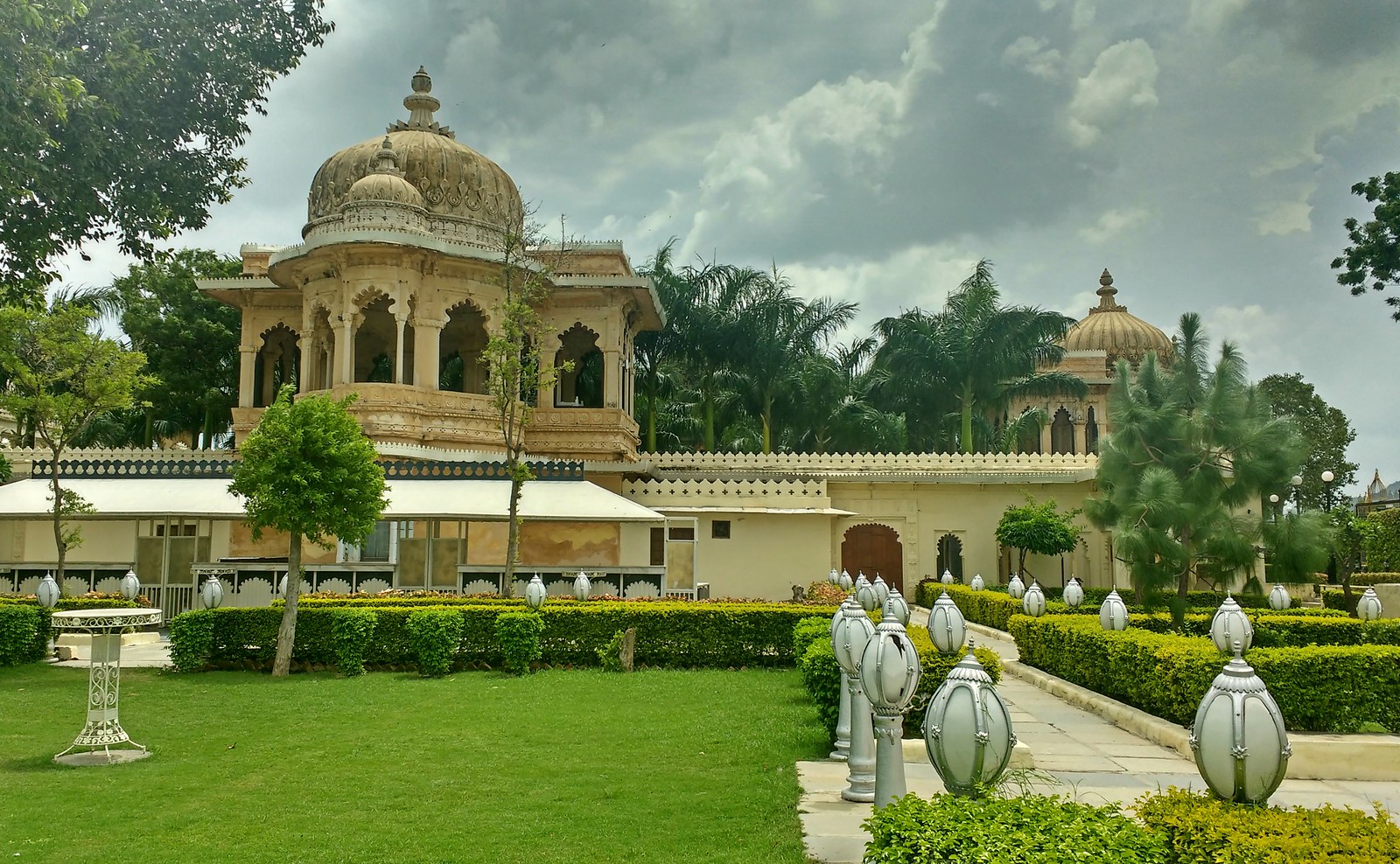
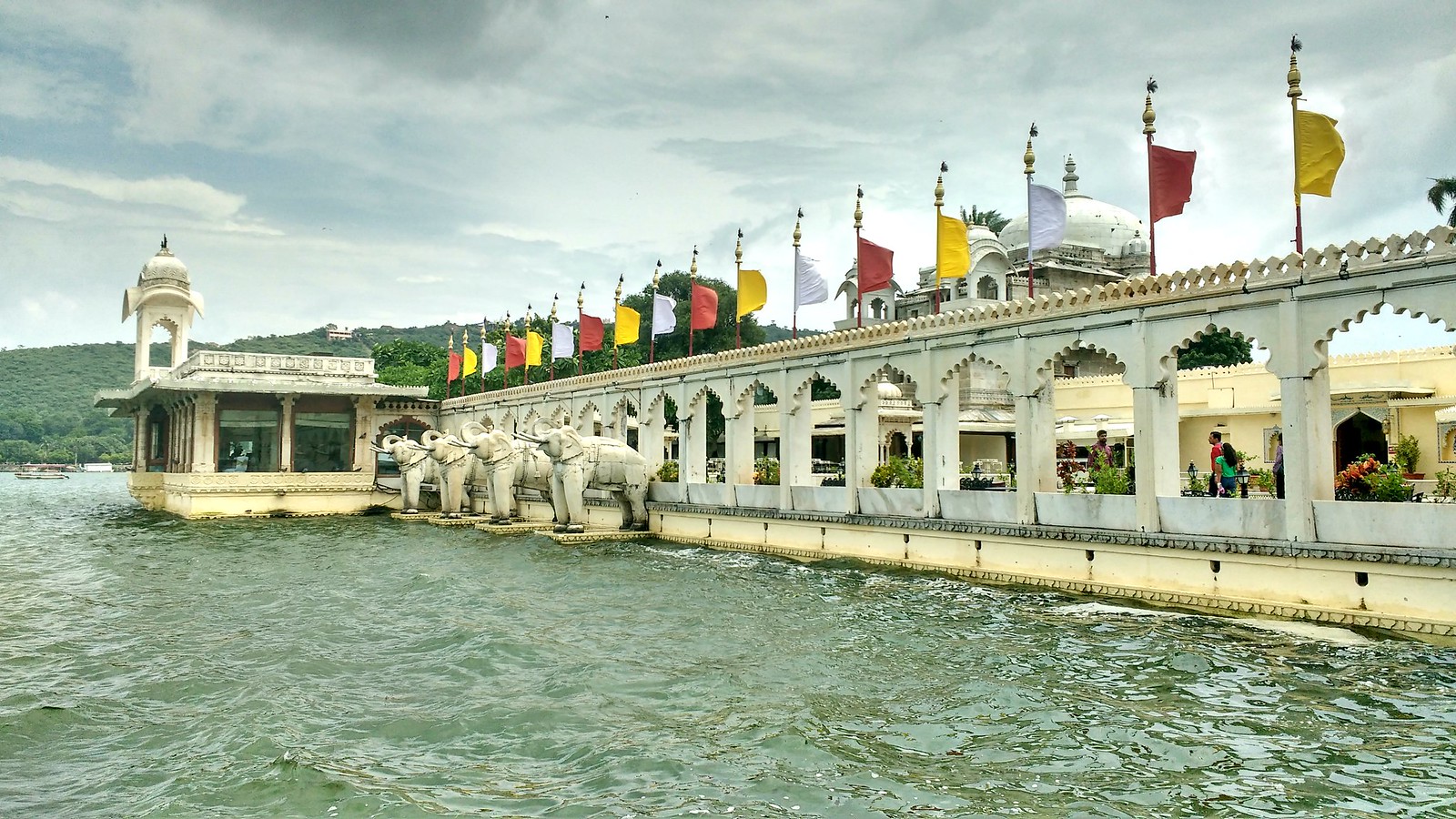
Udaipur is often called the Venice of the the east. I haven’t visited Venice, but I’d still prefer it to be called the Udaipur of the west! I’ll let the pictures of the Jag Niwas Palace at Lake Pichola do the rest of the talking:

A portion of Jag Niwas Palace
Against the most beautiful blue skies

The Island Palace
The central tower

Jag Niwas Island
The lawns

The Floating Palace
The boundary walls


More photo stories from Udaipur


This is post #28 in this year’s NaBloPoMo, or as Ra calls it Nano Poblano

NaBloPoMo = National Blog Posting Month = Thirty straight days of blogging


Follow along on other social channels:
FacebookInstagramMediumTwitterGoogle PlusFlickr

Categories
Stories

Mario’s legacy


Mario de Miranda was a celebrated Goan artist, illustrator and cartoonist. He began his career in the Times of India in 1953. He passed away in December 2011, and was posthumously awarded the Padma Vibhushan (India’s second highest civilian honour) in 2012.

There are four galleries dedicated to his art viz. Panjim, Porvorim, Calangute and Mumbai.

Having spent two full days in Calangute, with the Gallery just over a kilometre of where we stayed, we felt it would be quite an injustice, not to visit. And so, with barely an hour left for our departure, we decided to make a dash towards the Gallery.

Mario's Gallery
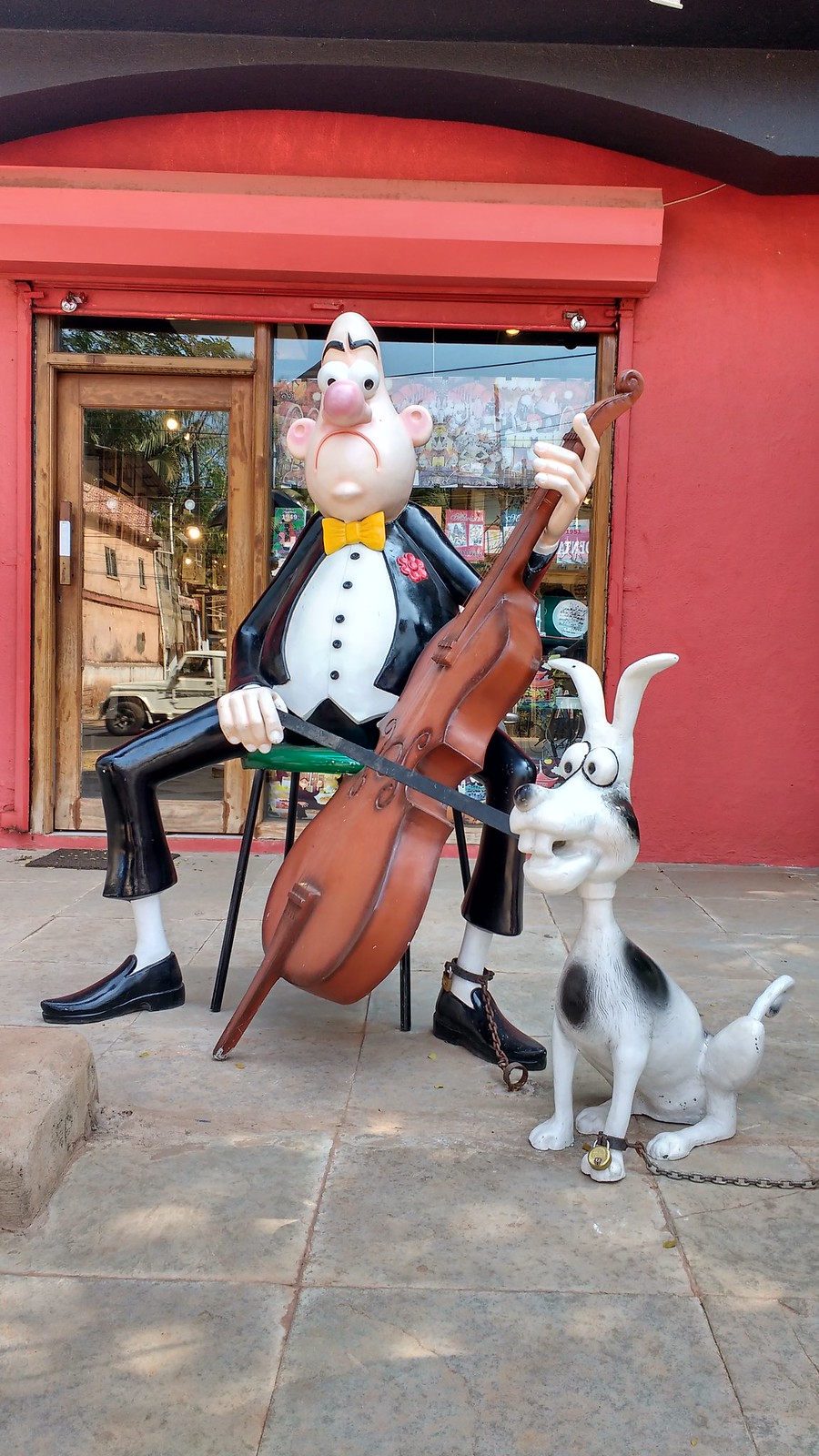
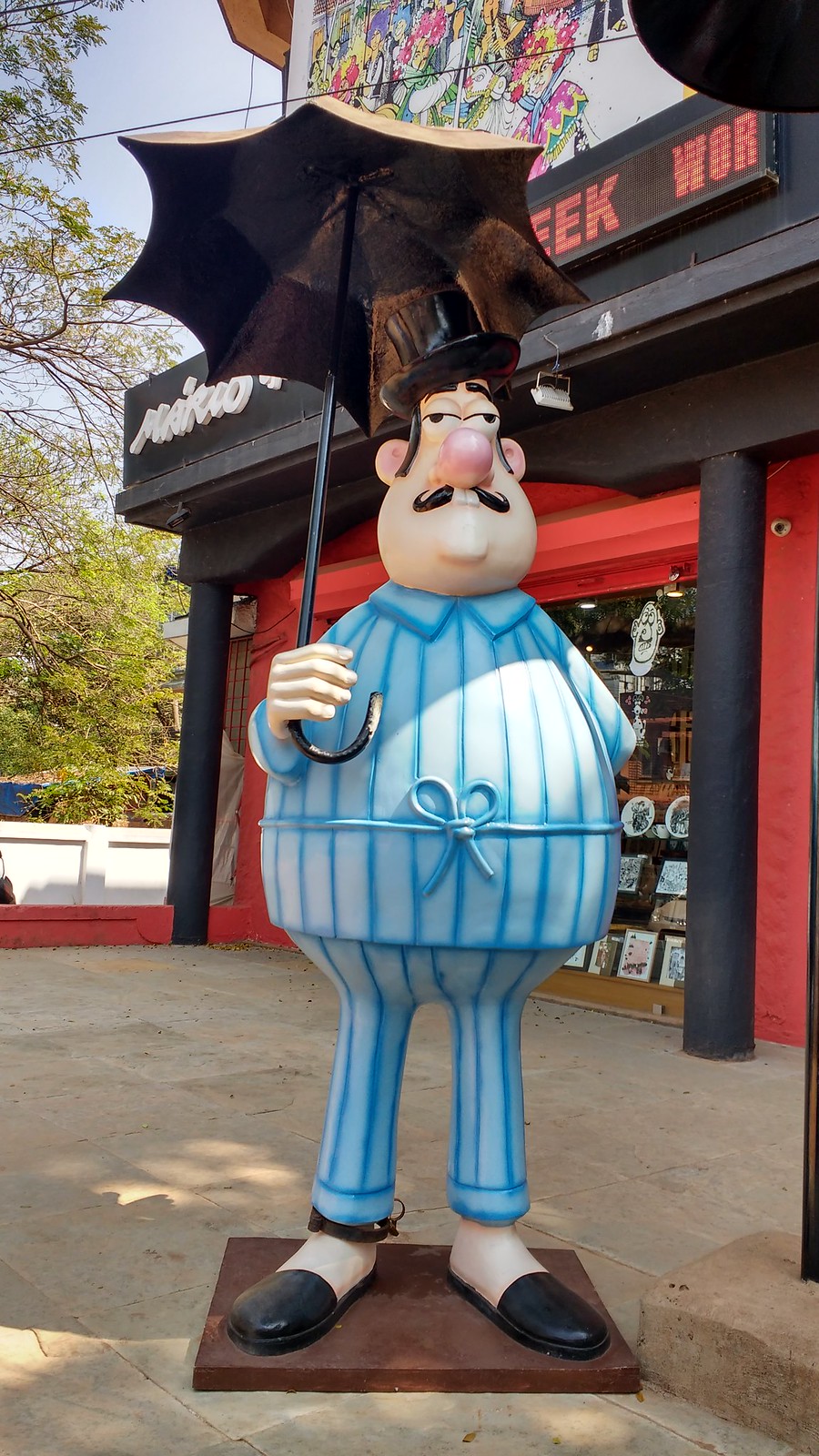
Mario’s character welcomes us at the porch

Hello
Hello, it’s quite sunny here. Maybe you’d like to step inside

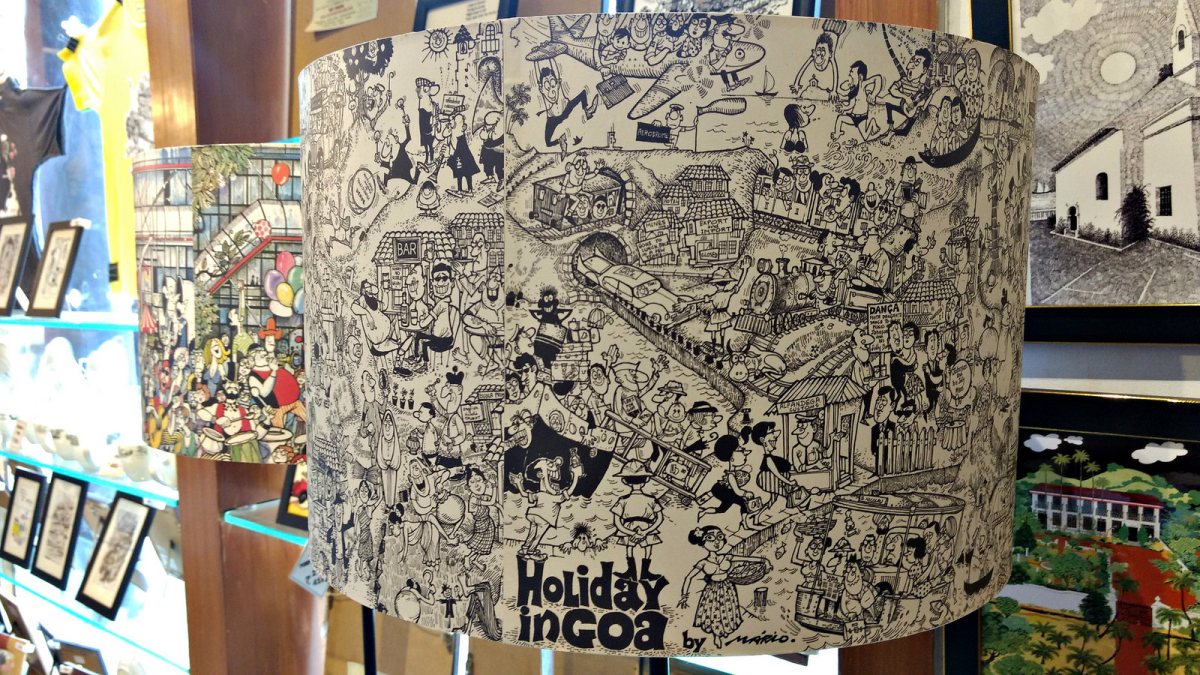
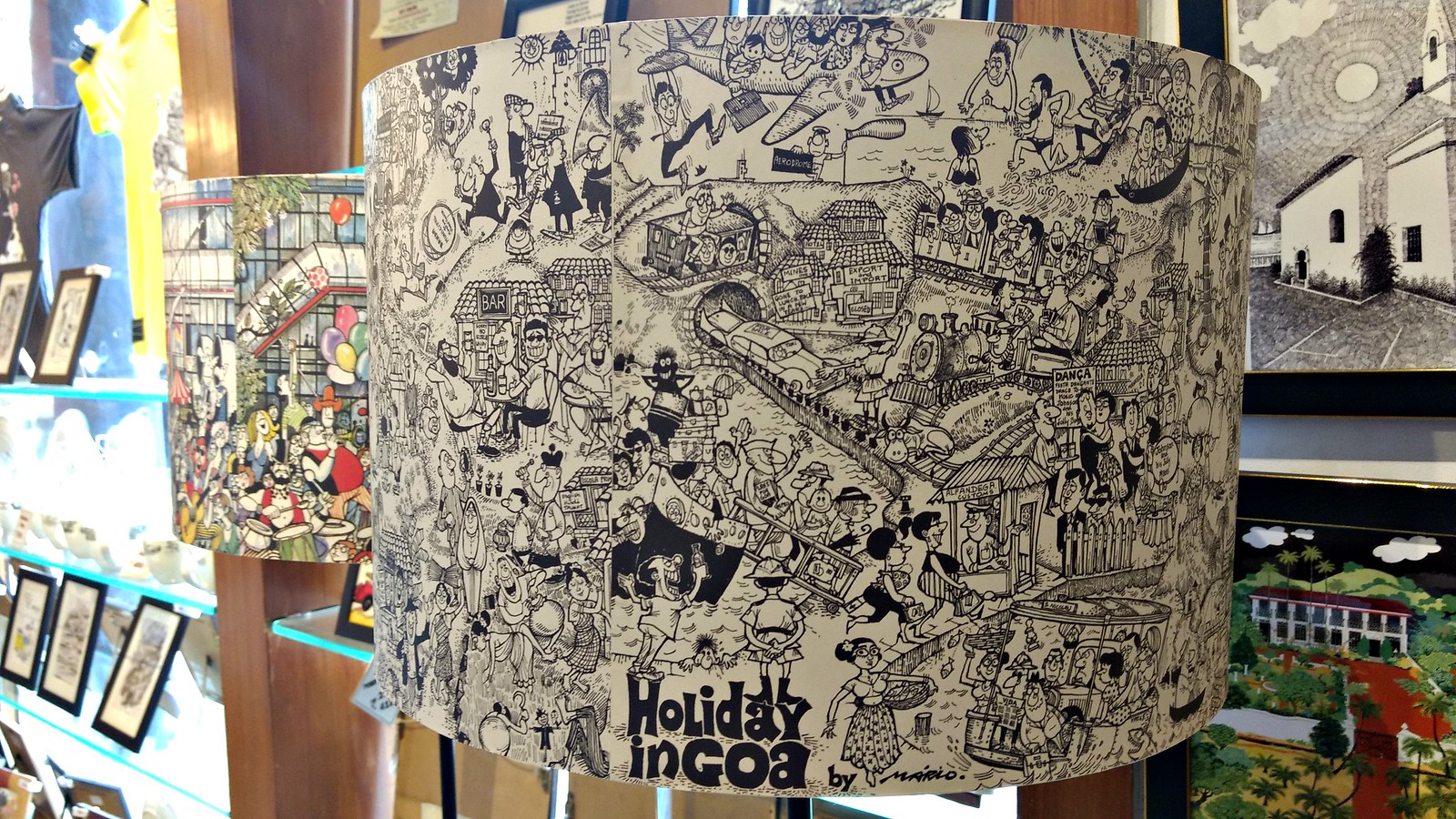
At the Gallery, we were treated to a mouthwatering array of everyday objects adorned with cartoons.

Souveneirs with a difference
Souvenirs on sale

Mario's legacy
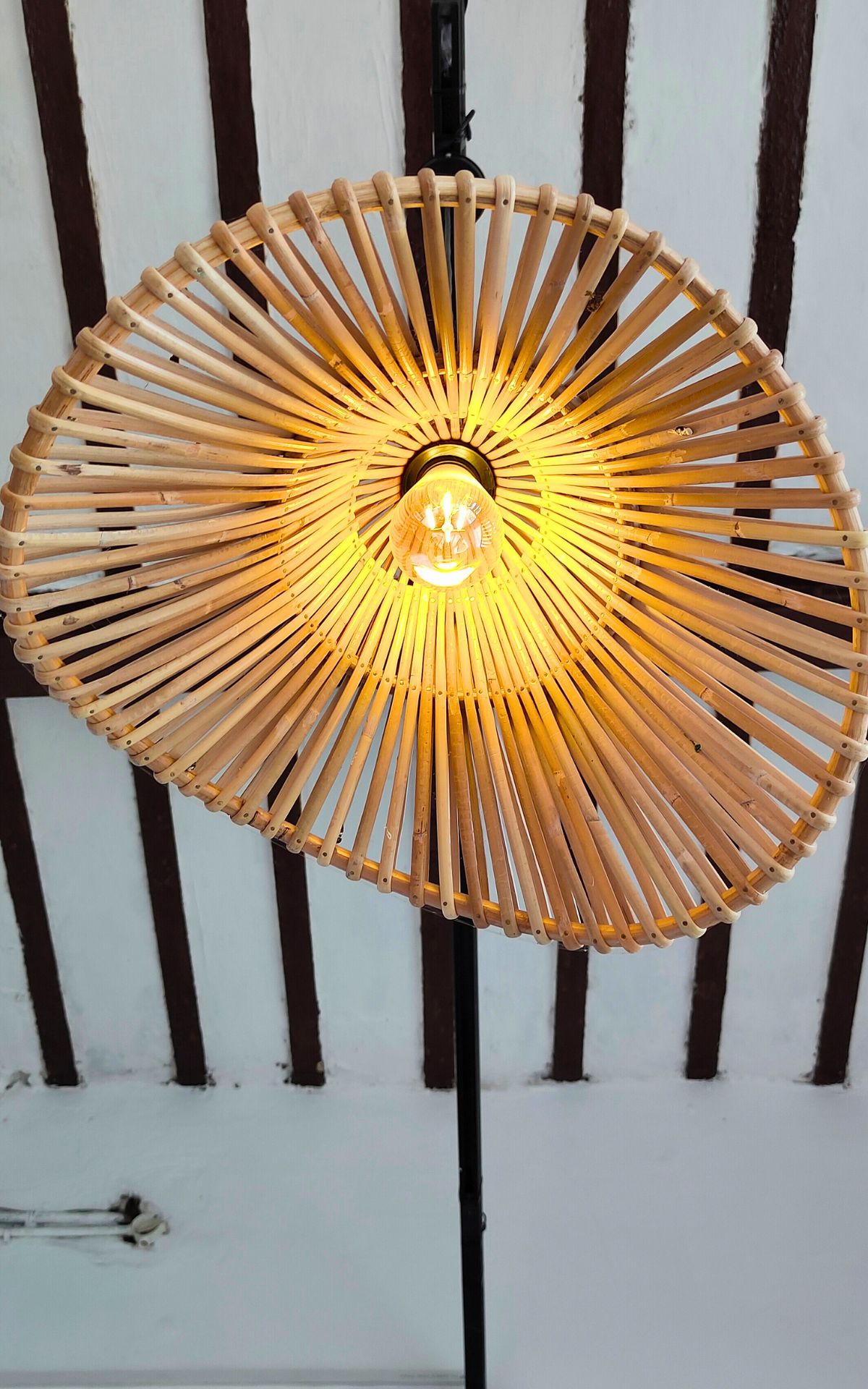
Lampshade with Mario’s cartoons

While most people associate Goa with cashews and feni, we found the gallery to be a treasure trove of very unique souvenirs.


Photos taken with a Moto G3 and Moto G4. Click/tap to enter my Flickr Photostream.


This is post #7 in this year’s NaBloPoMo, or as Ra calls it Nano Poblano

NaBloPoMo = National Blog Posting Month = Thirty straight days of blogging

Categories
Musings

Homecoming


The shrines at every street turning.
The fifty square feet kolams.
It looks beautiful.

The yelai sappaadu and the million varieties of everything.
The nongu and manga inji.
It tastes exotic.

The aroma of freshly ground coffee.
The incense and malligai.
It smells heavenly.

The taalams of the kutcheri audience.
The rustling of the Palm trees.
It sounds familiar.

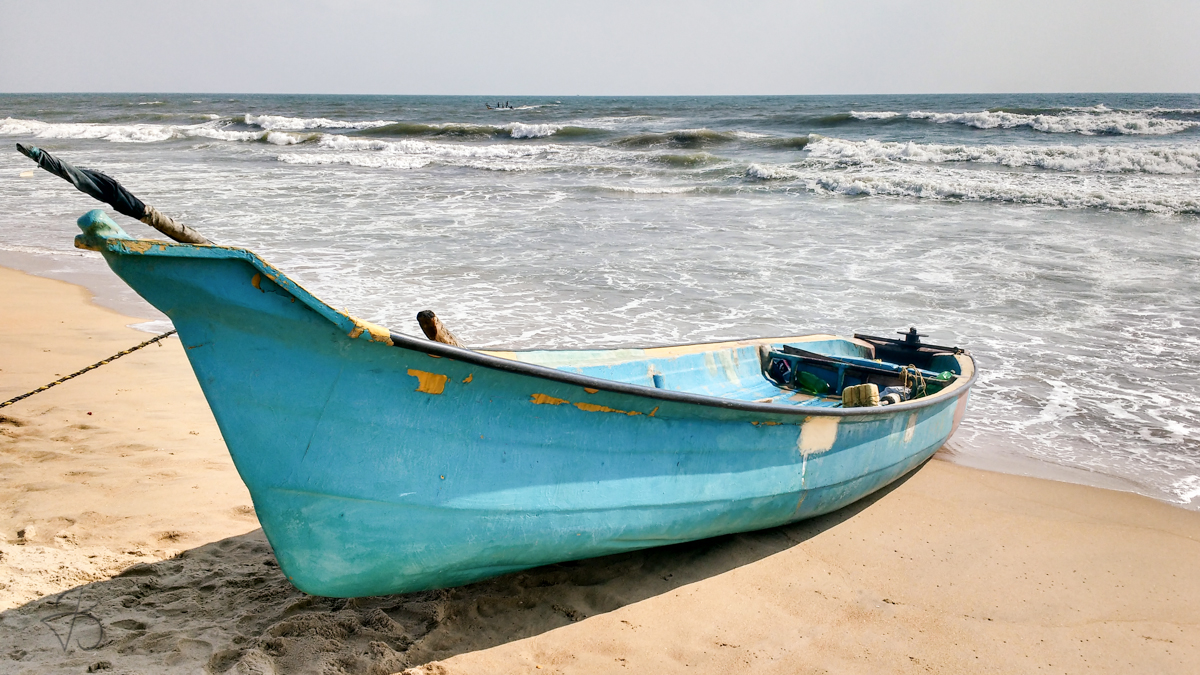
The waves rushing towards me.
The sea breeze and the sand.
It feels like home.


coconut-eyes

“Do you like Delhi or Chennai?” My cousin’s grandfather asked me in a soft childlike voice.

“Both!” I replied.

“No, no, no. I won’t accept that. You have to choose!”

“That’s like asking a child to pick a parent!” I protested.

“Of course! And you must pick one” he replied with a mischievous twinkle in his eye.

“Well, I prefer Delhi. But Chennai comes a very very close second.”

He smiled. It was impossible to tell if he was happy with my answer or not.

No matter where you are, or where you’re headed, wishing you a year in the company of friends and family.

As for us, we spent the New Year in both cities 🙂


Glossary

yelai sappaadu/ilai sappadu: literally, food on a leaf. A traditional platter typically served on a plantain leaf. For a more humorous explanation, check out this video.

nongu: Asian palmyra palm, toddy palm, or sugar palm (in science: Borassus flabellifer)

manga inji: literally, mango ginger.  variety of ginger that tastes like raw mango (in science: Curcuma amada)

malligai: Jasmine. Ladies adorn their hair with garlands made of Jasmine

taalam: beats of a musical composition

kutcheri: musical performance, typically used with reference to Carnatic classical music. Audiences across Tamil Nadu can often be seen tapping their hands to the rhythm of the musical piece.

Categories
Stories

Guarding the hills


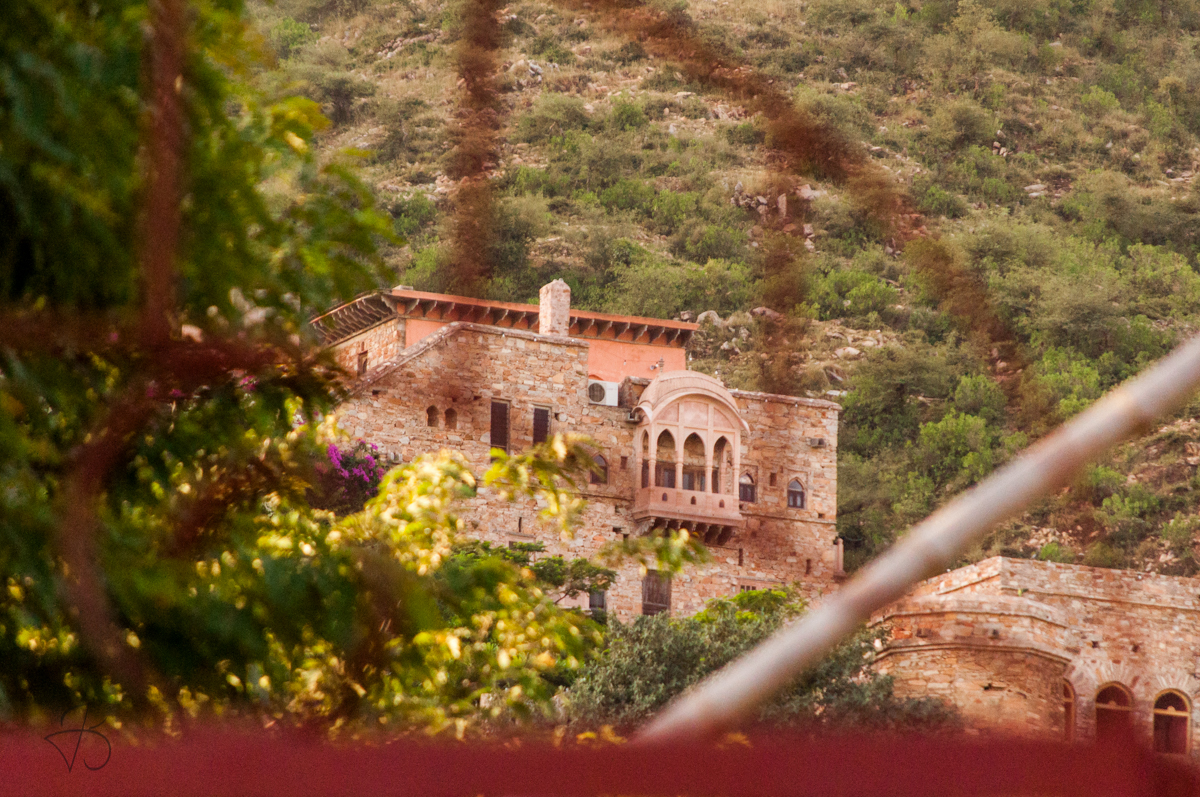
The Dadhikar Fort is well concealed in the Aravalli Hills and even with modern technology, it can be hard to find. So when we did eventually find it, we tried to get as close a look at we could!

Photographs edited with the help of my brother.

Related post: The fort in the hills


nanopoblano2015lightThis is post #29 in this year’s NaBloPoMo, or as Ra calls it Nano Poblano

NaBloPoMo = National Blog Posting Month = Thirty straight days of blogging

Categories
Hobbies

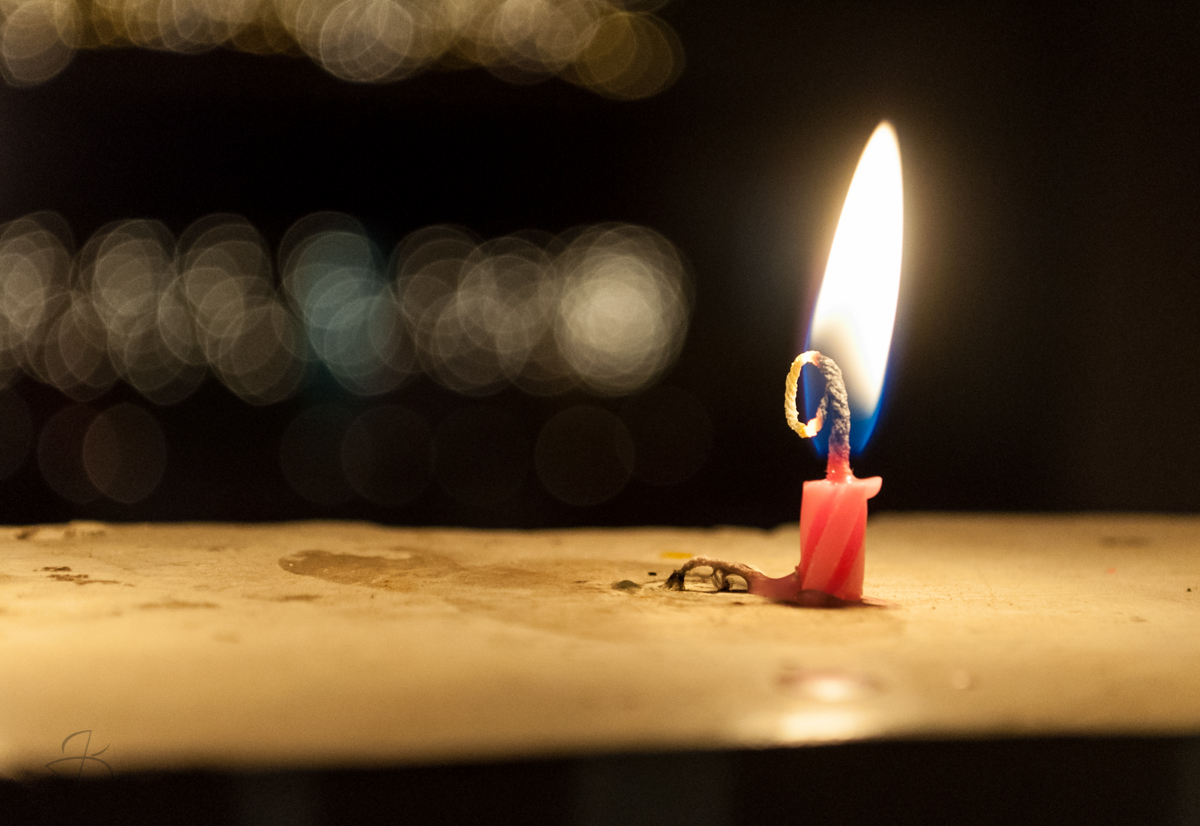
Lighting up Diwali with colourful candles


Wishing you all a very happy Deepavali and a prosperous year ahead!


nanopoblano2015lightThis is post #11 in this year’s NaBloPoMo, or as Ra calls it Nano Poblano

NaBloPoMo = National Blog Posting Month = Thirty straight days of blogging

Categories
Hobbies

Weekly Photo Challenge: Ornate


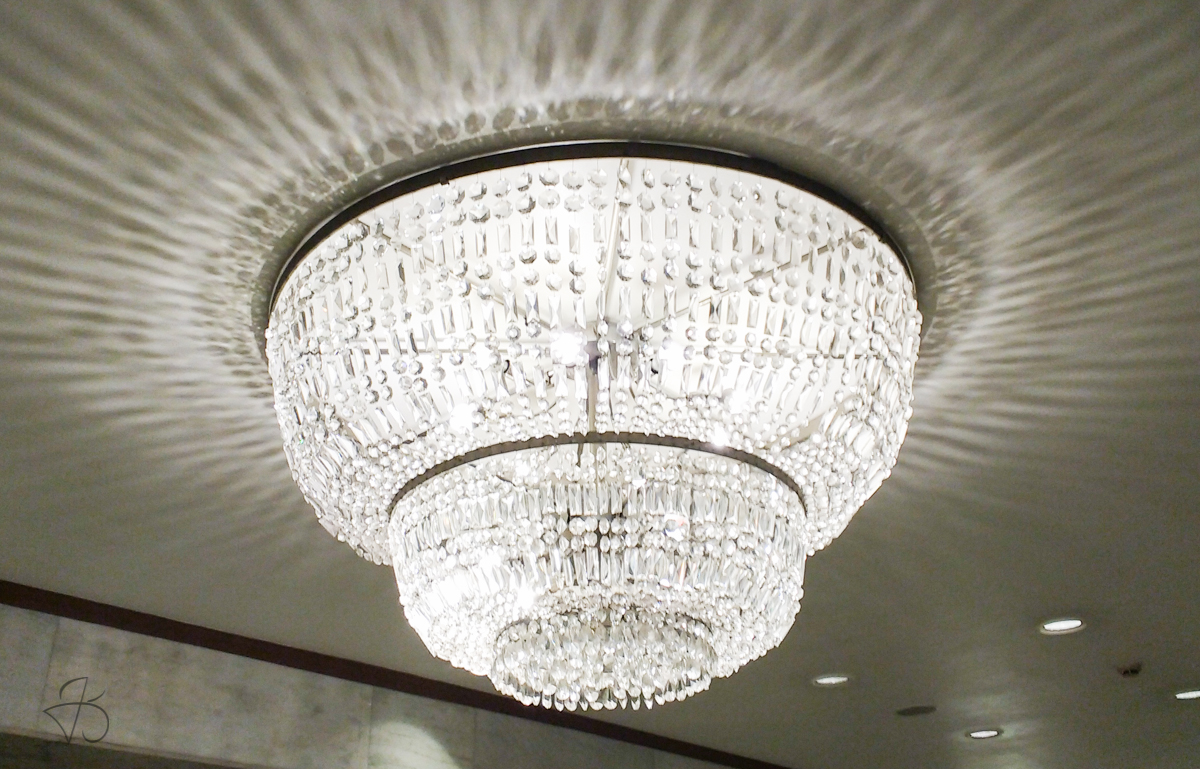
Luxury hotels tend to have a rather extravagant décor. Here are a few pictures I snapped using my phone a few months back at a couple of Delhi hotels. Click on the images to view larger size.

In response to The Daily Post’s weekly photo challenge: “Ornate.”


nanopoblano2015lightThis is post #8 in this year’s NaBloPoMo, or as Ra calls it Nano Poblano

NaBloPoMo = National Blog Posting Month = Thirty straight days of blogging