Categories
Stories

Shaping the Built


India’s cultural history dates back to prehistoric days. Yet, when it comes to design, the world seems to consider Europe as the centre for excellence.

The India Art, Architecture and Design Biennale 2023 (IAADB23) was a welcome initiative by the Ministry of Culture to show the world (and more importantly, to Indians) what they’ve ignored (or perhaps wilfully tried to destroy, almost succeeding at it).

The initiative captured public imagination. From quirky installations to mind-blowing paintings, and from replicas of temples to modern art, there was something for everyone.

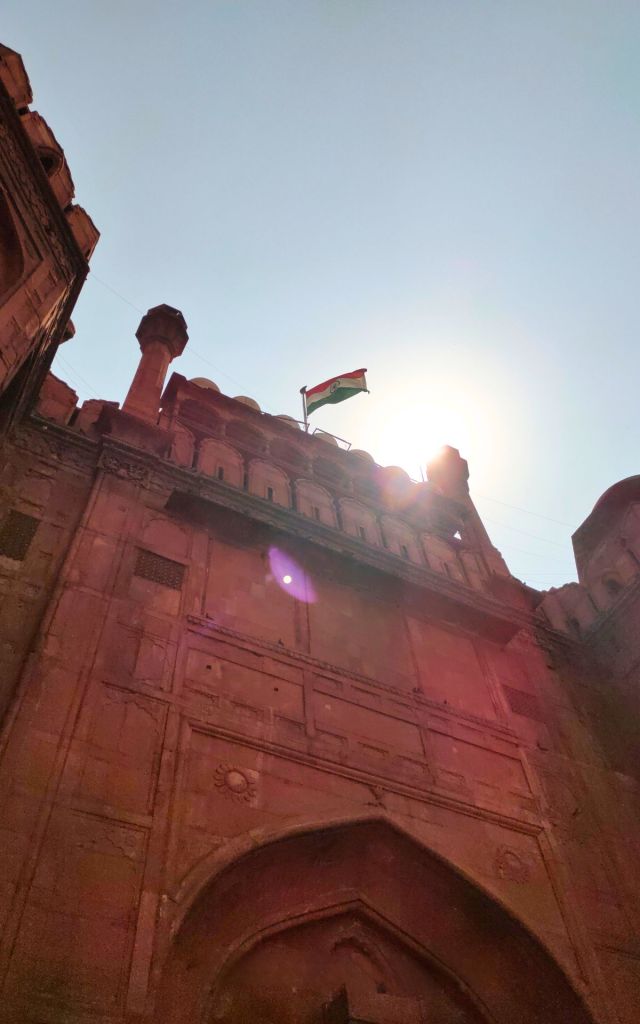
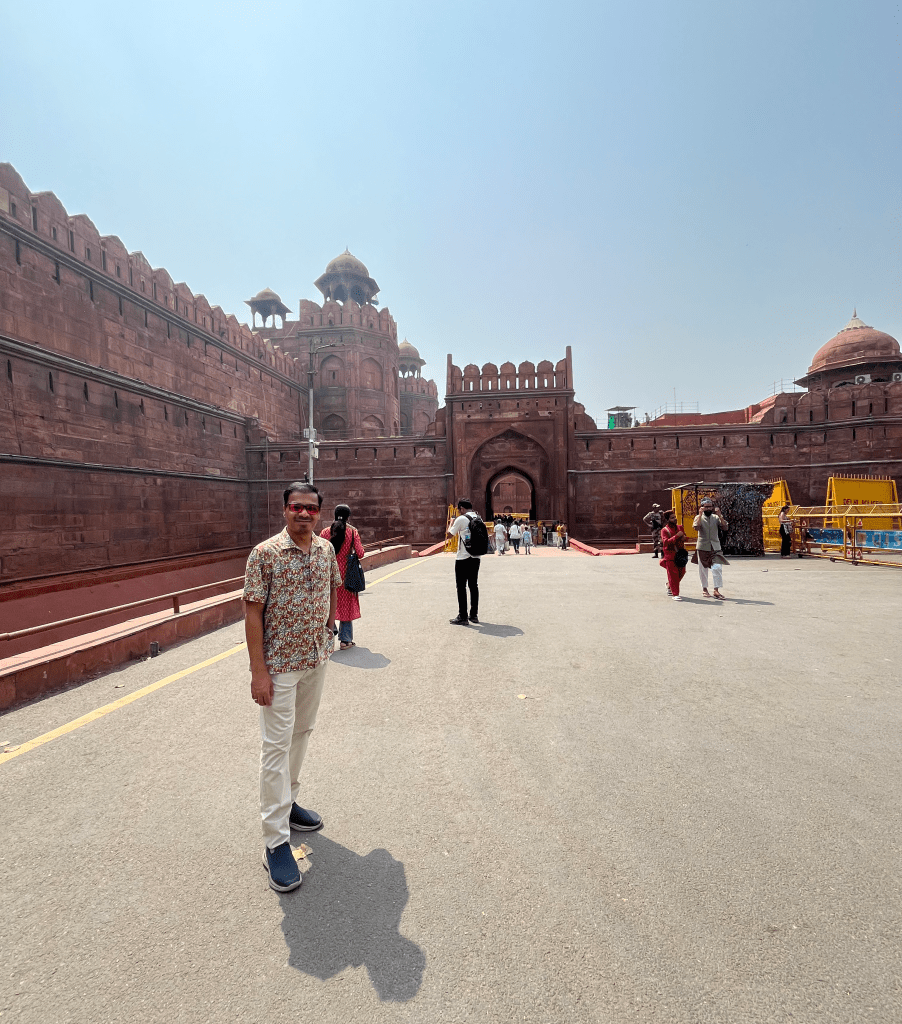
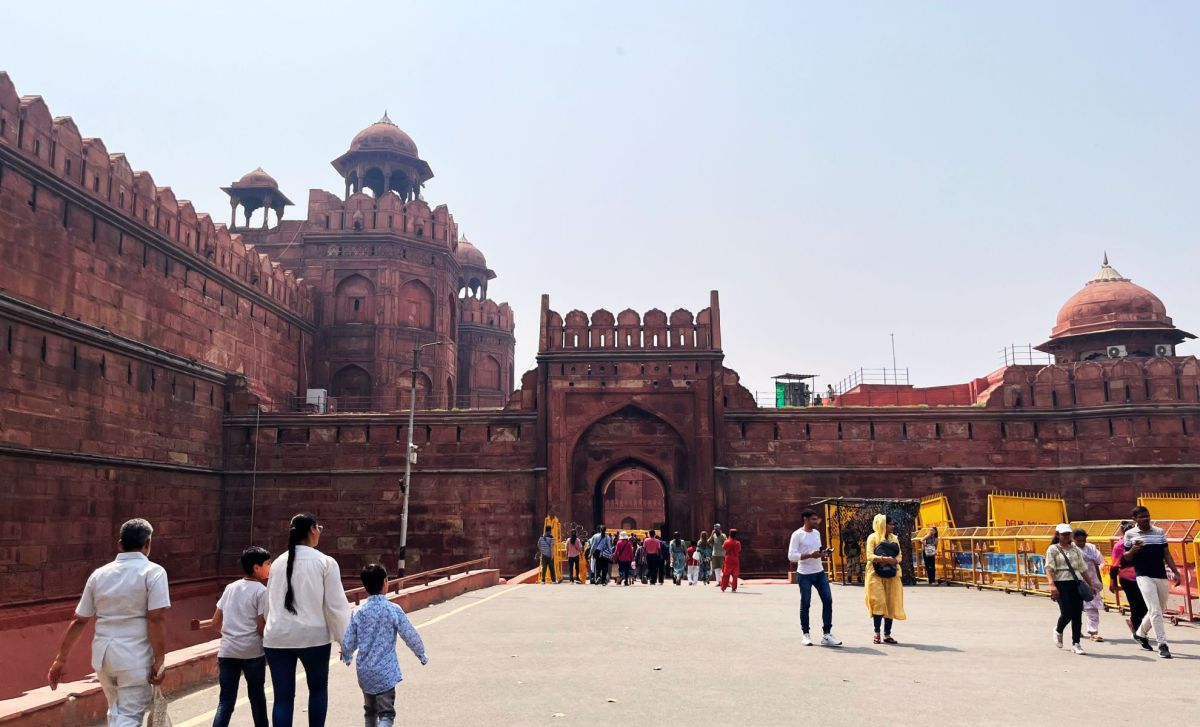
The Red Fort, with its sprawling lawns and numerous barracks was an appropriate choice. To house the cultural history of a nation as rich and diverse as Bhaarat, would have taken nothing short of a small army.

The entire showcase was divided into seven pavilions, each with appropriately beautiful names:

  • Pravesh (Doors of India), Rite of Passage.
  • Bagh-e-Bahar (Gardens of India), Gardens as universe.
  • Sampravah (Baolis of India), Confluence of Communities.
  • Sthapatya (Temples of India), Antifragile Alogrithm.
  • Vismaya (Architectural Wonders of Independent India), Creative Crossovers.
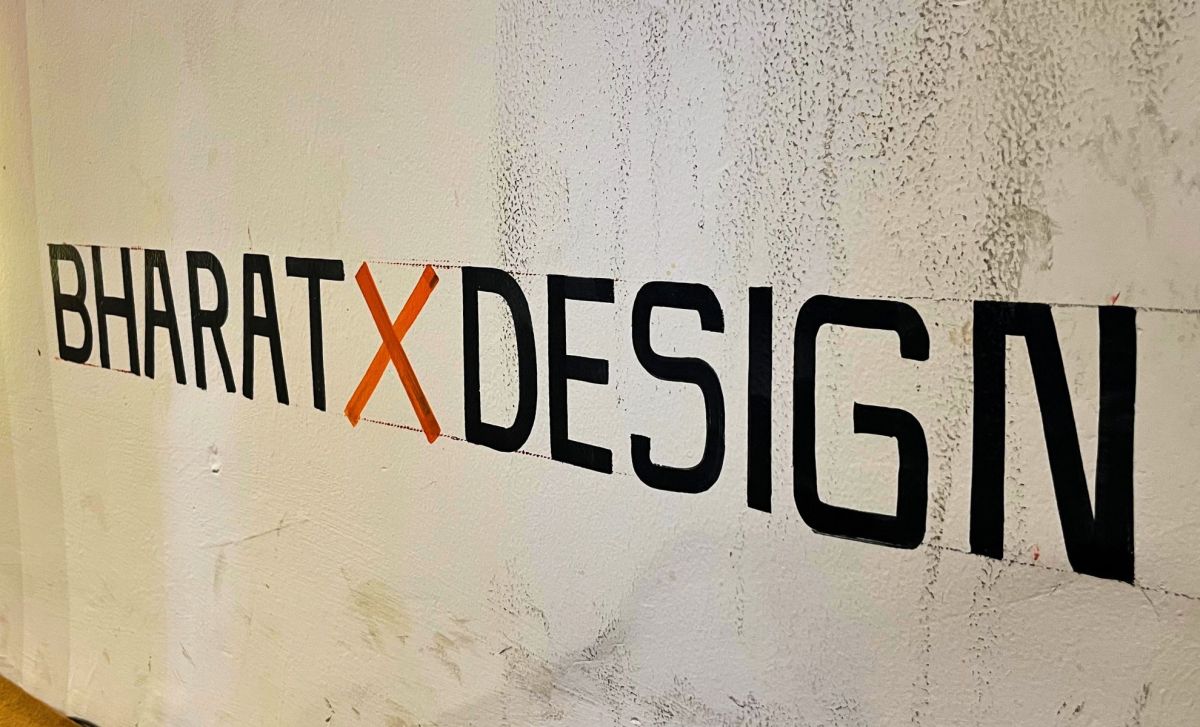
  • Deshaj (Indigenous Design), Bharat x Design.
  • Samatva (Women in Architecture and Design), Shaping the Built.

While the installations at Vismaya and Pravesh made it to Instagram reels, Deshaj was the one that I was looking forward to. But the pavilion that ultimately had the biggest impact on me was Samatva.

Samatva: Shaping the Built
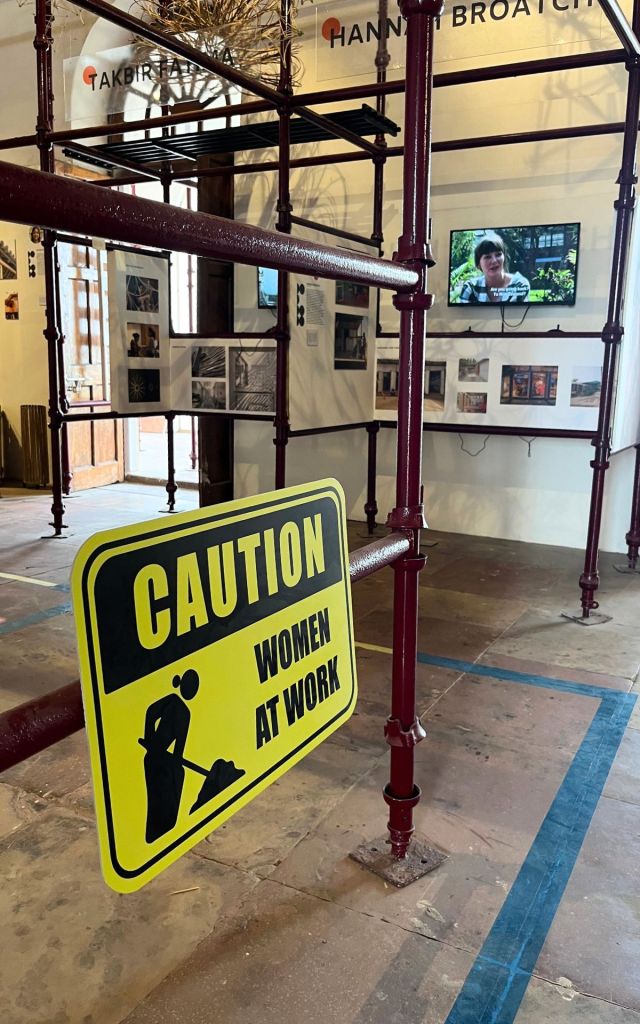
Inside the Smartva pavilion, a signboard reads, “Caution: Women at Work.”

Curator Swati Janu introduced Samatva thus:

The root of the word Samatva (Sanskrit: समत्व) is sama (सम) meaning ‘equal’ which forms the essence of this exhibition and the reason why we showcase women architects here.

Historically and even today women have not been given the same opportunities and recognition as men in the fields of design, architecture and planning, be it in pursuing the profession or being widely published or invited to speak at panels.

Even before we entered the pavilion, we saw these graphics reminding us about the poor representation of women in architecture.

The information visualisation nerd in me, however, couldn’t help but appreciate how beautifully well the information was presented. Using nothing but coloured dots, the series of graphics showed the gap in gender participation in architecture. Yellow dots represented men, while red ones represented women. The saddest visualisation was entirely yellow.

Graphic depicting the gender gap amongst Presidents of Council of Architecture.

Since 1972, there hasn’t been a single non-male president of Council of Architecture.

As architect Amrita Nayak puts it, “Often women have to work harder to be ‘listened to’ by senior leadership, in comparison to men with similar expertise or experience.”

I have been fortunate to have been heard in my work environment. But Amrita’s experience is all too familiar in a social setting.

The picture gets somewhat better when it comes to recognition of women in architecture, with 12 red dots against 88 yellow ones. The Pritzker Prize is an international award given annually to recognise the contributions of a living architect.

“It took 26 men winning the coveted Pritzker Prize for Zaha Hadid to become the first female winner in 2004.” – Sonali Rastogi, Co-Founder and Principal Architect, Morphogenesis
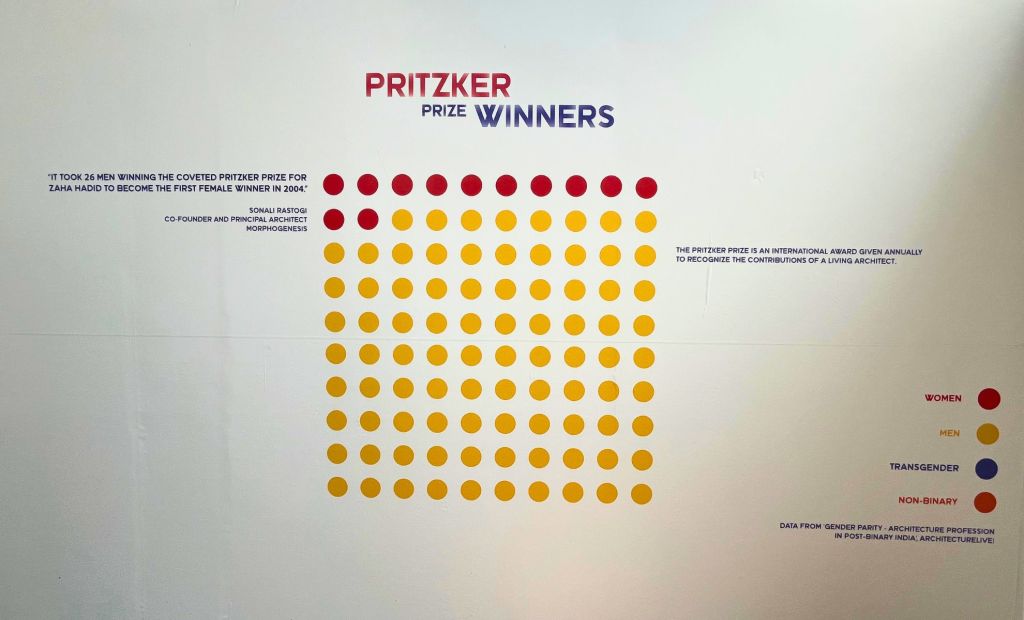
Graphic depicting the gender gap amongst Pritzker Prize winners.

One reason why so few women have been awarded the prize is because there are fewer women who practice. 20 red dots to 80 yellow ones.

Beside the visual, another eerily relatable observation by Amrita reads, “As a practising architect, one often finds oneself walking into a room (or a site) where you are the only female present.”
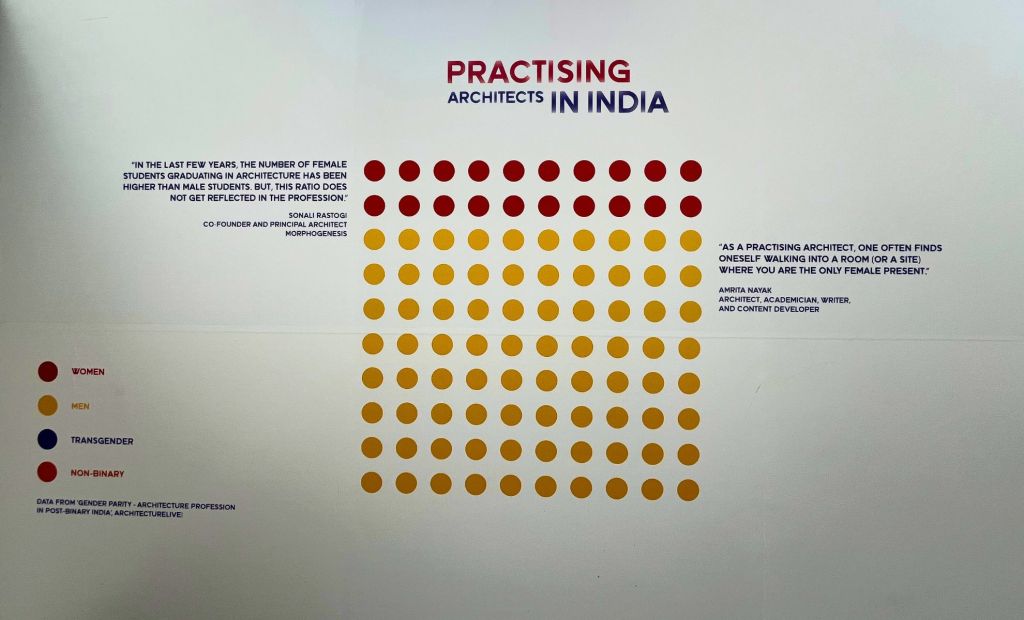
Graphic depicting the gender gap amongst practising architects in India.

“As architects, we are meant to build inclusive spaces. Why did we not make an inclusive framework for society?”

– Jaya Nila, Architect and Founder, The Architecture Place, Bengaluru

Amongst this sea of yellow dots, one visual represents hope. On the graphic for the number of students of architecture in India, the sixty red dots outnumber the yellow ones—a fraction short of forty. A tiny fraction of blue comes in too, to represent the transgender section of society.

However, as academician and architect Rajshree Rajmohan points out, “One is studying/practising and at the same time grappling with social impositions and gendered expectations.”
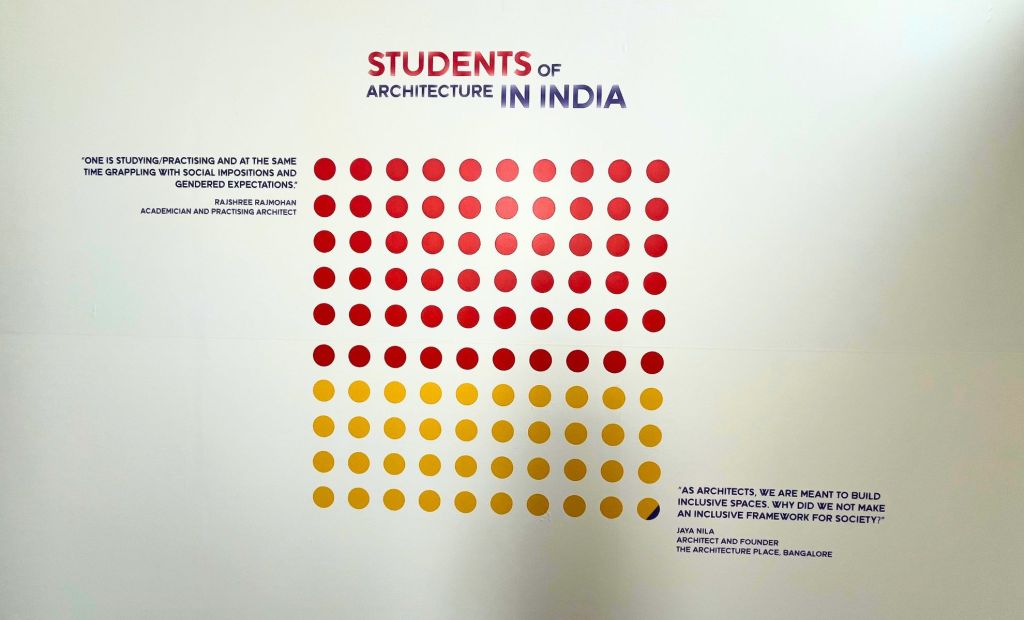
Graphic depicting the positive gender gap amongst practising architects in India.

Equanimity is a concept that is rooted in Indian culture, but centuries of colonialism slowly eroded it. But hope springs eternal, and there are some signs of revival. We have a long way to go to rediscover our roots and I hope initiatives like IAADB don’t get restricted to quirky social media shorts but spark genuine conversations around design in Bhaarat.


This is the first of what will likely be a long series of posts dedicated to IAADB23, as I have just stumbled upon the treasure of memories in my digital archives. Stay tuned for more!
Categories
Stories

The Drum House


If you’ve seen Hindi movies or plays set in the Mughal era, then you’ve heard that familiar refrain, “Azeem o Shaan Shehenshah…” An announcer describing the arrival of royalty.

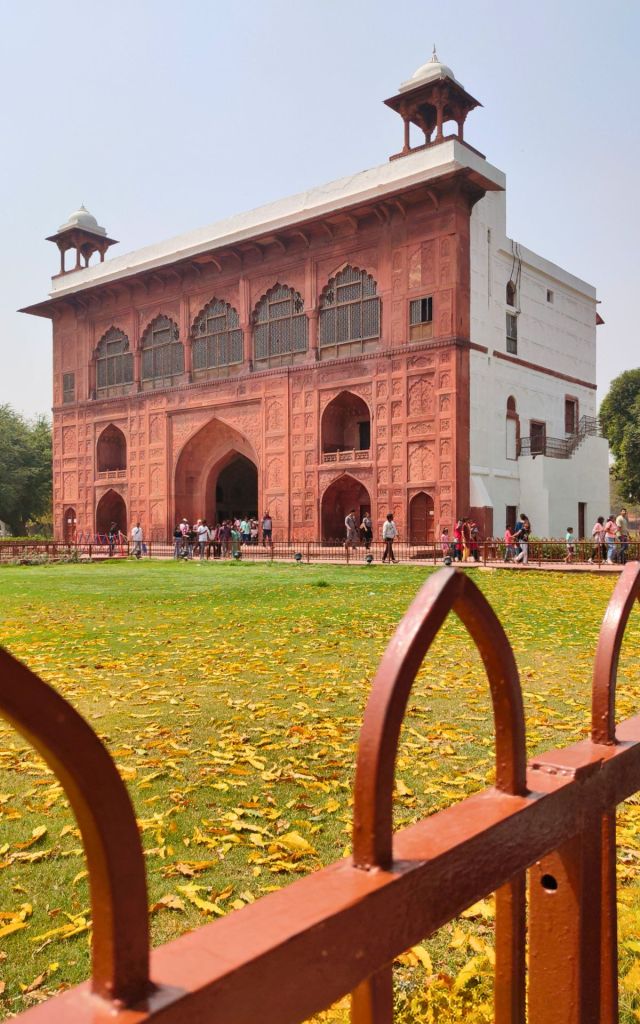
At the Red Fort in Shahjahanabad (Old Delhi), musicians would make announcements from the Naubat Khana, or Naqqar Khana (Drum House), letting the public know that the Emperor or a royal dignitary had arrived.

Announcements were a tiny part of the musicians’ job description. The Mughals were great patrons of art, and musicians would perform five times a day at chosen hours.

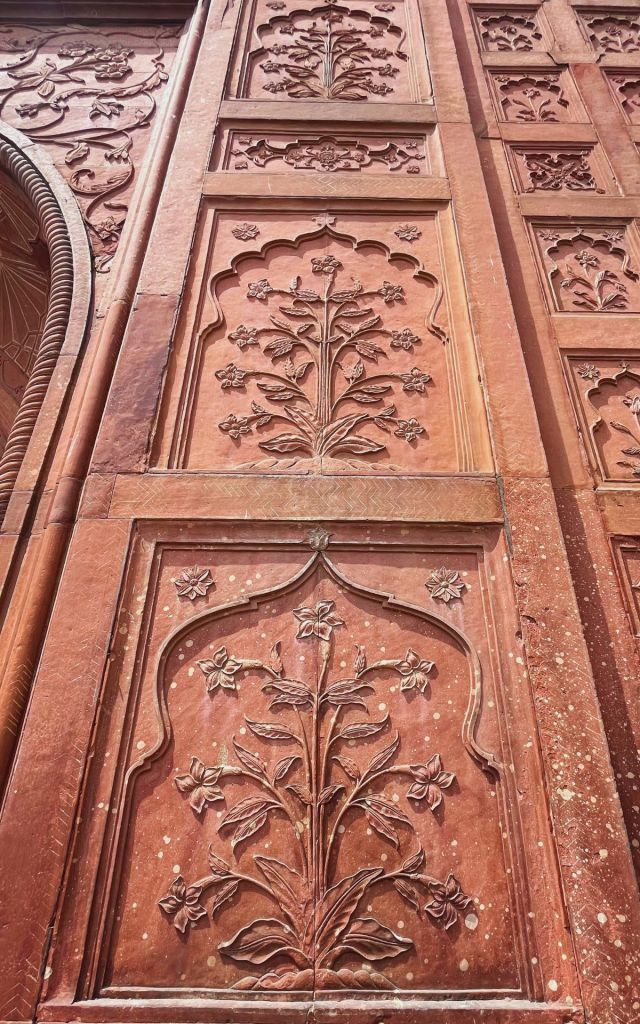
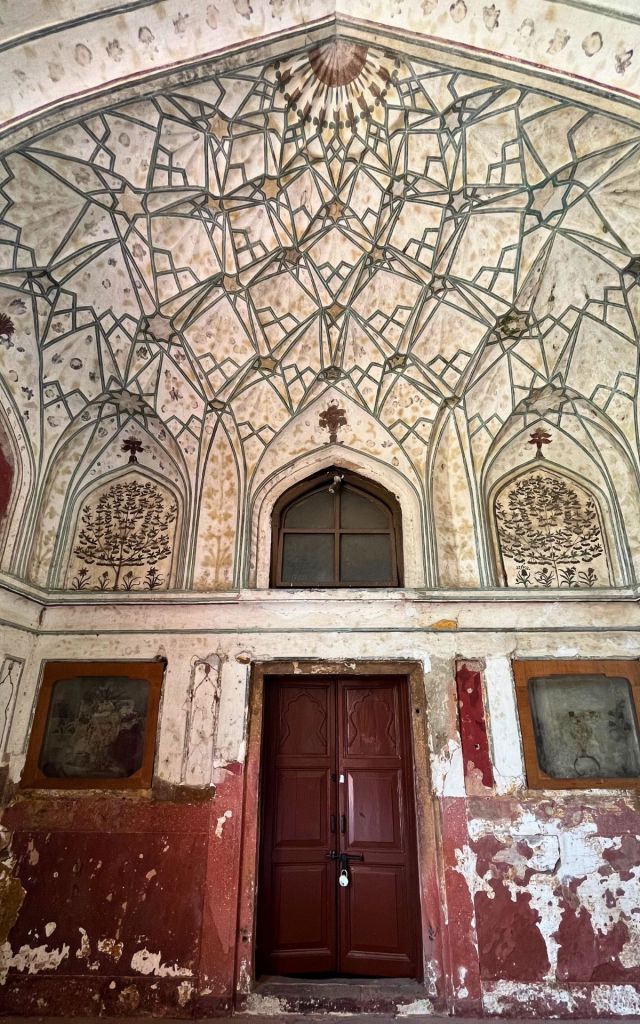
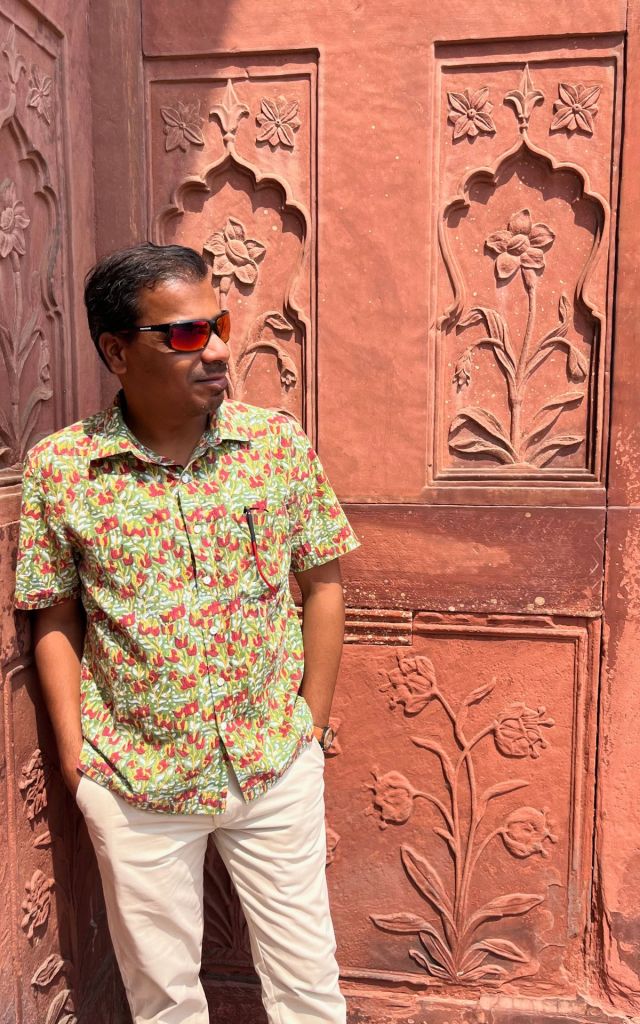
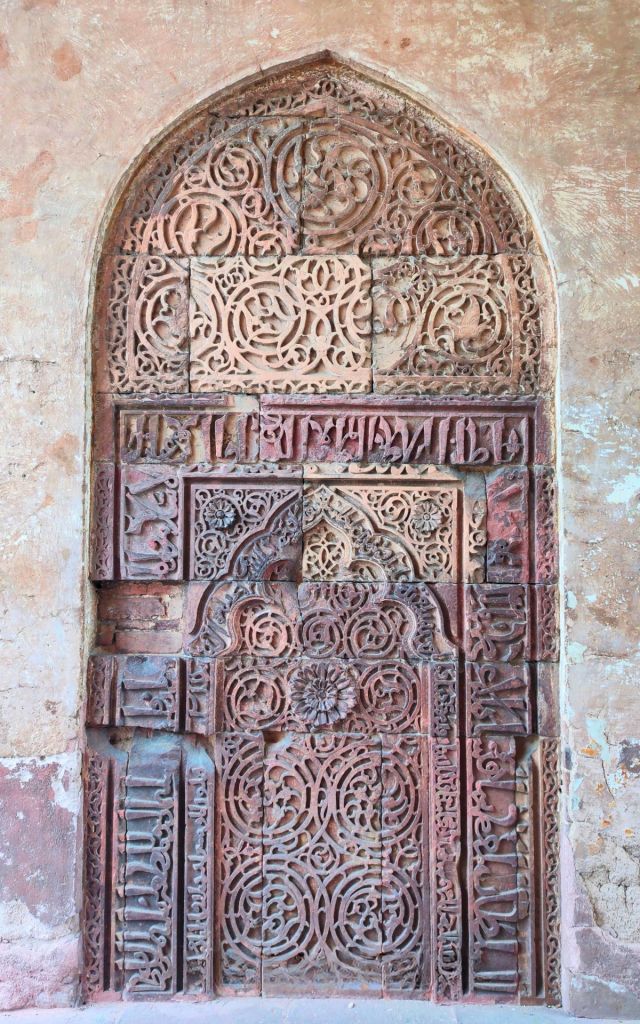
As is apt for any hall that houses artists, the Naqqar Khana is elaborately decorated. Unlike Islamic architecture in other parts of the world where motifs are strictly geometrical, Mughal architecture heavily incorporated natural themes, particularly flowers, in addition to traditional calligraphy.

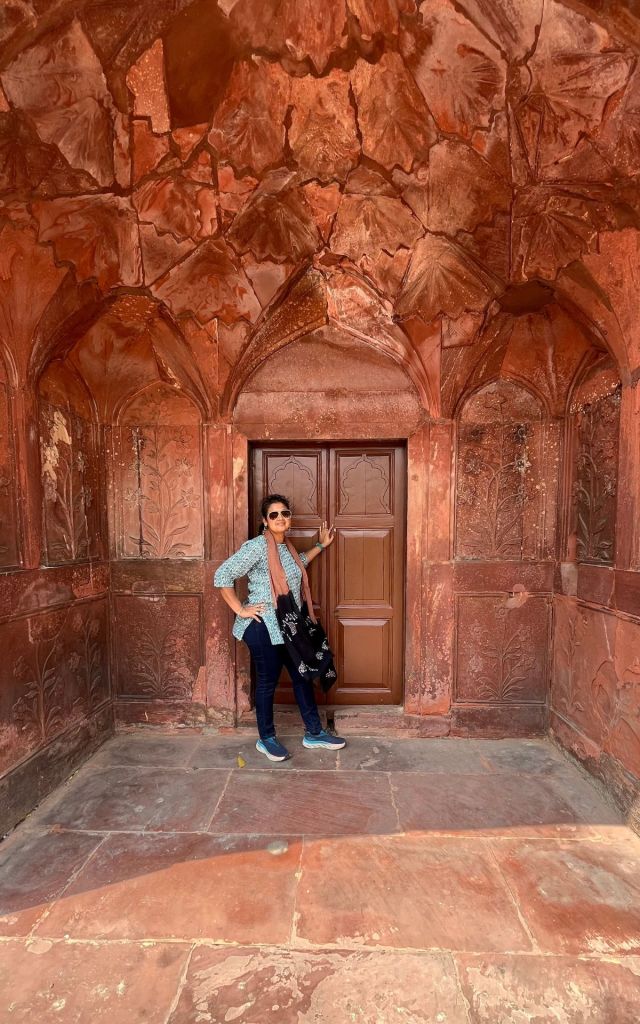
Here’s a closer look at the intricate details of the Naubat Khana at Red Fort.

Categories
Stories

The Bazaar Under the Dome


My only memories of the Red Fort are from school trips. And while India Gate, Qutub Minar and the Baha’i temple made quite an impression, I couldn’t quite remember anything about the Red Fort. Except that there was a very crowded market at the entrance that was a nightmare to get through.

So, when we learned that the India Art, Architecture and Design Biennale 2023 was held inside the Fort, I got excited. Finally, an excuse to fill in the memory gaps. 

Turns out, there really wasn’t much to fill in!

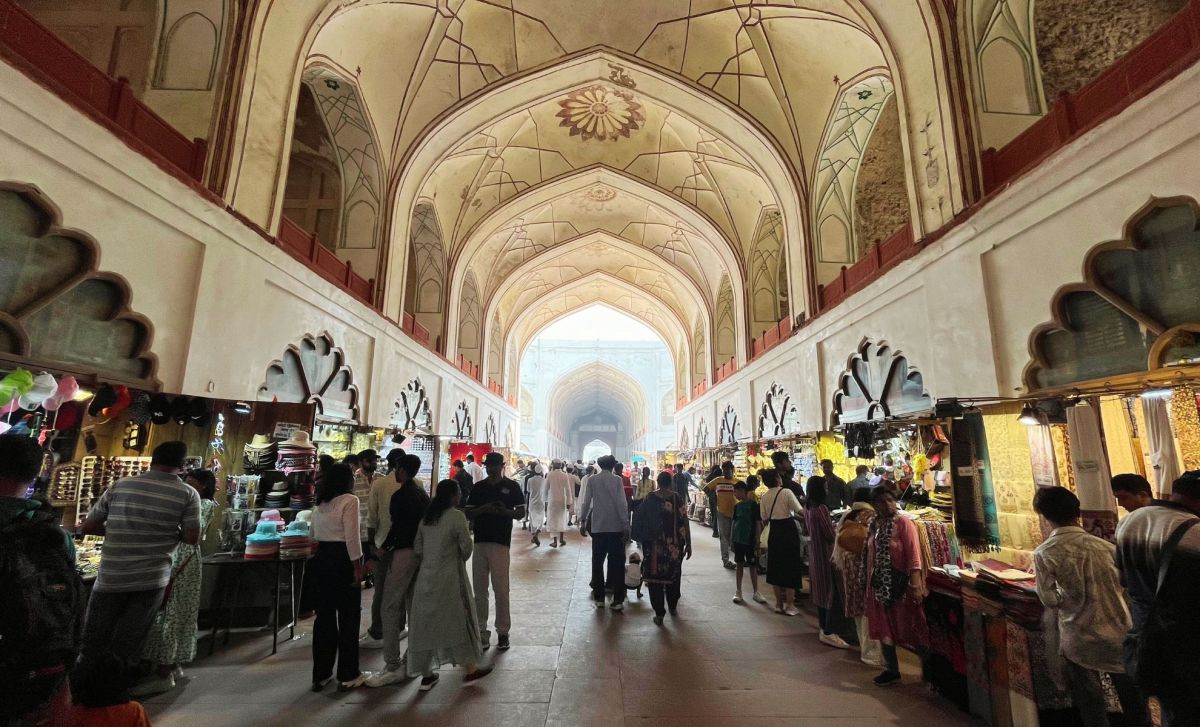
The Fort looked plain, barren and empty. A mere shell, in comparison to the mighty and rich forts of Rajasthan. The only exciting part of the monument: the bazaar! 

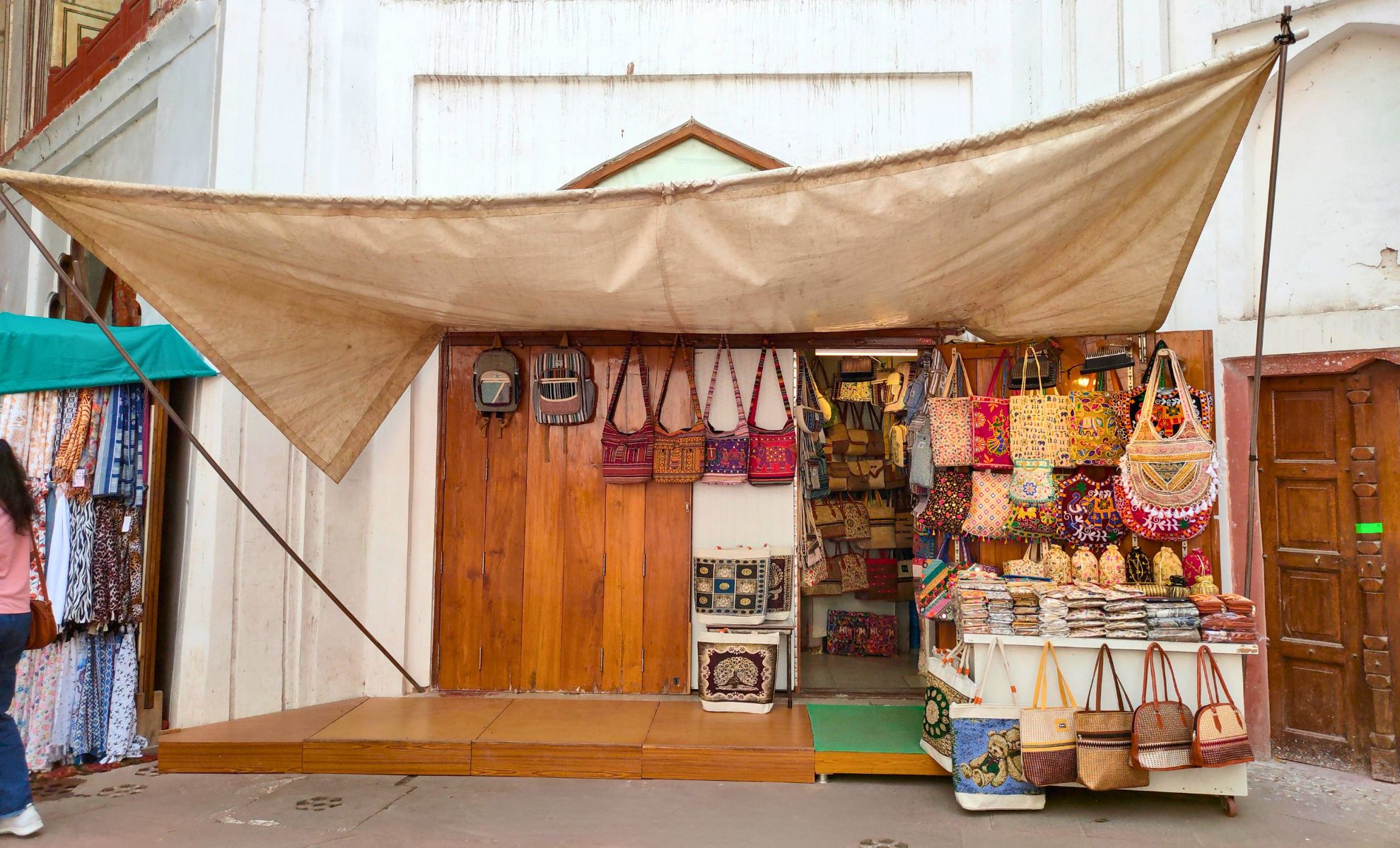
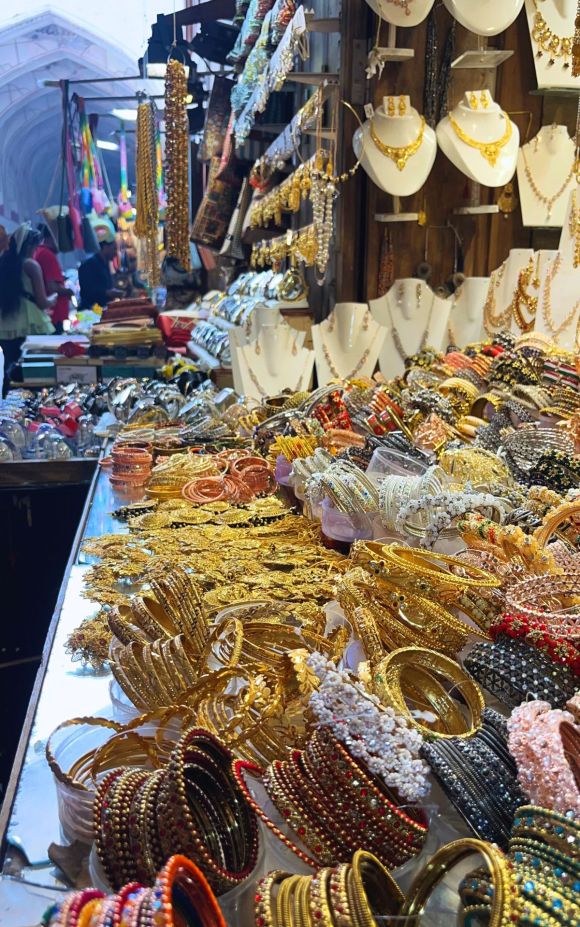
Called Chhatta chowk (translation: covered bazar), the 17th century market had the typical souvenir stalls. Glittering jewellery and carved statues, fridge magnets and stoles. Each shop full of shoppers examining the items with keen eyes.

As we moved closer towards one of the shops, a long line of school students crossed our path. Holding hands and forming a file to ensure no one gets lost. None of them was one bit interested in the wares.

As we waited for the students to cross, my thoughts went back to our school trip. It was boring and tedious for us, but it must have been a hundred times worse for our guardians—the teachers who accompanied us on those trips.


Originally posted on Instagram on 1 April 2024, this post is part of a series where I attempt to reverse social media—to reclaim my life from other platforms.

Categories
Miscellaneous

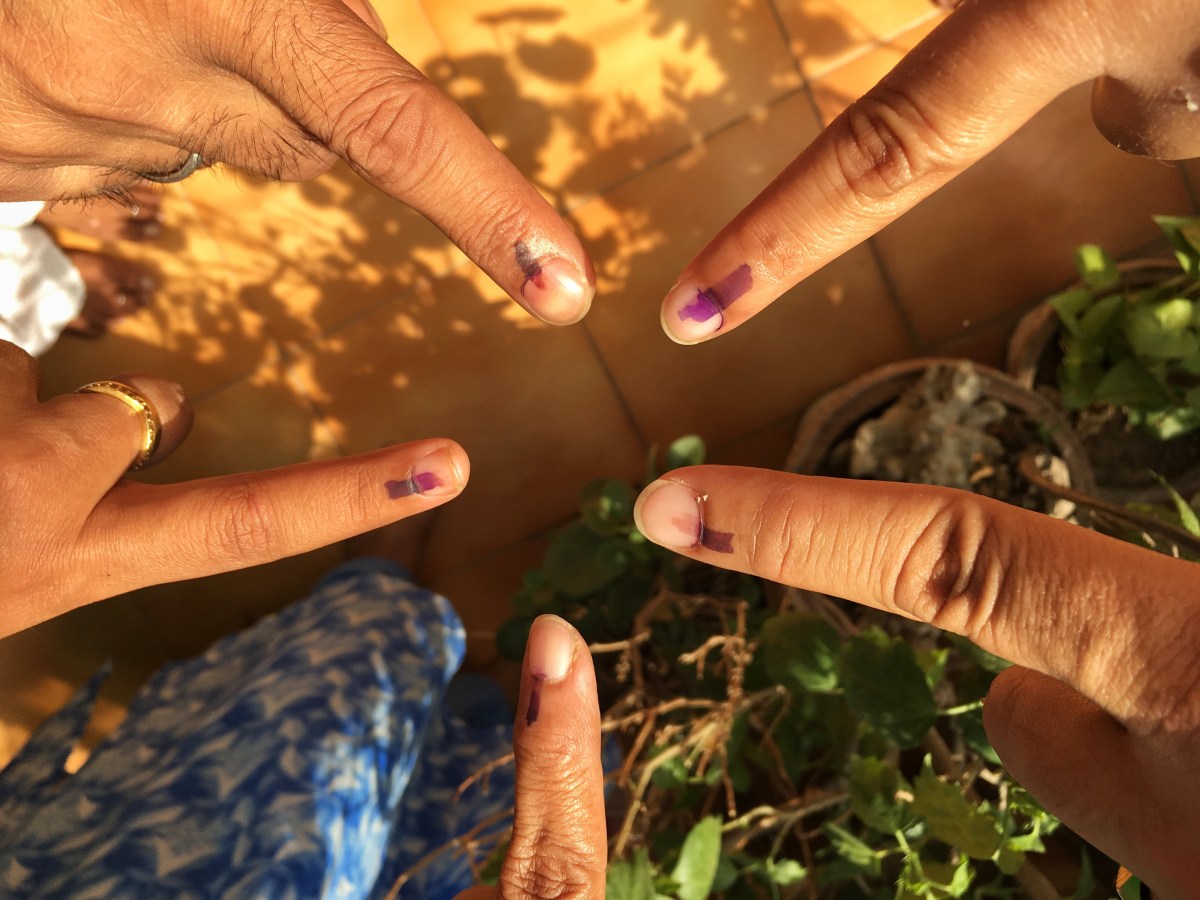
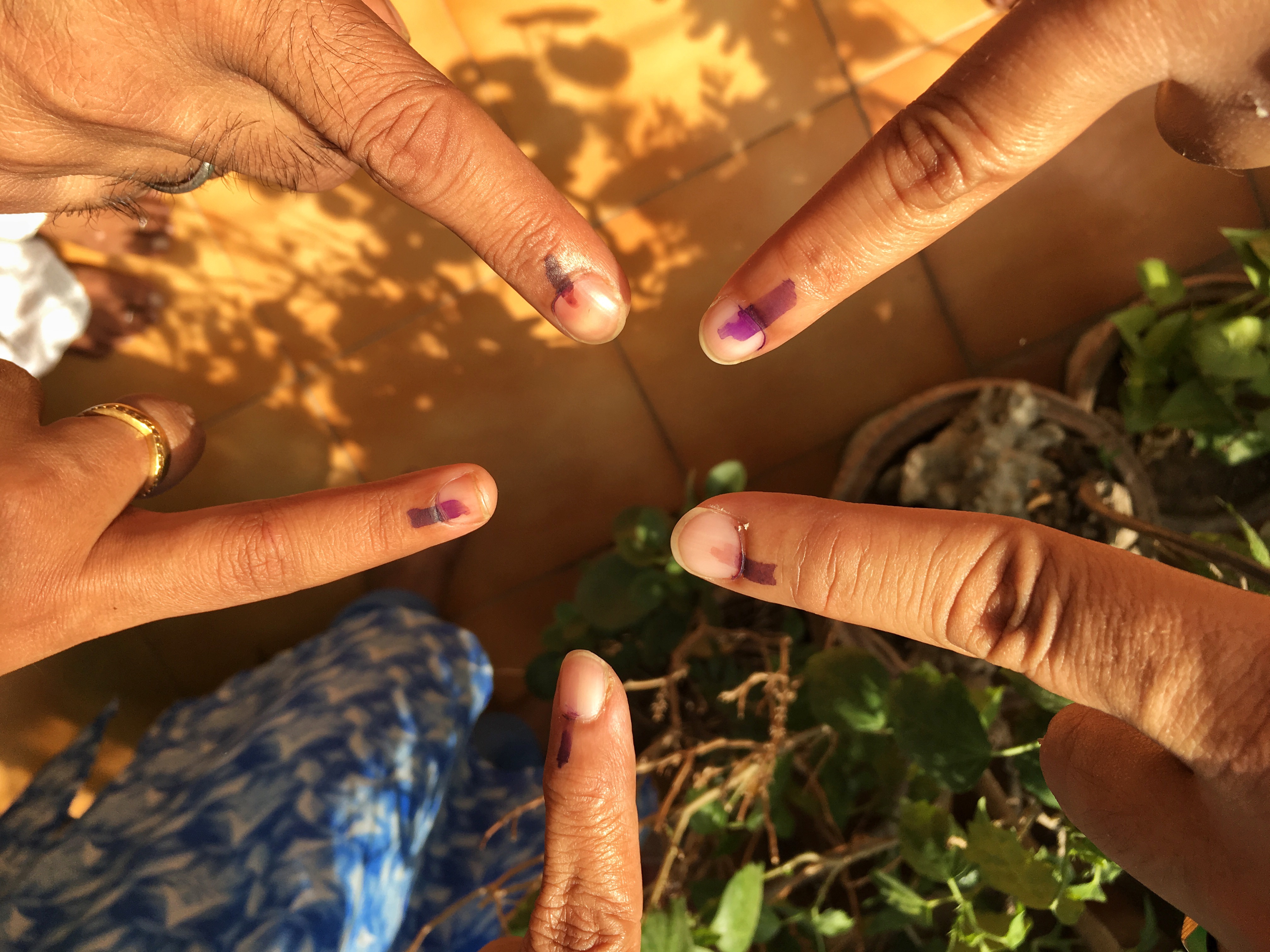
The family that votes together…


… (hopefully) keeps the country together.

It’s been a long, bitter and frankly, the most disgusting election campaign I’ve witnessed. We did what we could – by voting. Here’s hoping for harmony, unity and peace of mind.

Categories
Stories

You made my day!


As I make my way to the main road outside our home, I take a quick look at my watch.

Quarter to eight.

Dang! No time to walk.

It’s a Saturday morning. I should be lazing under the fan, pressing snooze on my alarm for the fifteenth time. But no time for wishful thinking.

There’s an auto rickshaw on the other side of the road. There’s not much traffic. I cross over as quickly as possible.

“Metro station!”

The driver nods and we don’t speak a word till he’s reached the station. Thoughts of the big day ahead, how ill prepared I feel, and the pressure I had been under for the past two weeks begin to overwhelm me.

I mumble a robotic thank you as the driver returns the change.

At the station entrance, I dump my bag on the x-ray machine and nervously glance at the train timings.

My sandals are slippery. I skid my way to the frisking area.

The lady with the metal detector looks at me and throws me off guard.

“Ma’am!” She squeals with delight.

“You are looking so amazing!” Her smile is big and genuine.

For an instant, my mind goes blank.

Oh my! Thank you so much! That is so very nice of you! You know, I was under so much stress. And I feel so much more relaxed now. You just made my day…

That’s what I want to say. I want to go on and on and pour my heart out to her.

But my throat is dry. I just about manage to blurt out a thank you, and a rehearsed “how are you?”

For what I lack in words, I try to make up by returning her wide infectious smile.

She says she is is fine, and I rush to collect my belongings.

I run down the stairs, as fast as my sandals allow. But I am late. The train doors close and it leaves the platform.

Sigh! Missed by a whisker.

The next train is 5 minutes away. I sit on the bench, take out my phone and stare at the smiling reflection on the black screen.

* * *

In the mad world where we are constantly running, racing against a faster, invisible opponent, towards an infinite goal, when was the last time someone smiled at you while doing their job?

More importantly, when was the last time you smiled for yourself?

Who made your day in the recent past? Whose day did you make?

Categories
Stories

The Tibet in Delhi


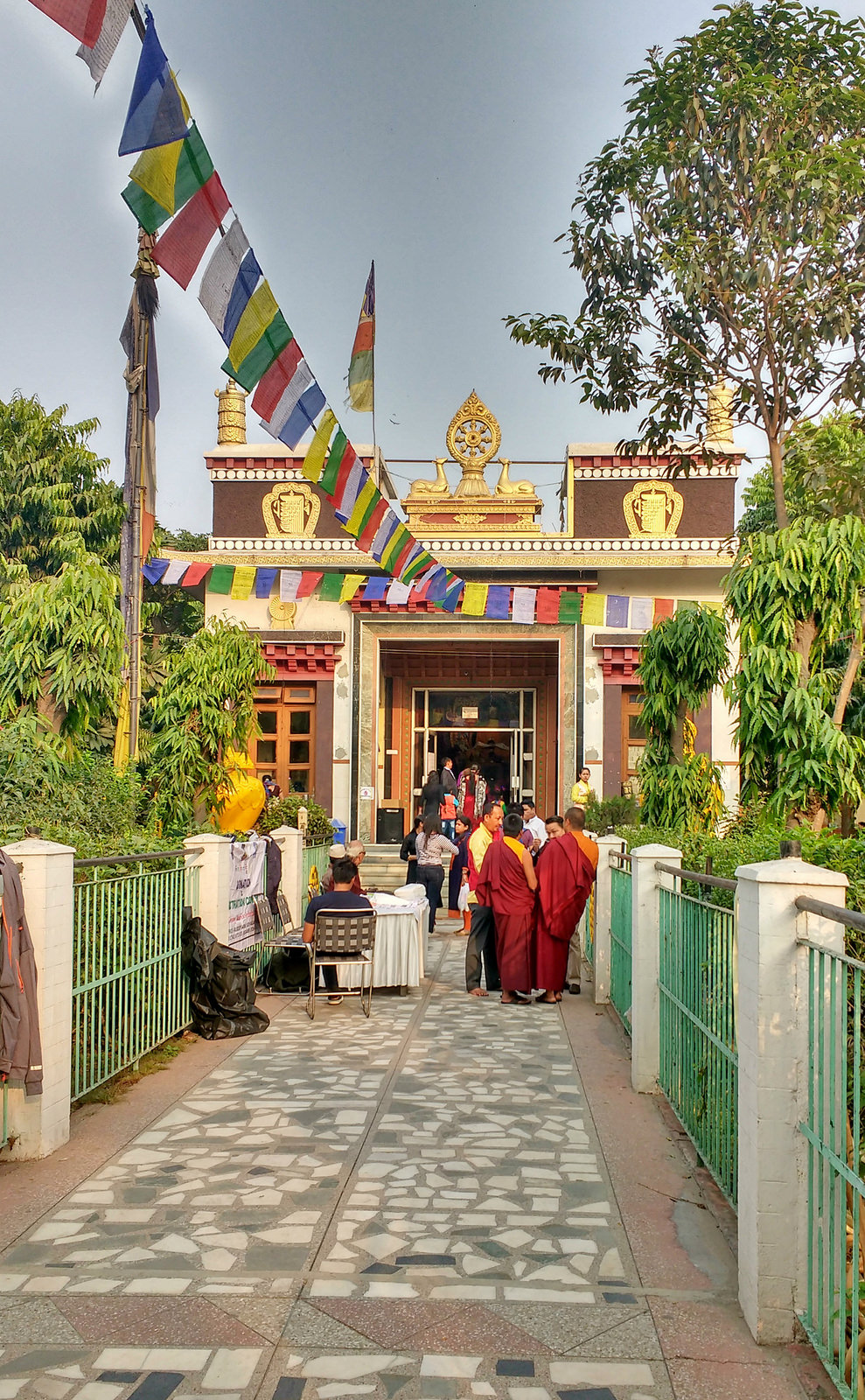
Earlier today, we visited Kashmere Gate. About a kilometer from the historical site is an old Tibetan refugee settlement. Within the settlement is a Tibetan monastery, and a thriving market, popularly known as the Monastery market. Our main agenda today was to visit this market. Despite the peak rush hour—Sunday afternoon—we managed to explore the shops and lightened our wallets a bit (okay, make that a lot!)

My real aim today, though, was to visit the Monastery. The Tibetan Monastery has been on my wishlist of places to visit for almost two years now. Despite having lived for over two decades in this city, I had no idea of its existence, until early last year, when I asked a Buddhist colleague of mine where she went to pray.

Having come all the way to the market, we made a quick stop at the Monastery. It may not be as large or grand as the ones in the traditionally more popular Buddhist cities, but it was every bit spiritual.

Tibetan Monastery, Delhi

We admired the seated Golden Buddha, and for a change, we took no photos of the interiors. There were many devotees, several of whom were dressed in traditional attire; and we felt it would be insensitive to behave like crazy tourists. We turned to leave, when a middle aged gentleman stopped us. “Have you taken the prasad (sacred offering)?” he asked us. And then quickly went inside and brought our two cloth bags and gave them to us.

We asked if it was a special day. Indeed, it was. It was the third, and last day of an annual fast, and an auspicious day, that we had happened to visit. Lucky coincidence, or divine intervention? I’ll leave that question alone; the world works in mysterious ways.


Photo taken with a Moto G3, edited with Befunky. Click/tap to enter my Flickr Photostream and Instagram feed.


This is post #19 in this year’s NaBloPoMo, or as Ra calls it Nano Poblano

NaBloPoMo = National Blog Posting Month = Thirty straight days of blogging

Categories
Miscellaneous

Weekly Photo Challenge: Mirror


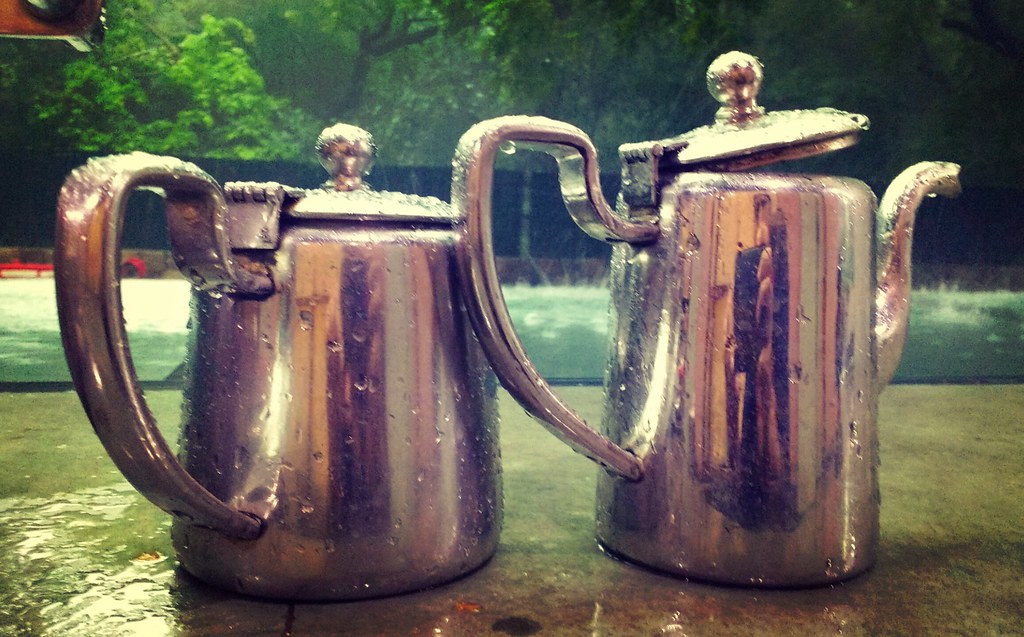
When it rains, there is nothing better than sitting by the window, sipping tea in the company of a friend.

Kettle Couple

These kettles seem to mirror that thought – as well as my hand!


For other reflective imagery, bounce over to this week’s photo challenge.

Grainy phone image edited on the Befunky Android App

Categories
Musings

If winter is here…


Delhi’s winters used to be chilly*, with icy weather in the peak season of mid December to mid January. But over the past few years, the winter season has become shorter and shorter – no thanks to global warming. This year was a huge disappointment. The New Year was exceptionally warm with many people giving woollens a pass.

The harvest festivals (Lohri/Makar Sankranti/Pongal etc), which usually fall on the 13th-15th of January every year, mark the end of winter and the beginning of Spring. Even as we prepared to celebrate, the lack of a proper winter was a bit sad.

Perhaps the thick air carried our dejection, and precisely one day prior to the ‘official’ beginning of spring, winter finally showed up in full swing. The cold wave has been here for well over two weeks now, and seems in no mood to leave in a hurry!

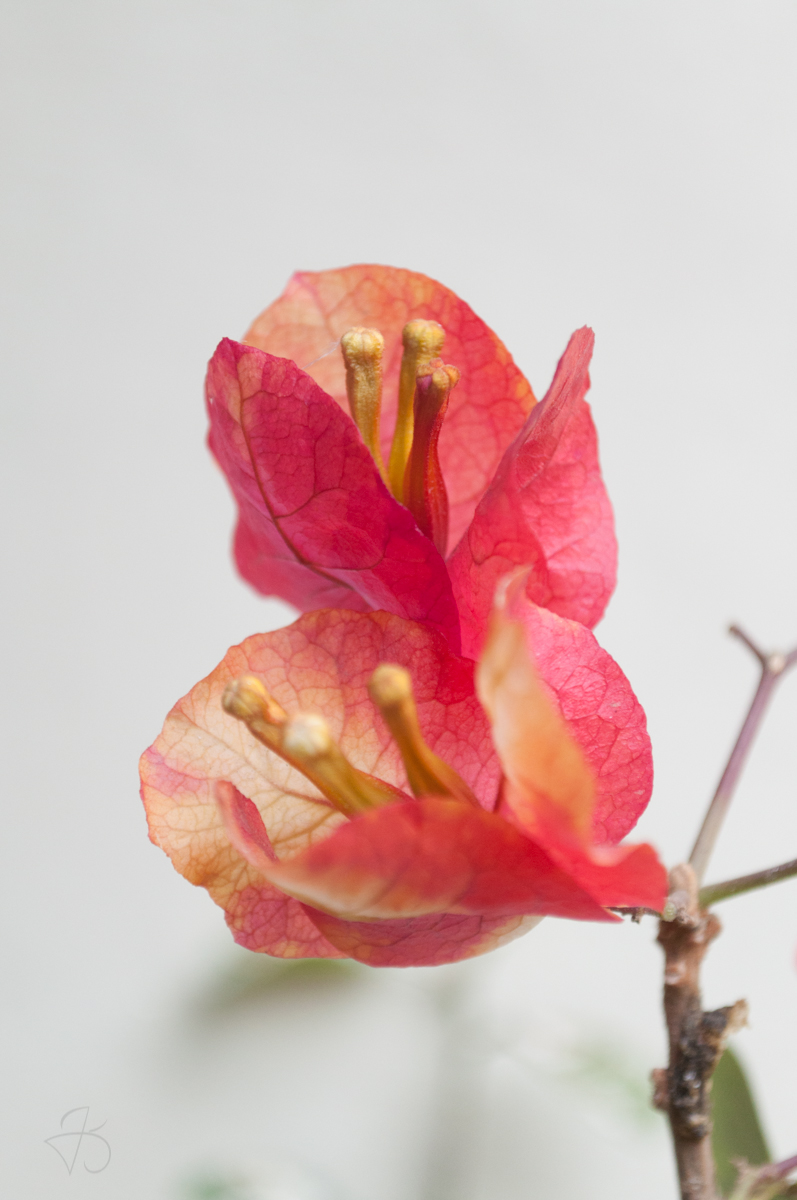
Meanwhile, the bougainvillea plant in our balcony seems to follow a different calendar altogether. Even as the other plants geared up to brace the winter chill, this plant began flowering for the first time in our home last autumn. Throughout the season, there hasn’t been a single day without a shade of pink amid the grey haze and fog.


On a lazy Sunday morning, I peep out from under the rajaai**. The curtains are only half drawn – there’s no need for them. The fog and frosted glass guarantee privacy. And the sun hasn’t been showing up for work for a few days. I coerce myself to get up, if only to wish my friend. I walk up to the balcony door. It’s all white and grey. A few plants are struggling to keep warm. Most of their leaves have dried and fallen. But one thorny plant stands there defiantly. I step out gingerly and wish her a good morning.

She wishes me in her own way. It’s cold for both of us and she doesn’t mind me going back inside. As I turn around, she smiles knowingly.

If winter is here, can spring be far behind?

bougainvillea
Hope ‘springs’ eternal – even at 5 degrees C!

* No, we don’t have snowfall or blizzards but day time temperatures of 7 degrees C are quite ‘normal’

** a thick blanket, usually stuffed with cotton

For more optimistic pictures, gather around the cozy fireplace of The Daily Post.

Categories
Hobbies

Weight(less)


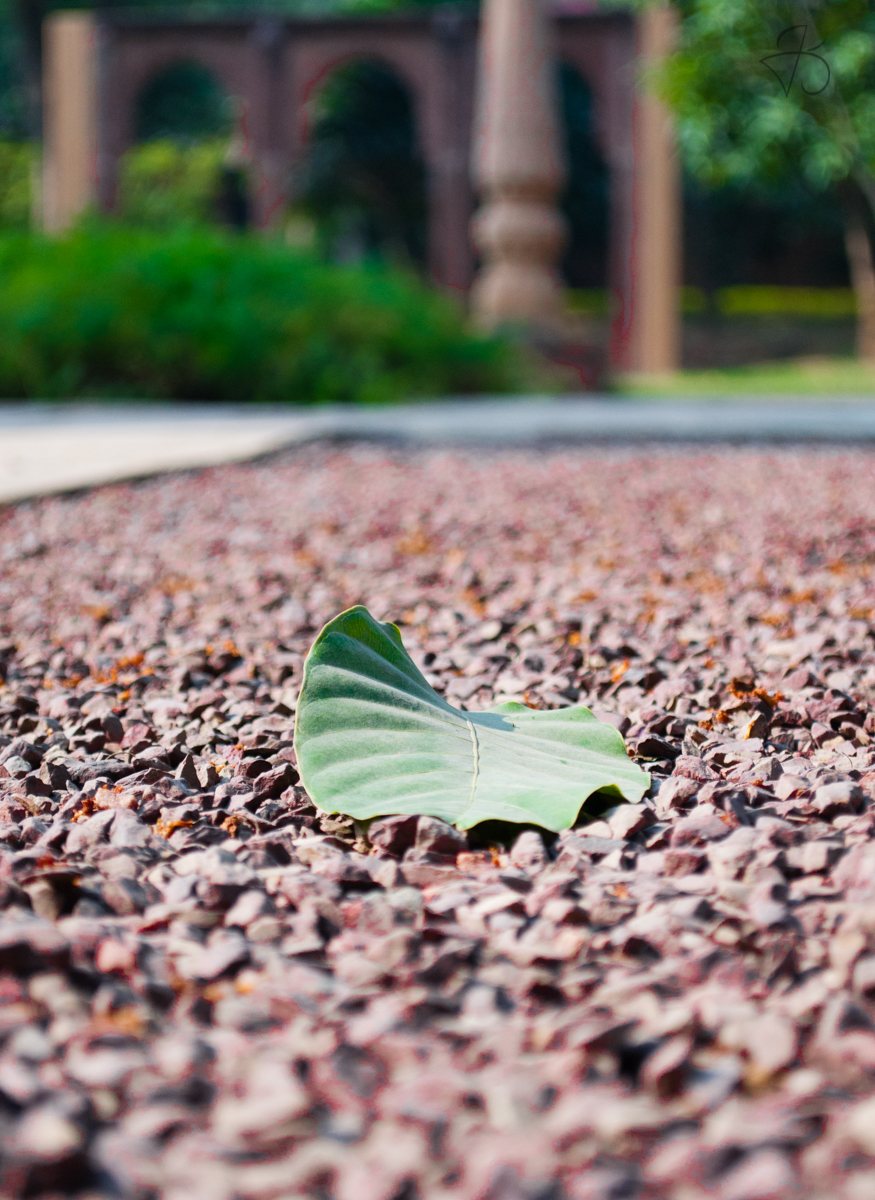
This week’s weighty photo challenge had me jumping with delight. A perfect excuse to share this picture I took at Anandagram last month.

Anandagram offers a beautiful and serene environment to visitors. It houses 3 private museums housing traditional Indian household objects, terracotta and textiles from across the country. The buildings, styled like traditional houses, are surrounded by vast manicured lawns with discarded objects turned into art installations! Kept spotlessly clean, this leaf was about the only item which ‘littered’ the place – and it too was pretty 🙂

leaf_on_the_ground

Categories
Miscellaneous

Incoherent poetry


No matter how late it might get
No matter where I am,
I’ve learnt the hard way;
It’s wise to take public transit
And avoid the traffic jam.


I knew the traffic was bad. But I never expected the roads of Delhi to be so bad. Today it took me two hours to travel a distance that should have been 15 minutes. But coming to think of it, traffic has its place in levelling the field. In a city that likes to flaunt its premium wheels, public transport actually ends up being a better option. And a pedestrian can actually be faster than the fastest car on the road!

The traffic isn’t doing any good to my blogging or writing skills, though.


nanopoblano2015lightThis is post #26 in this year’s NaBloPoMo, or as Ra calls it Nano Poblano

NaBloPoMo = National Blog Posting Month = Thirty straight days of blogging