Categories
Stories

Indian Ink


Growing up in a newly liberalised India, I watched a lot of American sitcoms. Most shows were reruns of old seasons. The exception being the last season of Friends which aired only a day after the US release. It was through these shows that I learned to associate tattoos with a certain persona. And that persona was not remotely Indian or tribal.

It was only after I left the bubble of the community in which I grew up, that I learnt how tattoos were commonplace in rural areas of the country—especially family names and religious symbols like ॐ (aum). But it wasn’t as glamorous as the tattoos I saw on foreigners.

A few years ago, I learned about the Māori practice of Tā moko through a wonderful (and particularly rage-inducing) podcast titled Stuff the British Stole. Tā moko tattoos looked beautiful. That they held deep meaning and weren’t just superficial marks to look cool, made them even more majestic. No wonder the tattoo artist was considered sacred.

It’s funny how I was more aware of tattoo practices outside India than our own. Fortunately, that changed recently, during the India Art, Architecture and Design Biennale 2023.

Much like the Polynesian countries where tattooing different parts of the body holds meaning, tribes in central India too ink themselves with meaningful patterns and motifs.

Godna: Digging into Tradition

Godna is popular in tribal societies, particularly in the areas of Rajanandgaon and Surguja, Chattisgarh, Dindori, Madhya Pradesh and Madhubani in the Mithila region of Bihar.

My investigation into Godna led me to this short film by Shivam Vichare that shows the materials and motifs popularly used in the Baiga tribe in Dindori.

Using kajal (soot collected by burning herbal oil) and needles, ladies mark their bodies at various stages of life. Girls from the community must have their foreheads tattooed as preteens to be accepted into the tribe. Tattoos on the chest are made post marriage and childbirth.

Mangala Devi explains the meaning of some of the motifs—a form of prayer for the individual and family’s wellbeing. One pattern for the chest represents the beehive. Just as the beehive is dripping with honey, so may the home be full of nectar. Diyas on the knees signify light in their lives. And the bull’s eye is for the wellbeing of the cattle, so that they may plough the fields.
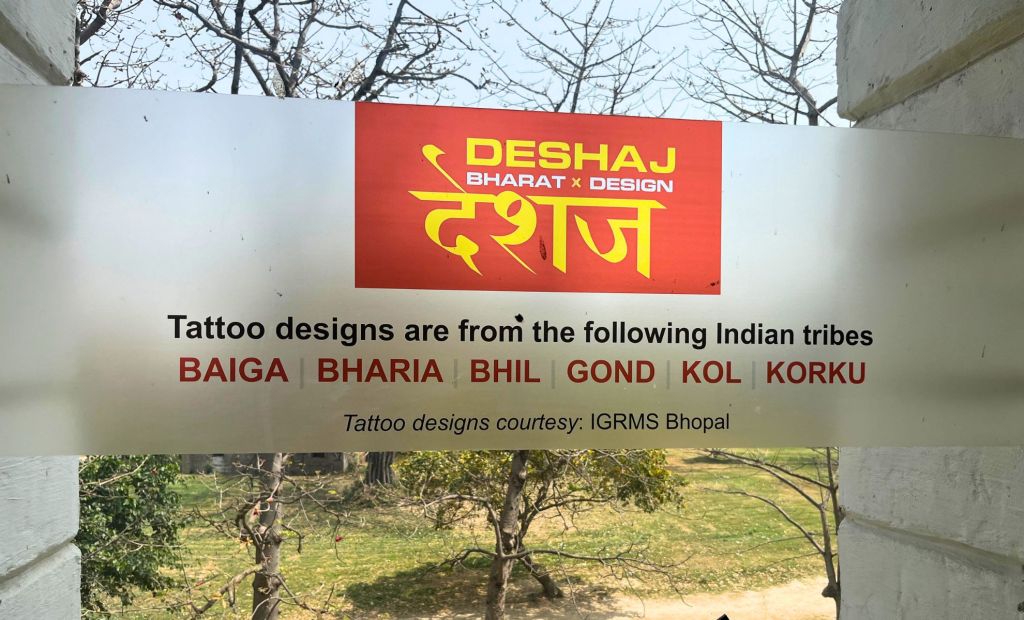
Like the Baiga Tribe, the Bharia, Bhil, Gond, Kol and Korku tribes hail from central India—home to some of the world’s oldest prehistoric cave paintings.

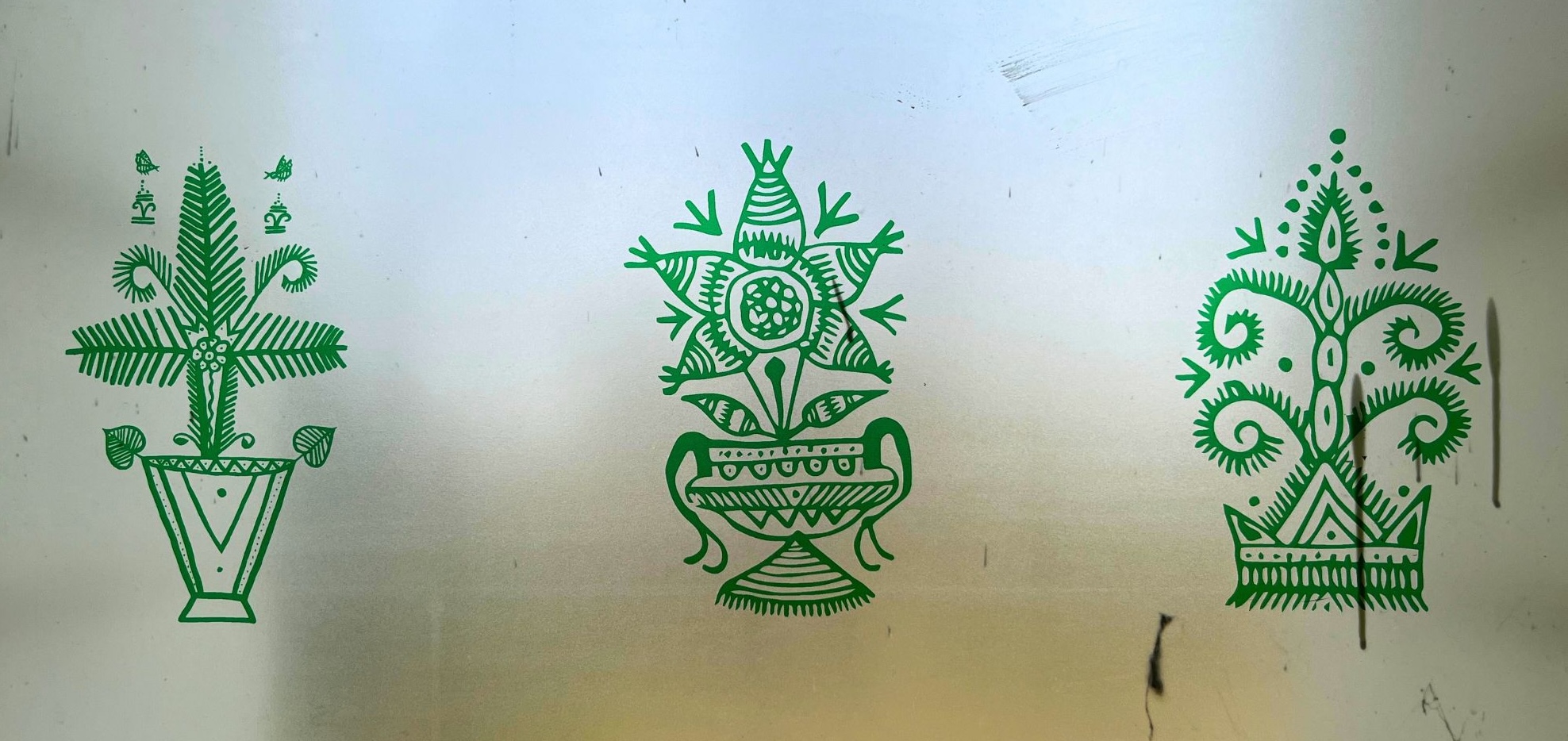
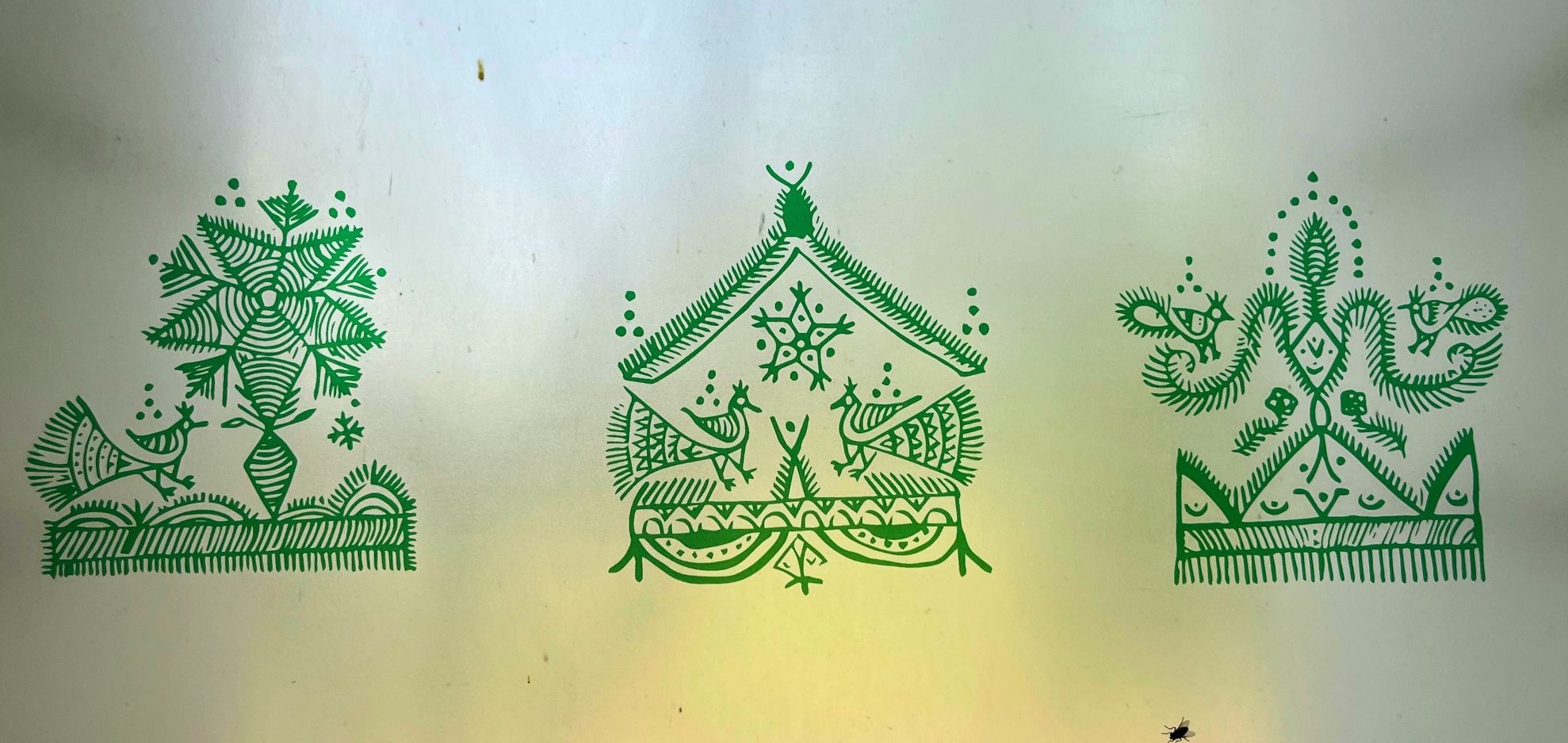
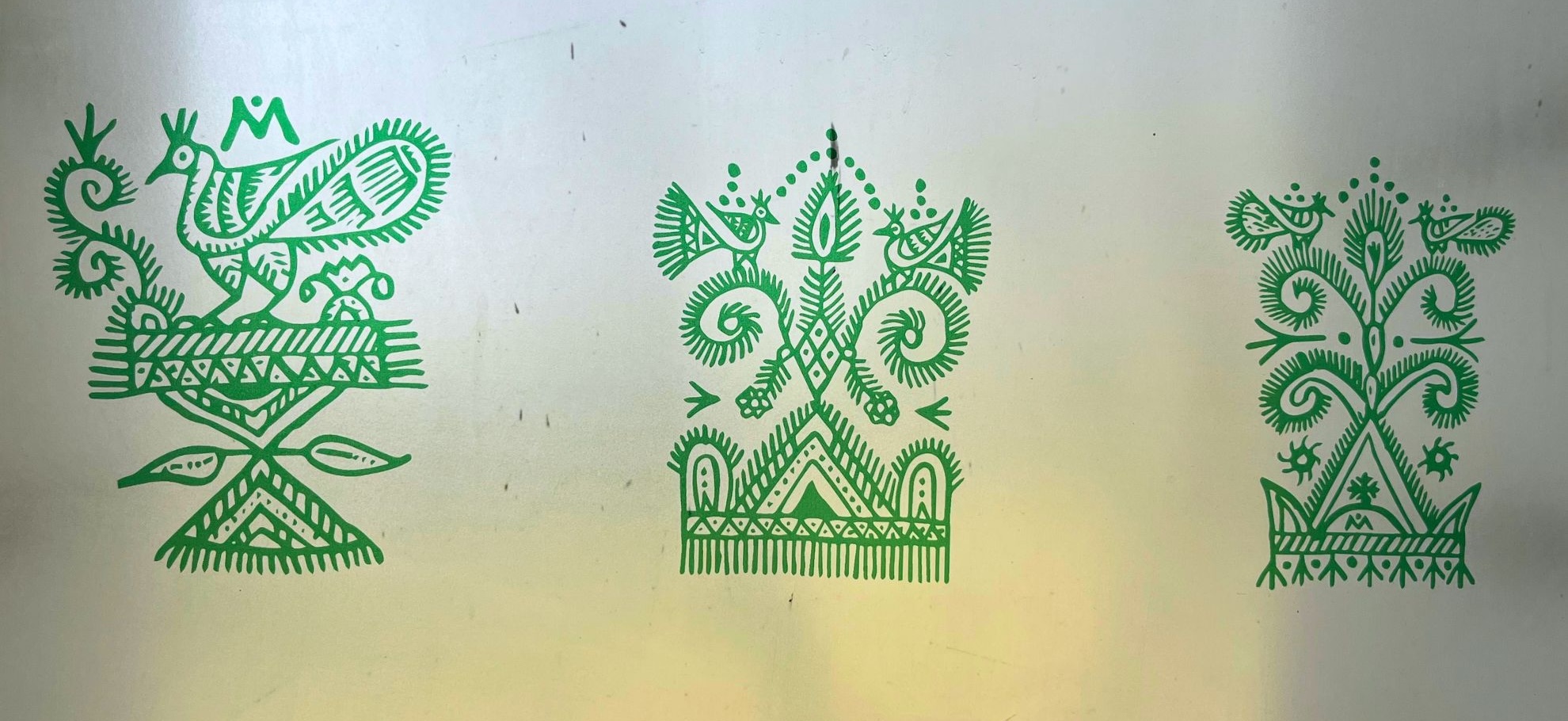
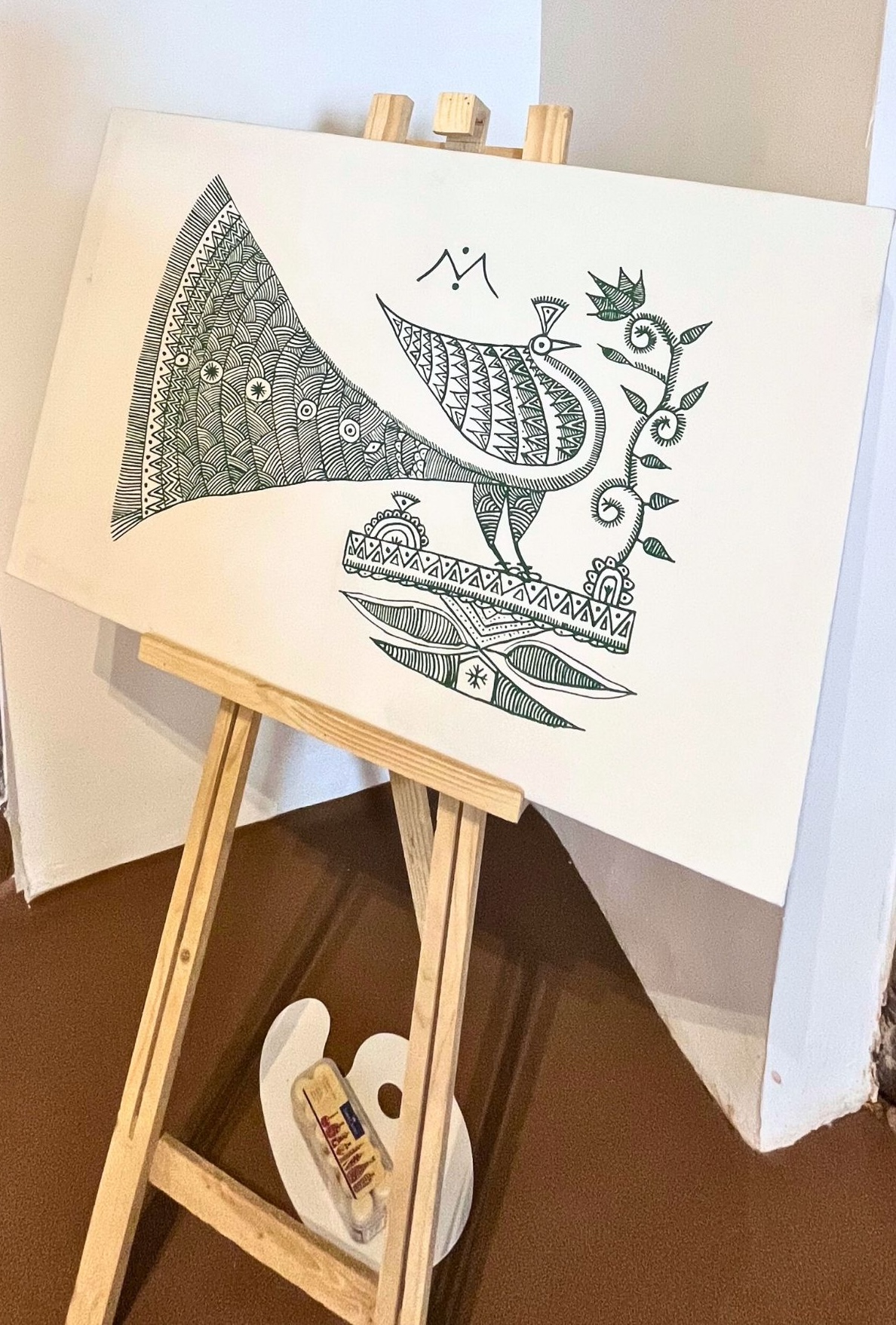
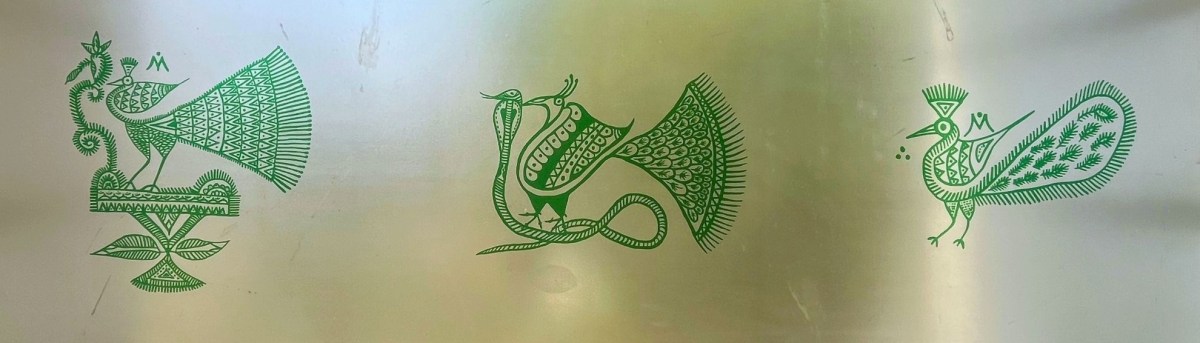
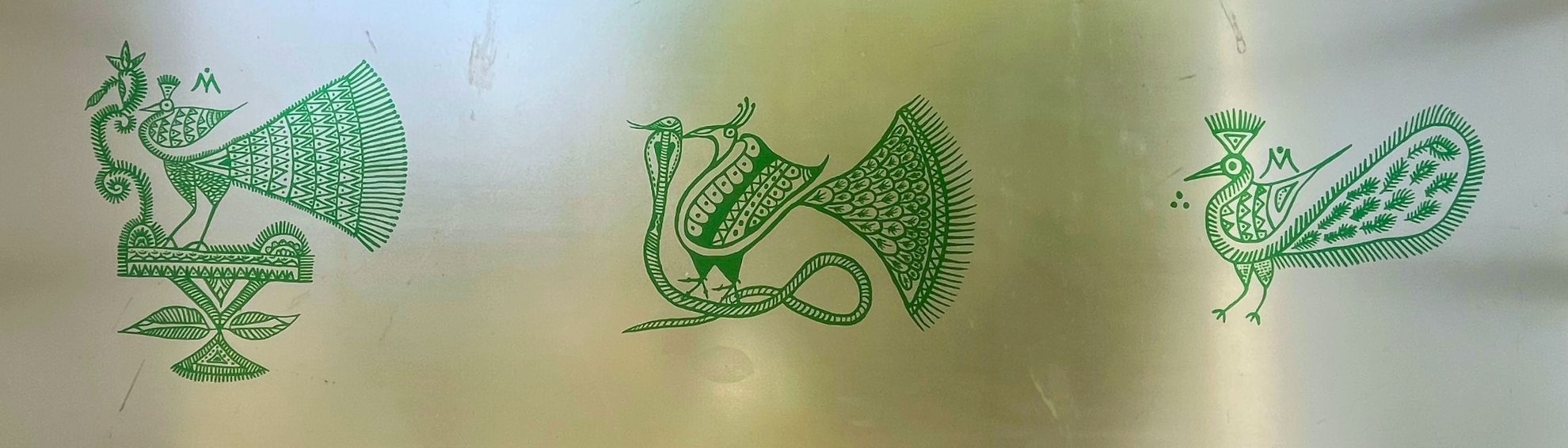
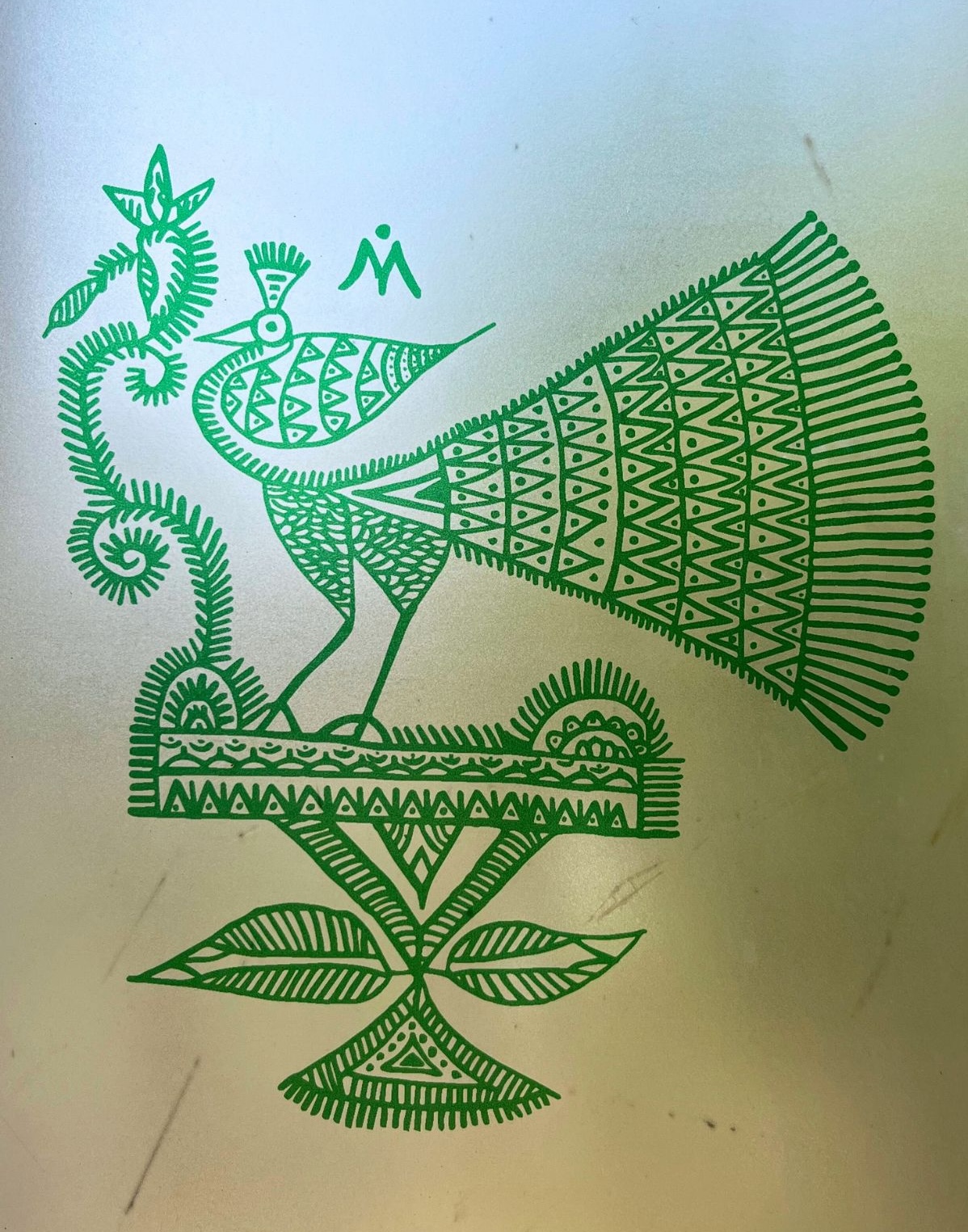
Many of the motifs used in Godna and other folk art are elements from nature. Expressed in simple line art, these symbols were created by the earliest graphic designers.

On display at the Biennale were some patterns from the collection of Indira Gandhi Rashtriya Manav Sangrahalaya (also referred to as the National Museum of Humankind, or Museum of Man and Culture) in Bhopal.

I don’t fancy myself ever having the courage to get permanently inked, but these patterns are beautiful and definitely worth ogling over. Enjoy!
Categories
Stories

Studio Perfect


Packaging cartons collapsed into sheets line the lofts in our apartment—set aside for that dreaded day when we’ll eventually have to move out. Little nooks and corners stare at me. Some of the empty spaces immediately scream at us, “Look at how much space is wasted!”

Living in a rented apartment, we have little control over what modifications we can make. Certainly, with the way rents are rising, we wouldn’t spend our money revamping someone else’s home! But that doesn’t stop us from dreaming.

We snap pictures of ideas we like and save Instagram posts related to sustainable home improvement. Whether we’ll ever use them is anybody’s guess!

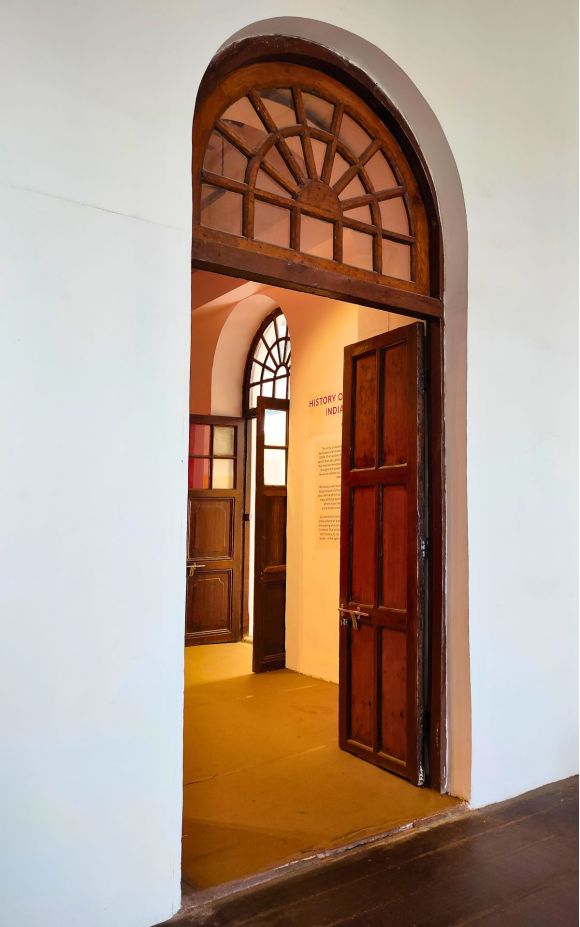
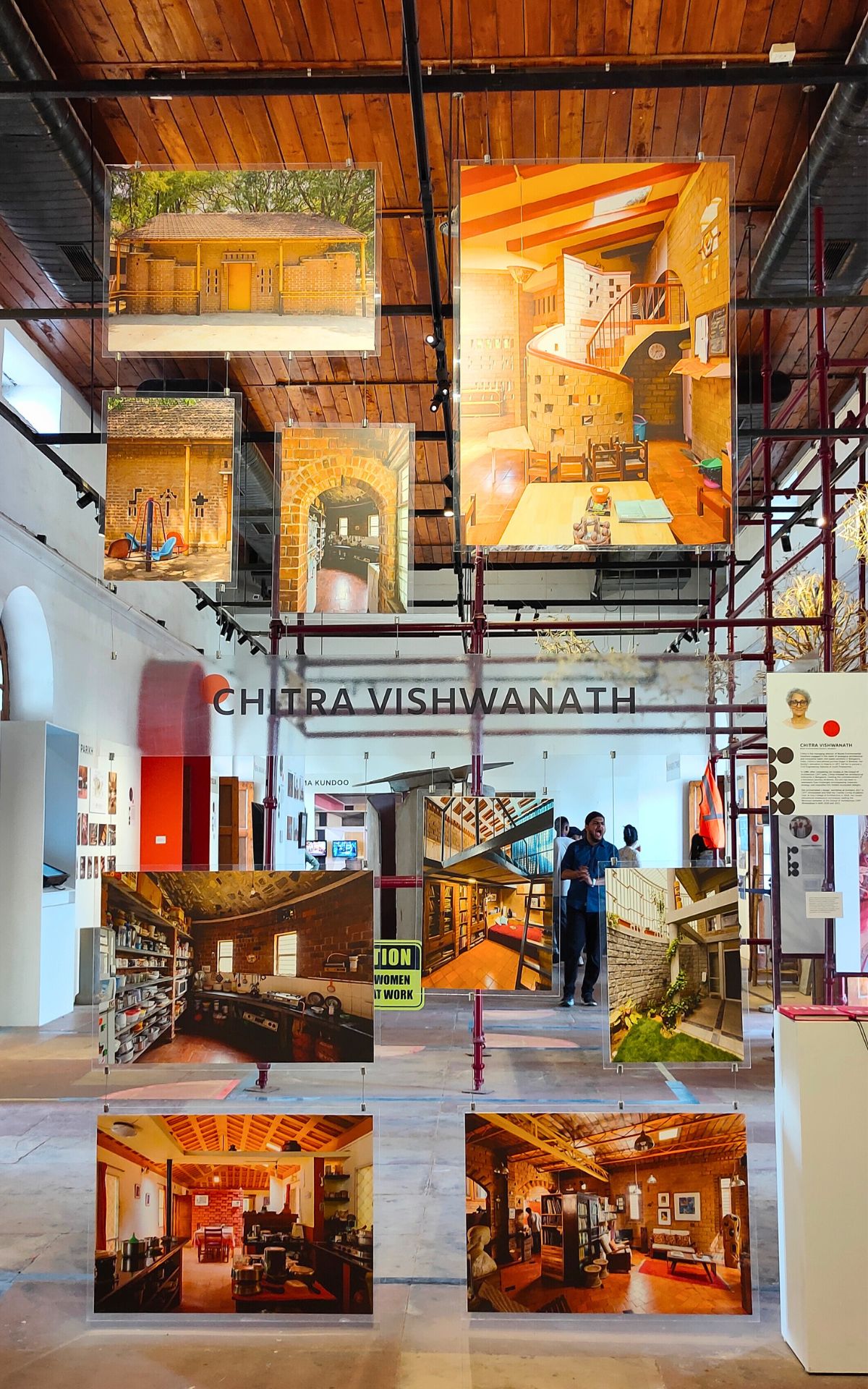
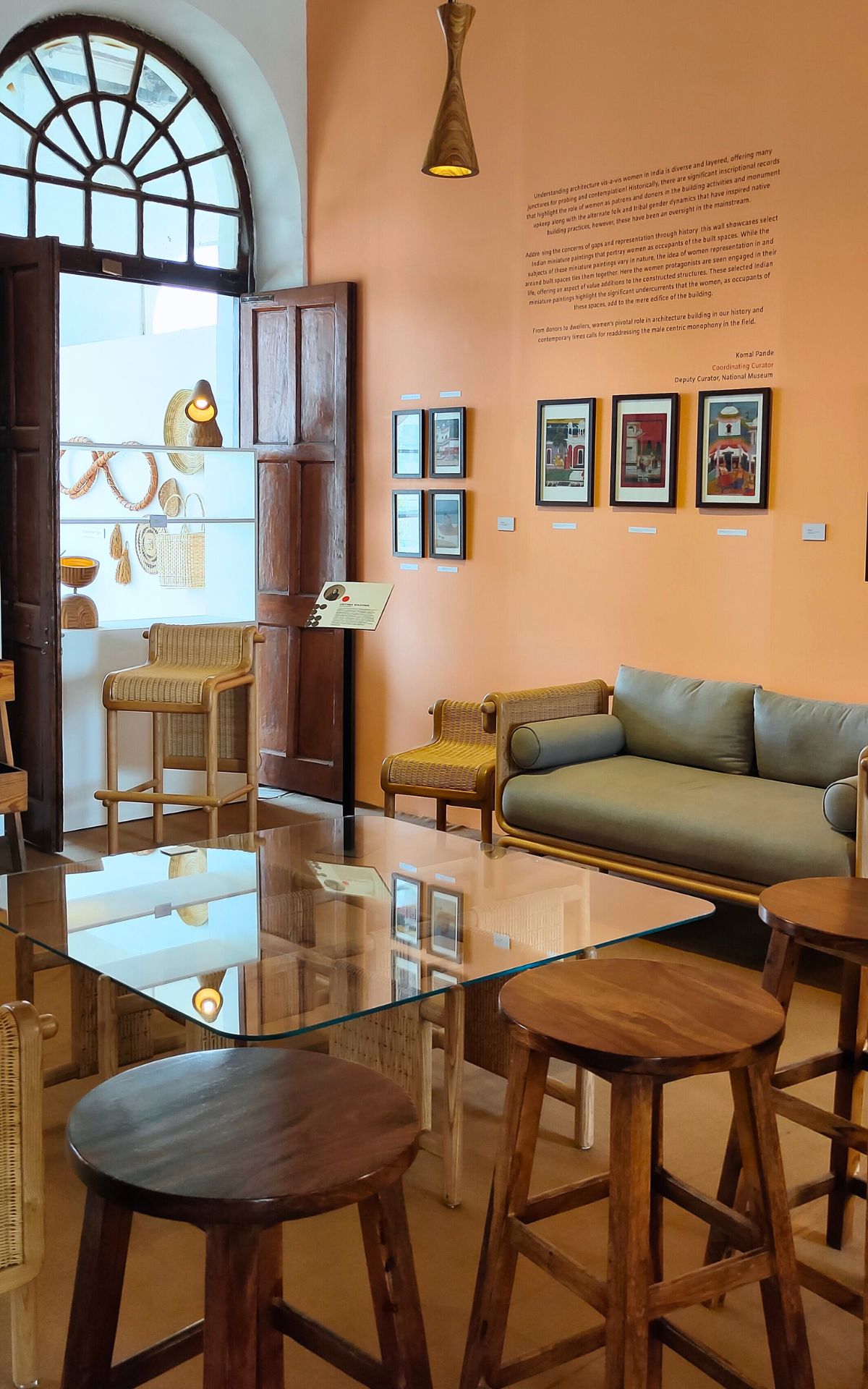
The Samatva pavilion at the India Art Architecture and Design Biennale 2023 was one such inspirational visual feast. On the outside, the pavilion was a stony medieval building. The entrances to the rooms within seemed to have been renovated in colonial-style arched doorways. But the exhibits within had a warm, welcoming feel.

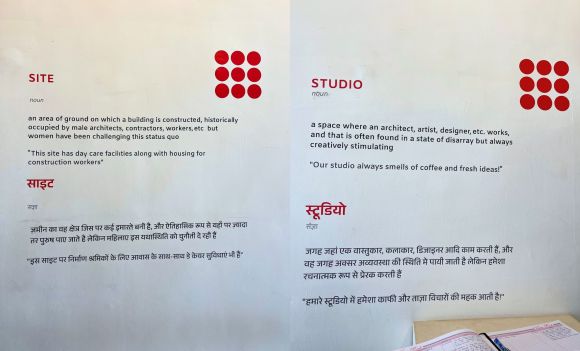
Of the entire exhibition, spanning 7 pavilions, Samatva was the one that was the most intentionally designed, explaining to the layperson what the terms mean.

Site: an area of ground on which a building is constructed, historically occupied by male architects, contractors, workers, etc. but women have neem challenging this status quo.

“This side has day care facilities along with housing for construction workers.”

Studio: a space where an architect, artist, designer, etc. works, and that is often found in a state of disarray but always creatively stimulating.

“Our studio always smells of coffee and fresh ideas!”

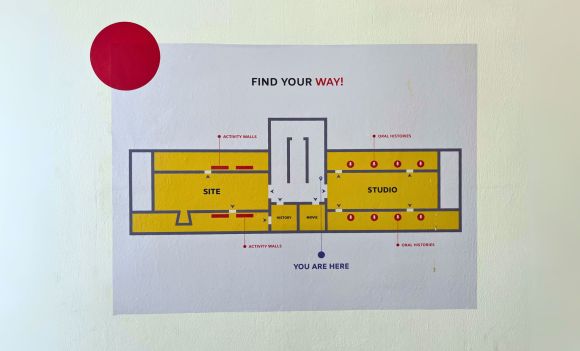
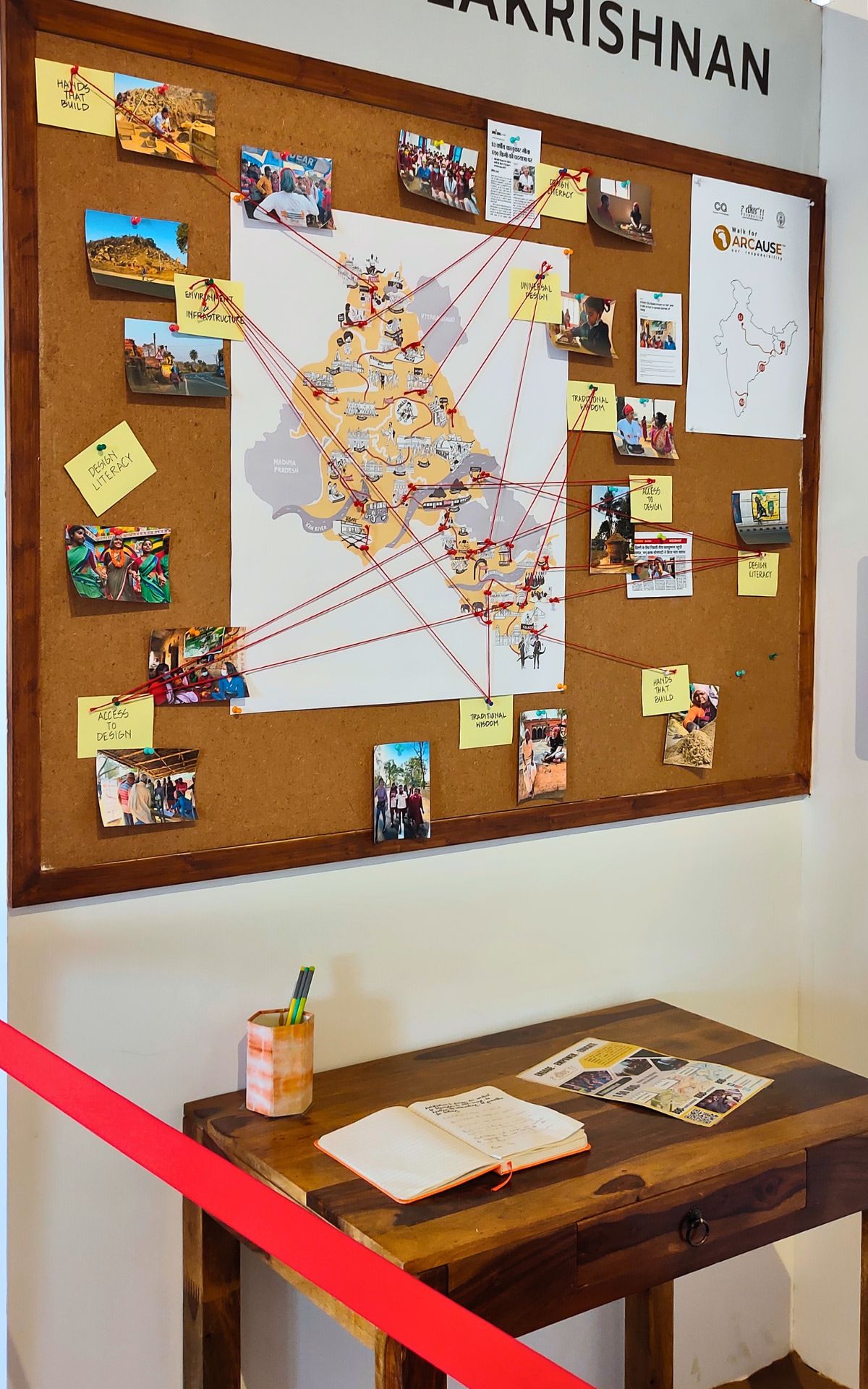
And yes, of course, there was a map!

Binding all the exhibits was a common design element—the red dot.

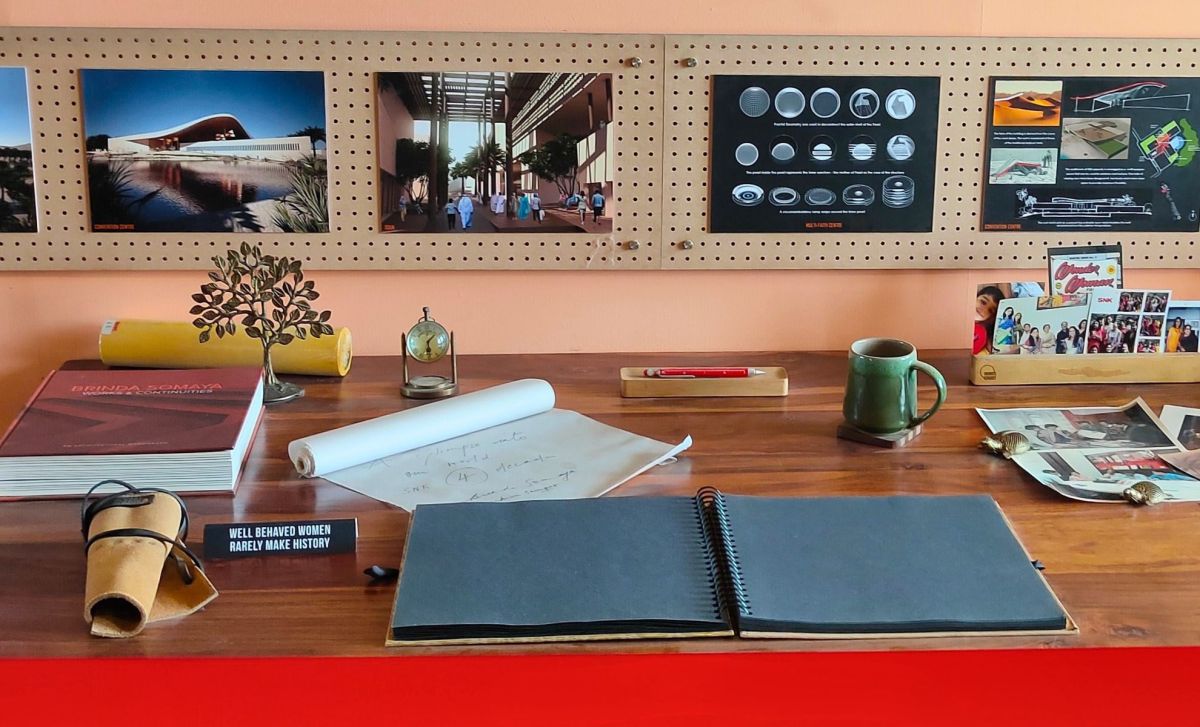
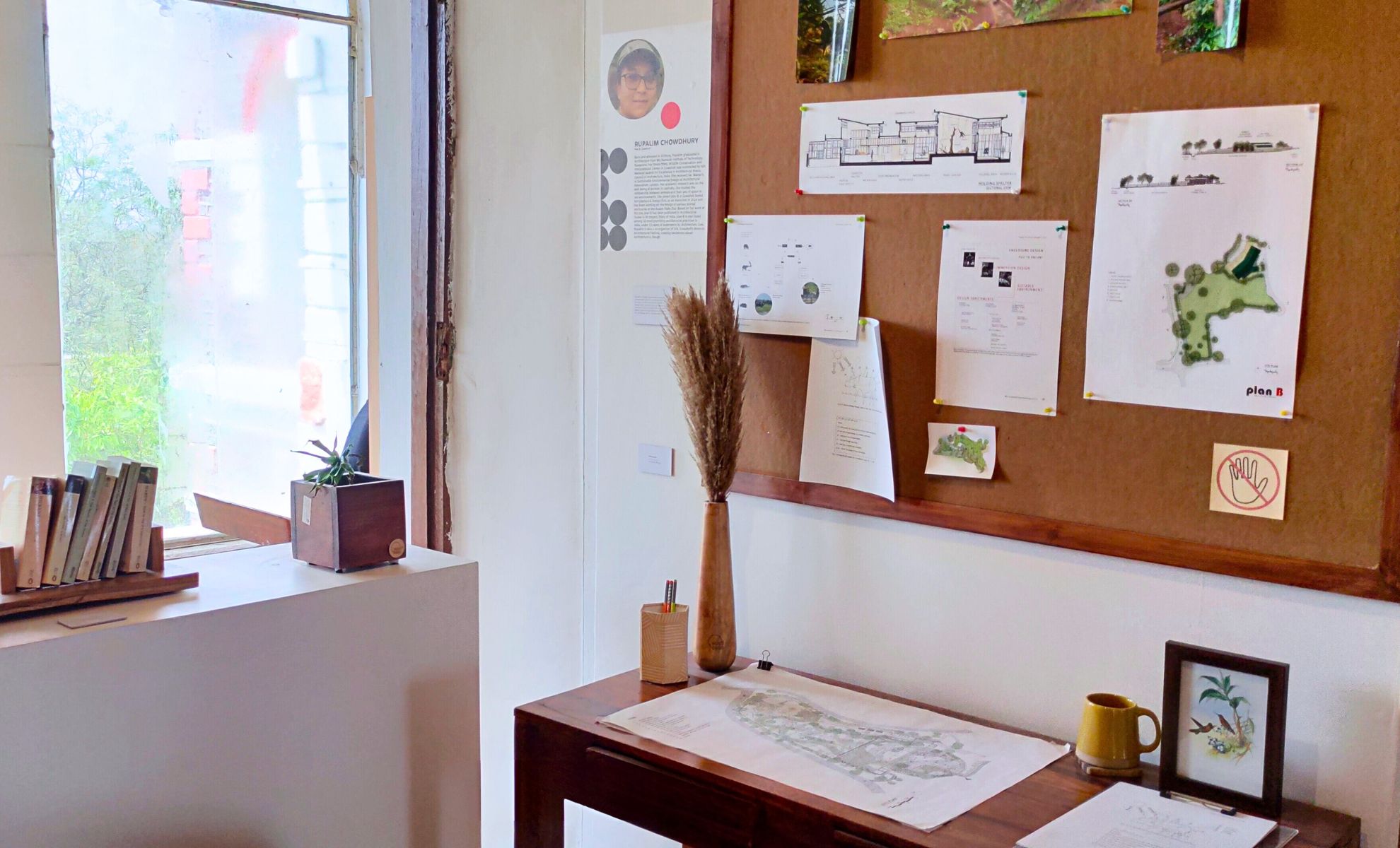
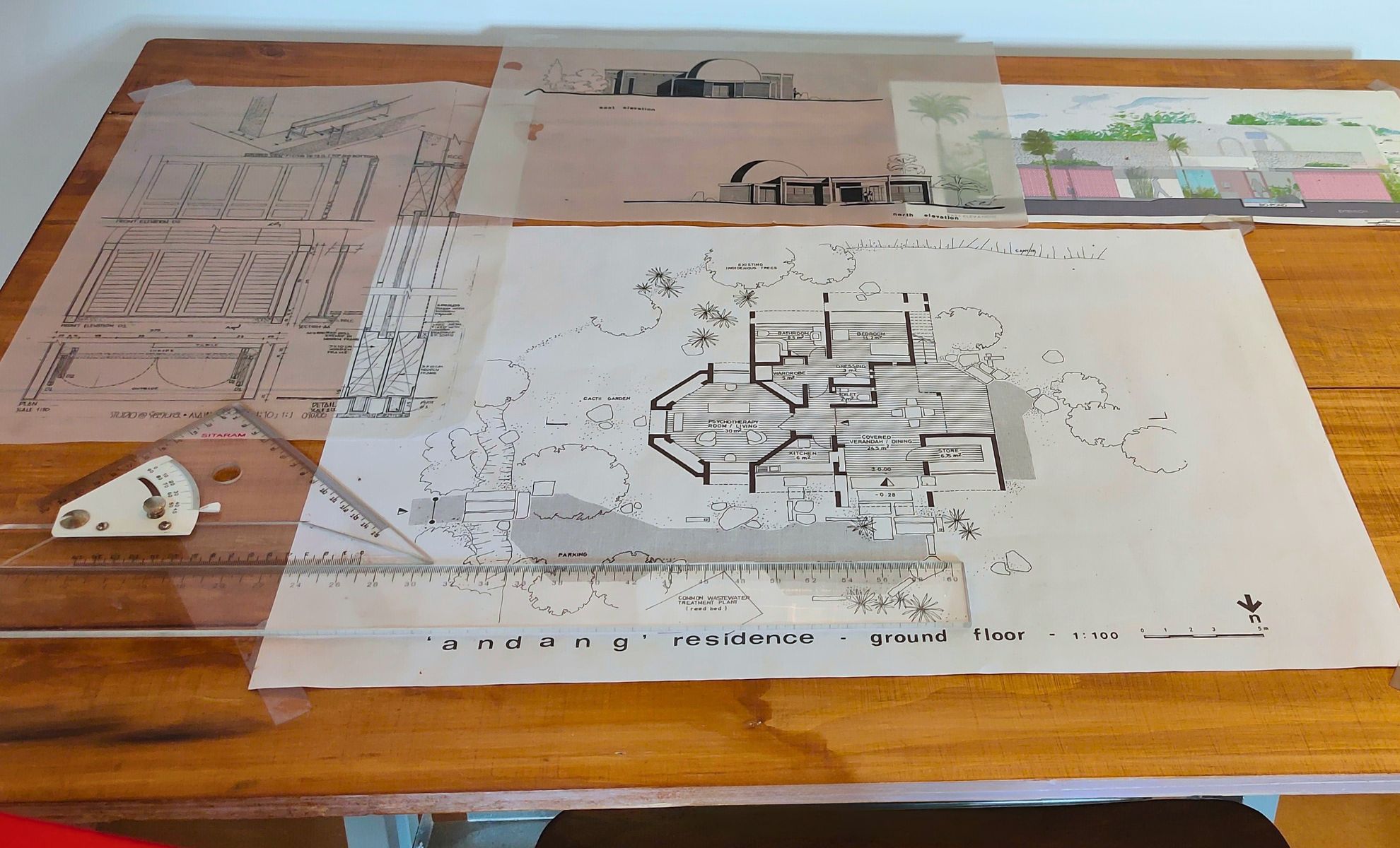
We saw aesthetically set up studio spaces with glimpses of architectural work-in-progress. Intentionally messy, but true to their word, stimulating.

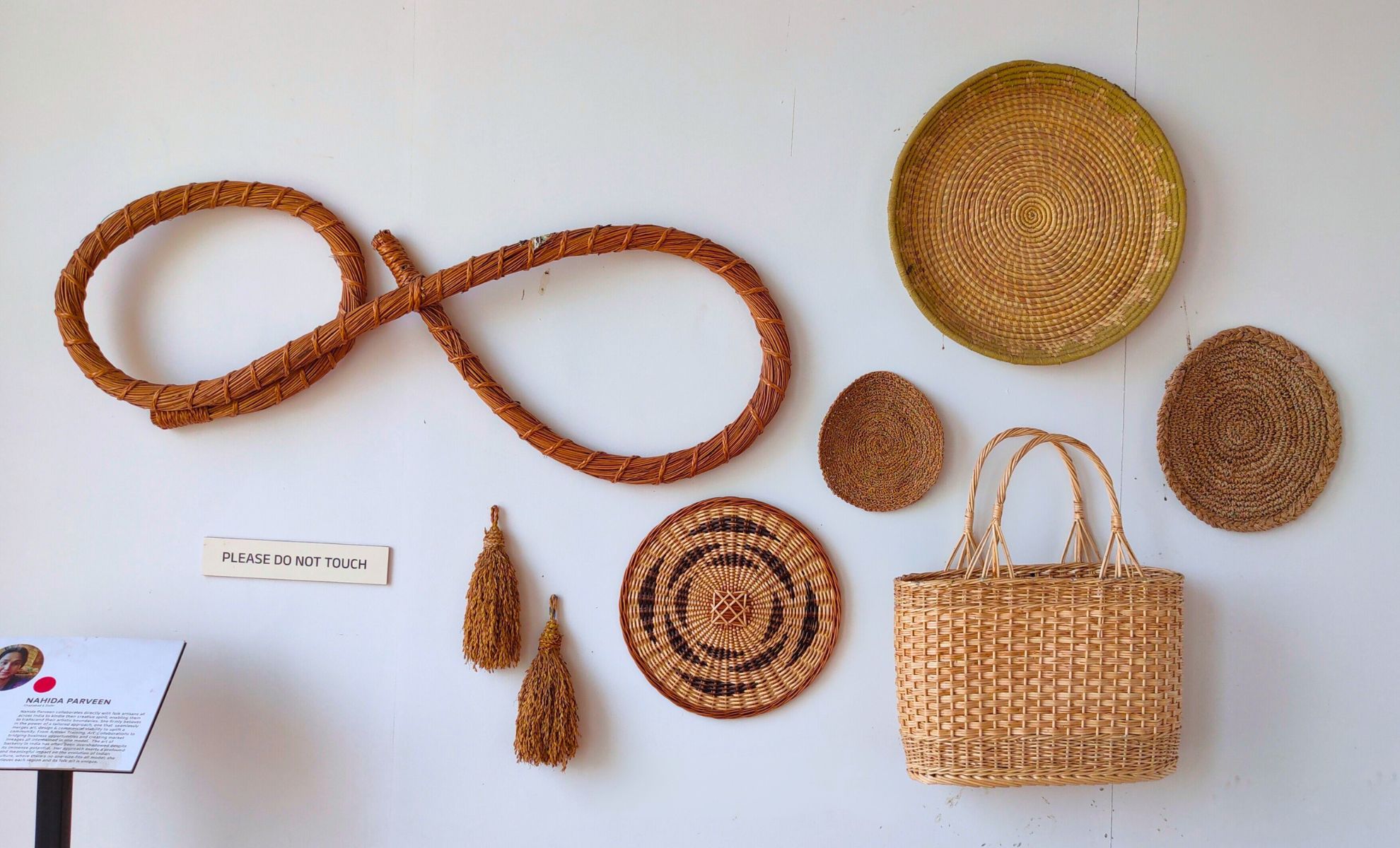
Below are some pictures we saved for later.

Hopefully, one day we’ll have a space we can call our own—when we can finally free up some loft space and get rid of those packaging cartons. A time when we can drill nails into the walls and put up all our artwork (and the two guitars we now have).

Will we find these pictures when we need them? Only time will tell!

Categories
Stories

Shaping the Built


India’s cultural history dates back to prehistoric days. Yet, when it comes to design, the world seems to consider Europe as the centre for excellence.

The India Art, Architecture and Design Biennale 2023 (IAADB23) was a welcome initiative by the Ministry of Culture to show the world (and more importantly, to Indians) what they’ve ignored (or perhaps wilfully tried to destroy, almost succeeding at it).

The initiative captured public imagination. From quirky installations to mind-blowing paintings, and from replicas of temples to modern art, there was something for everyone.

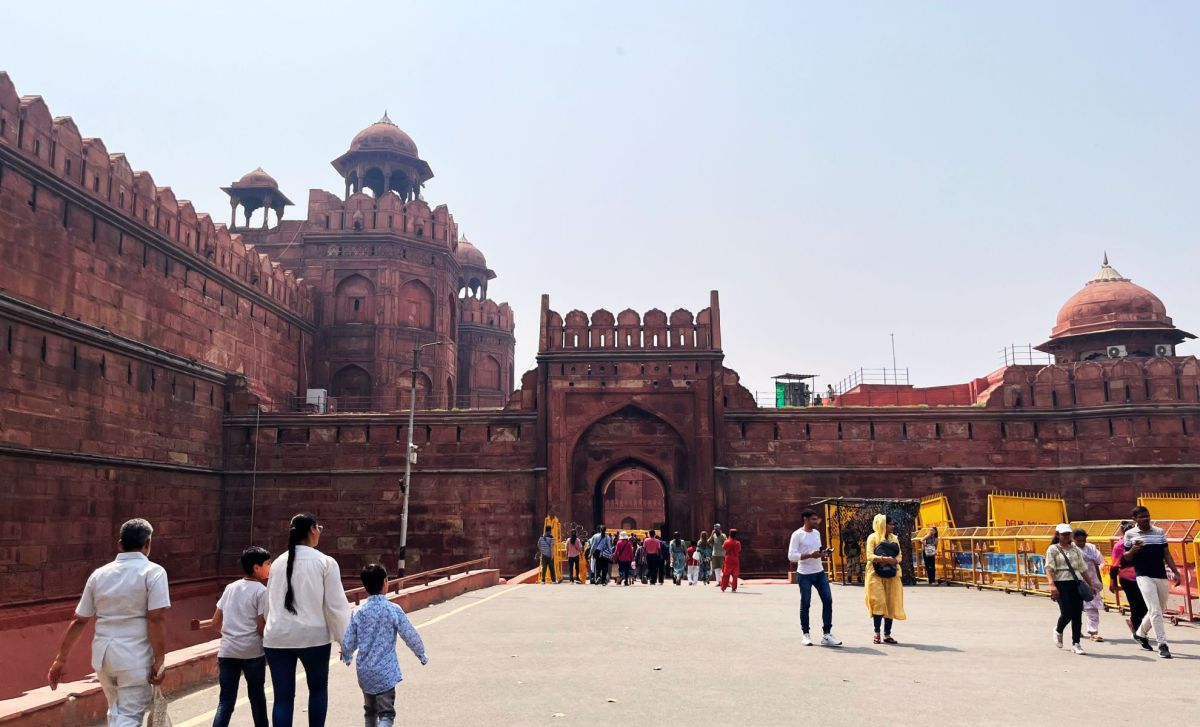
The Red Fort, with its sprawling lawns and numerous barracks was an appropriate choice. To house the cultural history of a nation as rich and diverse as Bhaarat, would have taken nothing short of a small army.

The entire showcase was divided into seven pavilions, each with appropriately beautiful names:

  • Pravesh (Doors of India), Rite of Passage.
  • Bagh-e-Bahar (Gardens of India), Gardens as universe.
  • Sampravah (Baolis of India), Confluence of Communities.
  • Sthapatya (Temples of India), Antifragile Alogrithm.
  • Vismaya (Architectural Wonders of Independent India), Creative Crossovers.
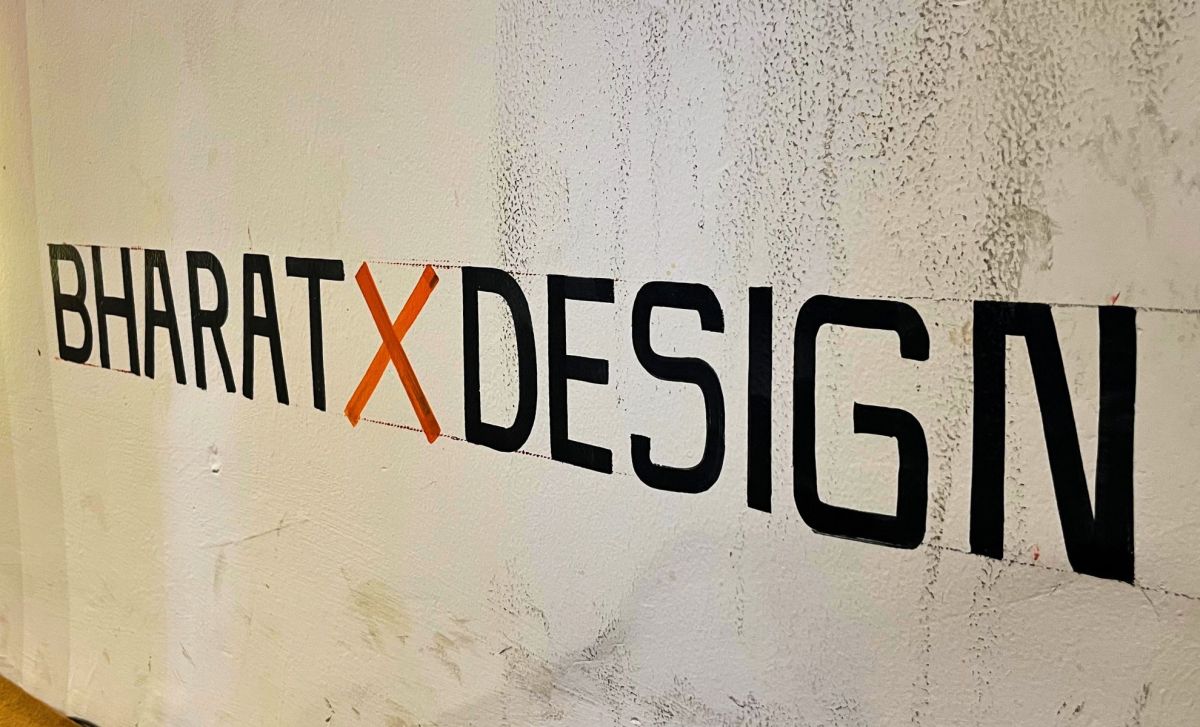
  • Deshaj (Indigenous Design), Bharat x Design.
  • Samatva (Women in Architecture and Design), Shaping the Built.

While the installations at Vismaya and Pravesh made it to Instagram reels, Deshaj was the one that I was looking forward to. But the pavilion that ultimately had the biggest impact on me was Samatva.

Samatva: Shaping the Built

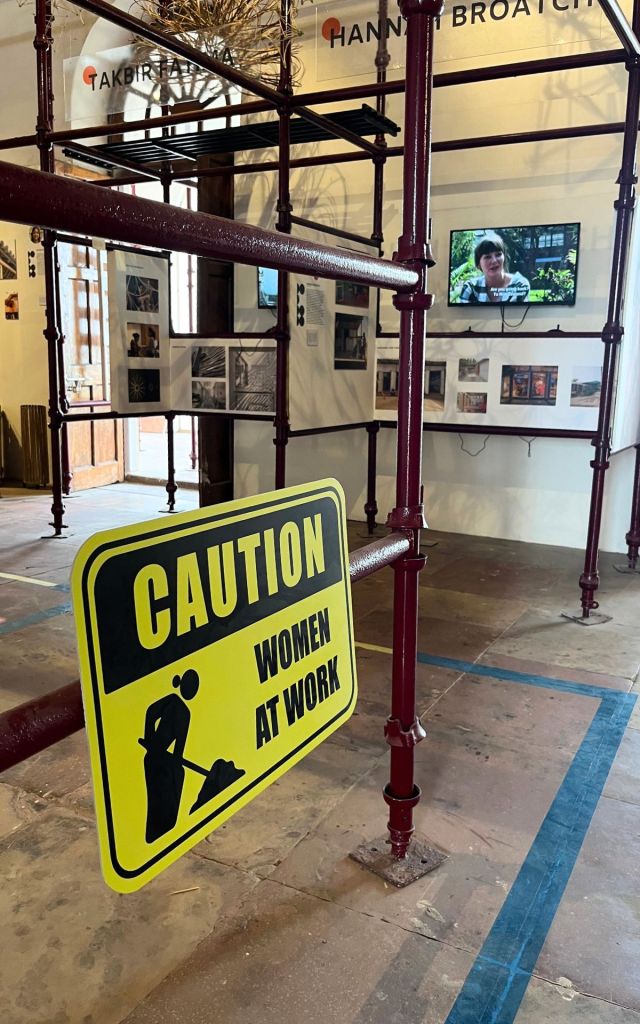
Inside the Smartva pavilion, a signboard reads, “Caution: Women at Work.”

Curator Swati Janu introduced Samatva thus:

The root of the word Samatva (Sanskrit: समत्व) is sama (सम) meaning ‘equal’ which forms the essence of this exhibition and the reason why we showcase women architects here.

Historically and even today women have not been given the same opportunities and recognition as men in the fields of design, architecture and planning, be it in pursuing the profession or being widely published or invited to speak at panels.

Even before we entered the pavilion, we saw these graphics reminding us about the poor representation of women in architecture.

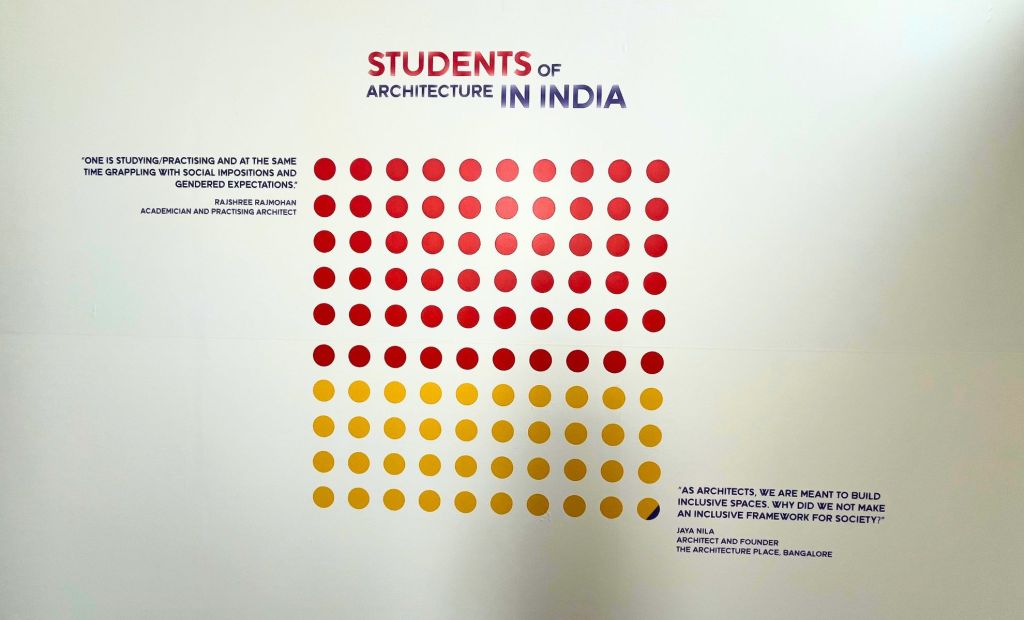
The information visualisation nerd in me, however, couldn’t help but appreciate how beautifully well the information was presented. Using nothing but coloured dots, the series of graphics showed the gap in gender participation in architecture. Yellow dots represented men, while red ones represented women. The saddest visualisation was entirely yellow.

Graphic depicting the gender gap amongst Presidents of Council of Architecture.

Since 1972, there hasn’t been a single non-male president of Council of Architecture.

As architect Amrita Nayak puts it, “Often women have to work harder to be ‘listened to’ by senior leadership, in comparison to men with similar expertise or experience.”

I have been fortunate to have been heard in my work environment. But Amrita’s experience is all too familiar in a social setting.

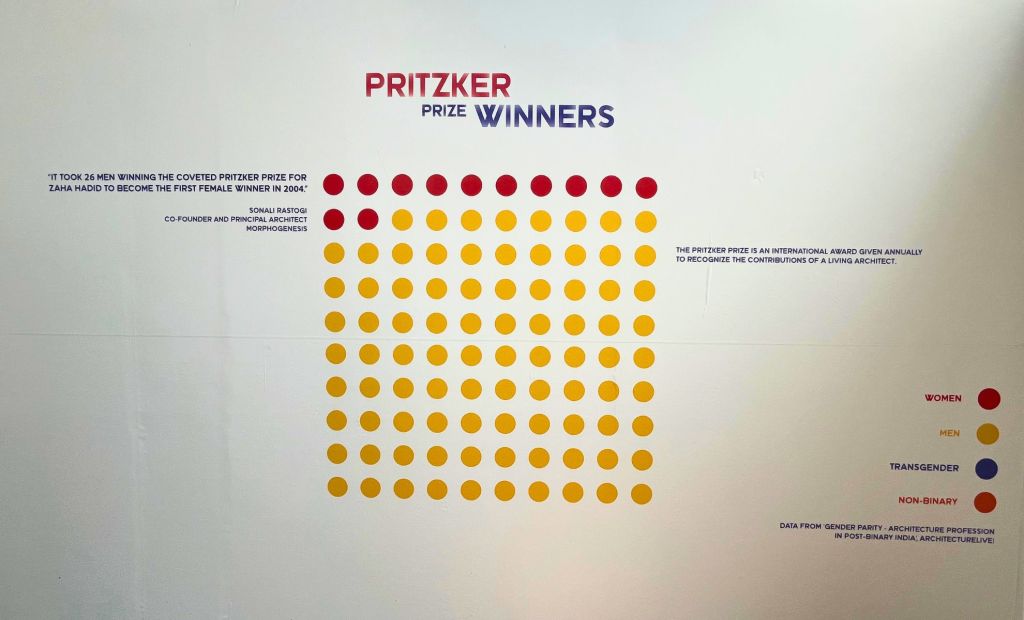
The picture gets somewhat better when it comes to recognition of women in architecture, with 12 red dots against 88 yellow ones. The Pritzker Prize is an international award given annually to recognise the contributions of a living architect.

“It took 26 men winning the coveted Pritzker Prize for Zaha Hadid to become the first female winner in 2004.” – Sonali Rastogi, Co-Founder and Principal Architect, Morphogenesis

Graphic depicting the gender gap amongst Pritzker Prize winners.

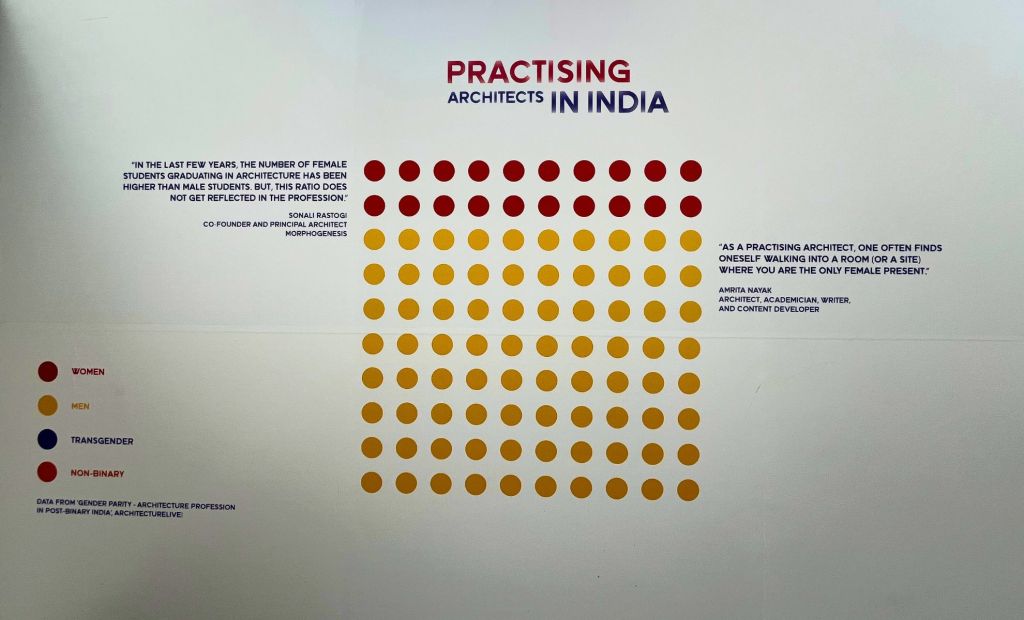
One reason why so few women have been awarded the prize is because there are fewer women who practice. 20 red dots to 80 yellow ones.

Beside the visual, another eerily relatable observation by Amrita reads, “As a practising architect, one often finds oneself walking into a room (or a site) where you are the only female present.”

Graphic depicting the gender gap amongst practising architects in India.

“As architects, we are meant to build inclusive spaces. Why did we not make an inclusive framework for society?”

– Jaya Nila, Architect and Founder, The Architecture Place, Bengaluru

Amongst this sea of yellow dots, one visual represents hope. On the graphic for the number of students of architecture in India, the sixty red dots outnumber the yellow ones—a fraction short of forty. A tiny fraction of blue comes in too, to represent the transgender section of society.

However, as academician and architect Rajshree Rajmohan points out, “One is studying/practising and at the same time grappling with social impositions and gendered expectations.”

Graphic depicting the positive gender gap amongst practising architects in India.

Equanimity is a concept that is rooted in Indian culture, but centuries of colonialism slowly eroded it. But hope springs eternal, and there are some signs of revival. We have a long way to go to rediscover our roots and I hope initiatives like IAADB don’t get restricted to quirky social media shorts but spark genuine conversations around design in Bhaarat.


This is the first of what will likely be a long series of posts dedicated to IAADB23, as I have just stumbled upon the treasure of memories in my digital archives. Stay tuned for more!

Categories
Stories

The Drum House


If you’ve seen Hindi movies or plays set in the Mughal era, then you’ve heard that familiar refrain, “Azeem o Shaan Shehenshah…” An announcer describing the arrival of royalty.

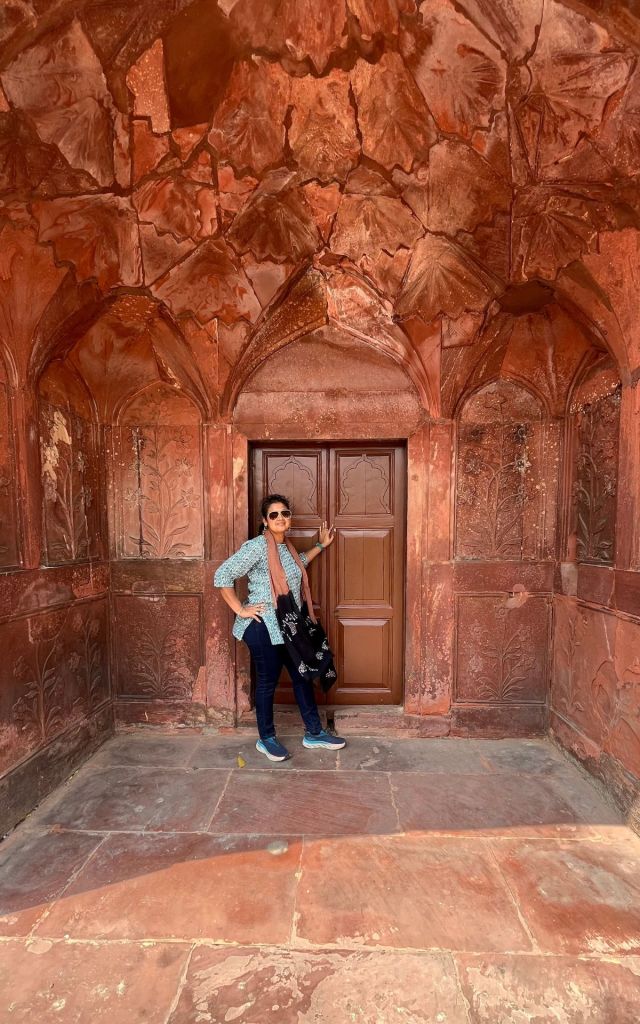
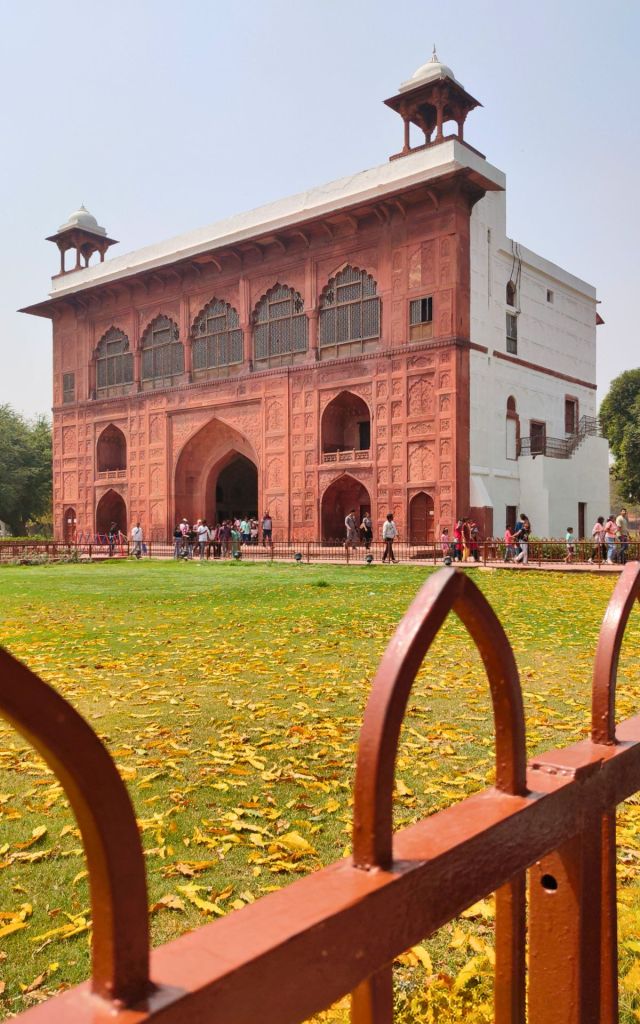
At the Red Fort in Shahjahanabad (Old Delhi), musicians would make announcements from the Naubat Khana, or Naqqar Khana (Drum House), letting the public know that the Emperor or a royal dignitary had arrived.

Announcements were a tiny part of the musicians’ job description. The Mughals were great patrons of art, and musicians would perform five times a day at chosen hours.

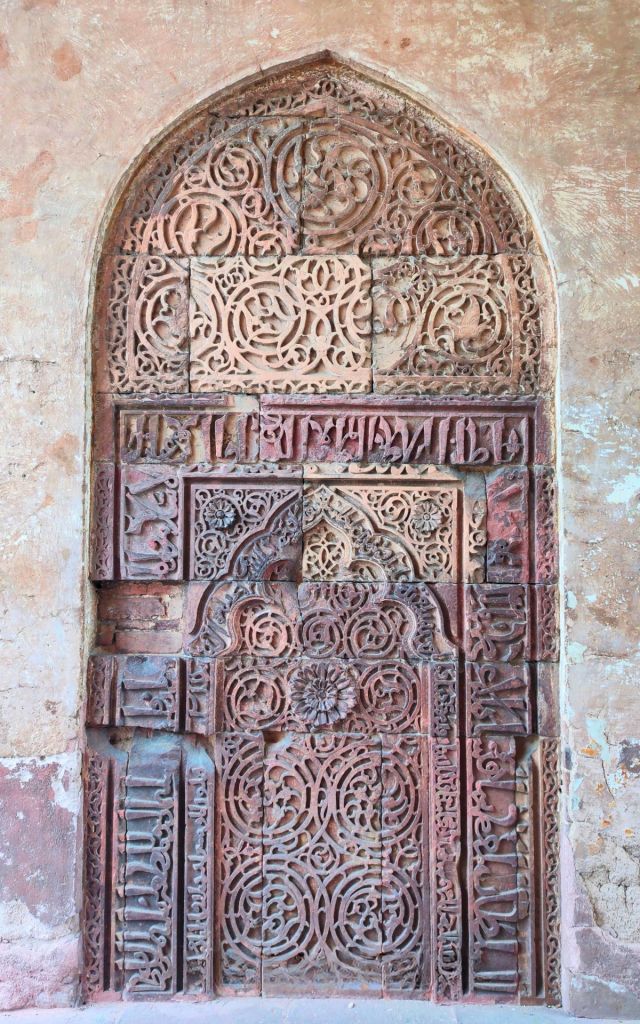
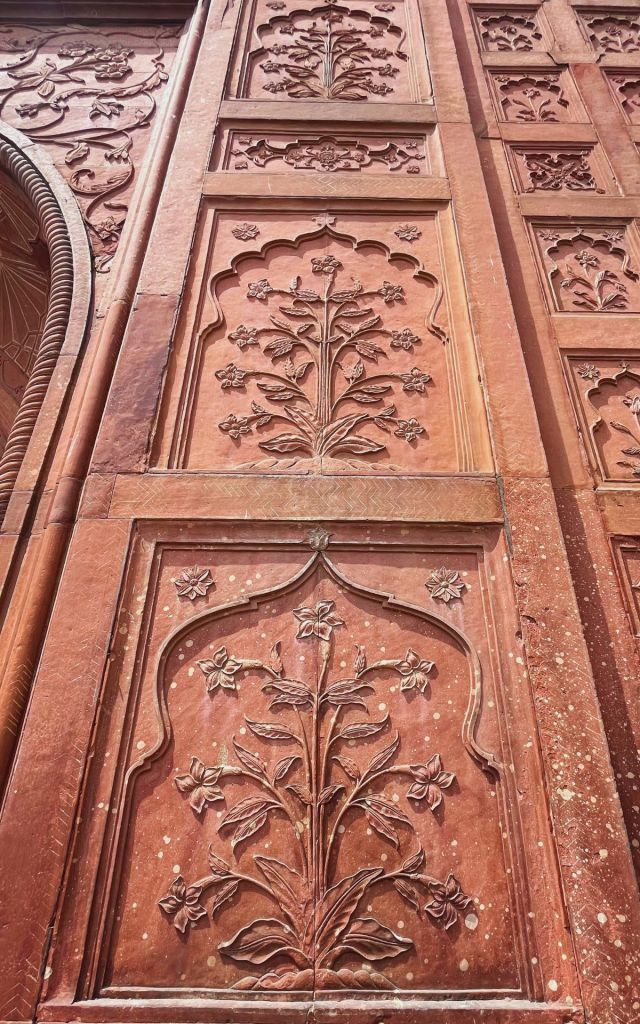
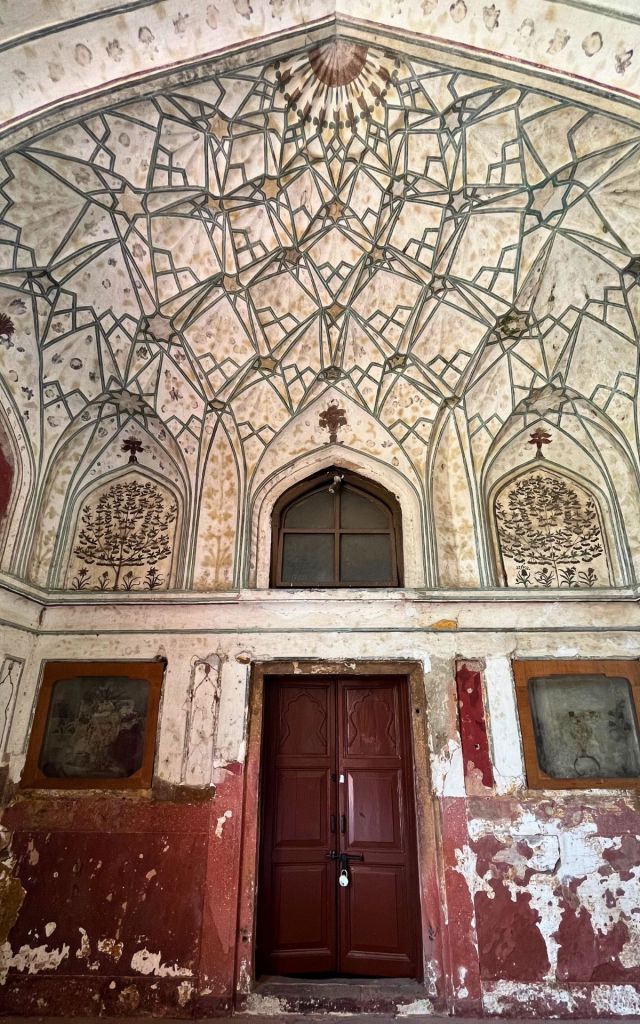
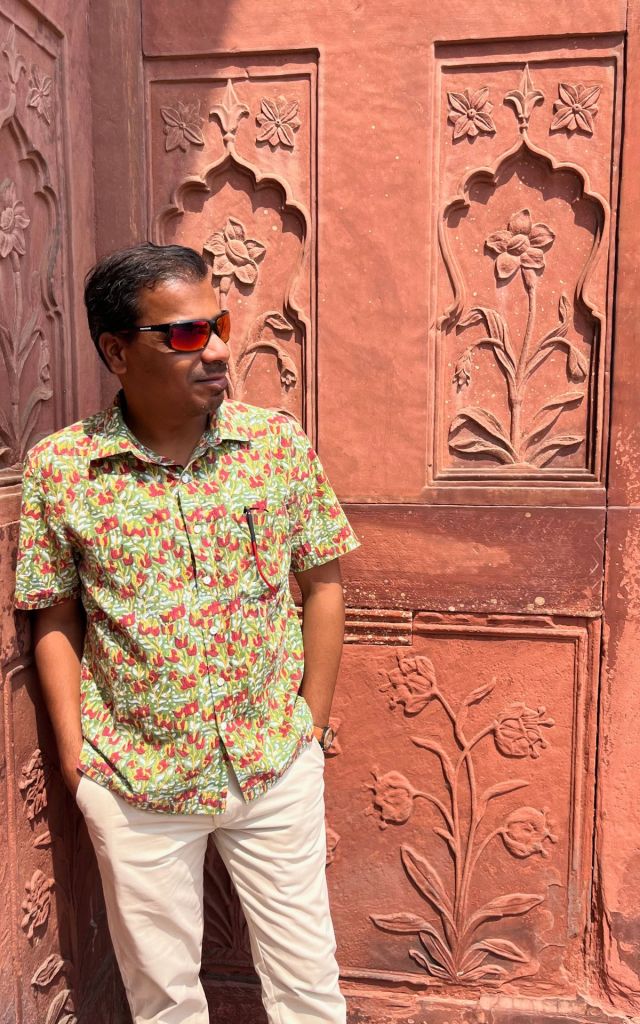
As is apt for any hall that houses artists, the Naqqar Khana is elaborately decorated. Unlike Islamic architecture in other parts of the world where motifs are strictly geometrical, Mughal architecture heavily incorporated natural themes, particularly flowers, in addition to traditional calligraphy.

Here’s a closer look at the intricate details of the Naubat Khana at Red Fort.

Categories
Stories

The Temple Voice


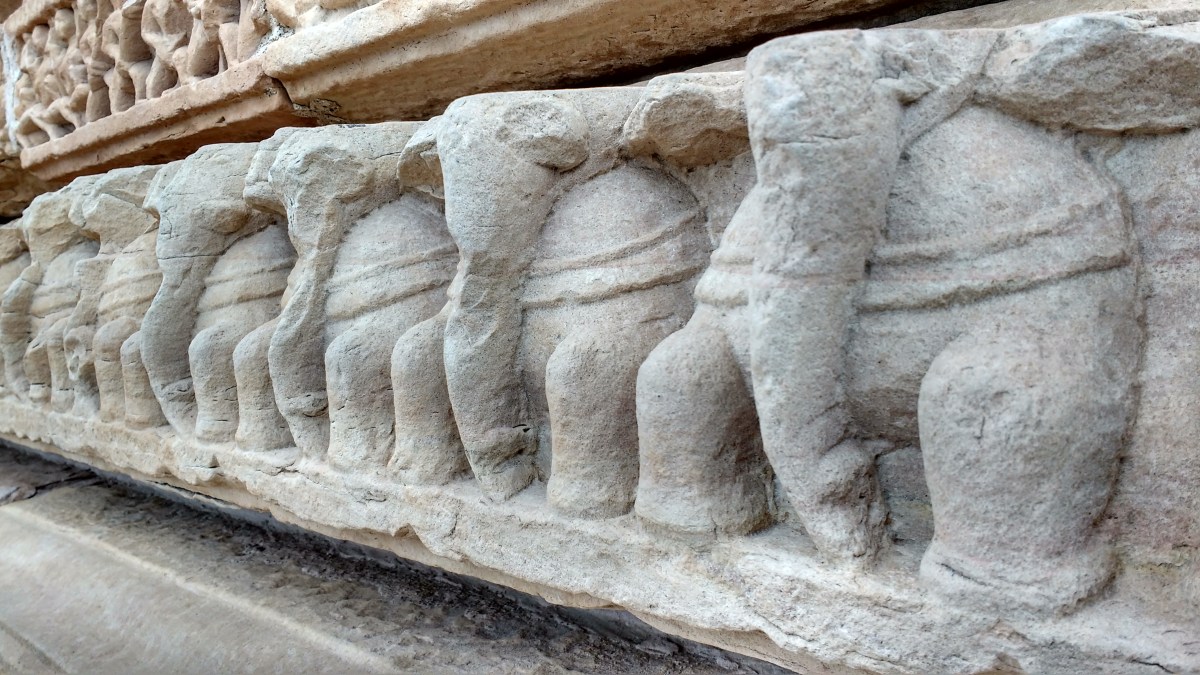
The elaborate sculptures adorning the temples in the Gwalior Fort are too many to count and too beautiful to describe. Many have been weathered by the strong wind. The many kings who fought, captured, and lost the Fort seem to have left the temples untouched.

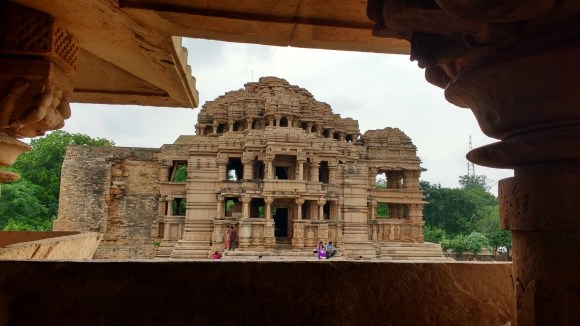
That they have very strange names takes nothing away from their beauty. The “saas” is big, bod and stands proudly, imposing her might on anyone who dares think contrary to her wishes.

The “Saas” as seen from the “Bahu,” Gwalior Fort Complex, Madhya Pradesh, India.

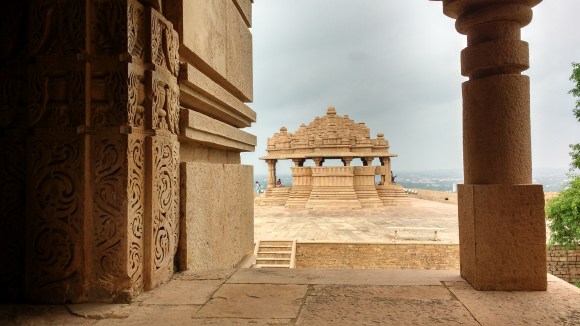
The “bahu” stands at a distance, more towards the edge of a cliff and doesn’t care for attention.

The “Bahu” from the point of view of “Saas,” Gwalior Fort Complex, Madhya Pradesh, India.

Inside the large temple, one gets the feeling of being engulfed by Sahasrabahu, the one with a thousand hands—hands that are dancing, playing music, worshipping, meditating.

Who was the guardian deity of these temples? No one can tell for sure. There are conflicting tales about Shiva and Vishnu. Some claim that these are Jain temples.

Folklore says that the ruling king dedicated the large central structure to his mother, an ardent devotee of Lord Vishnu. The smaller temple was to pacify the king’s wife—a Shaivite.

Tourists take pictures, climb over the walls, and walk precariously along the beams that form the triangles overhead. But few venture close to the sanctum sanctorum.

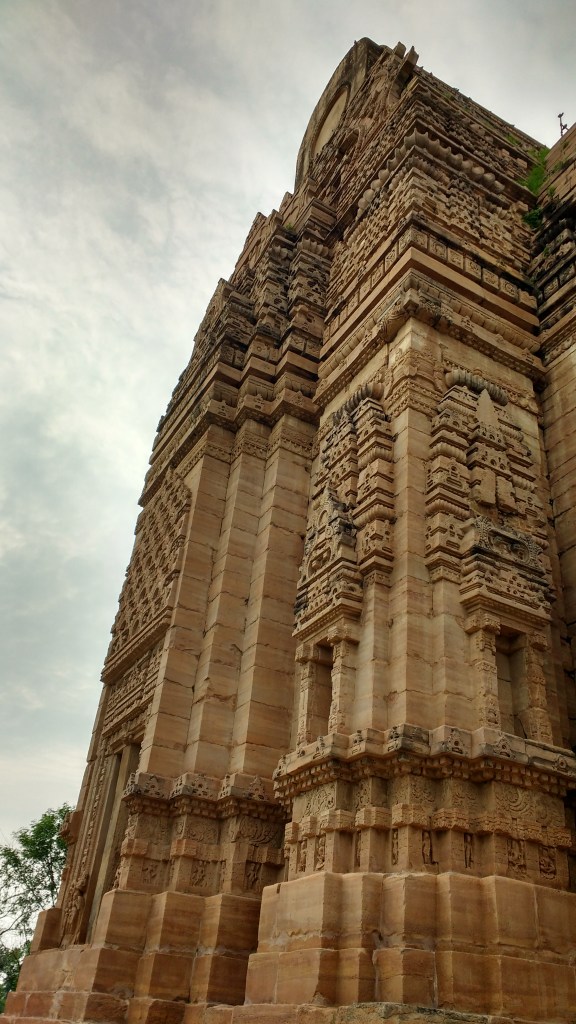
Teli Ka Mandir, Gwalior Fort Complex, Madhya Pradesh, India.

A short distance away, the Teli ka Mandir stands tall. If the building could speak, I might have said, “I am Dravidian.” As I was imagining the walls speaking to me, a man hurried out from inside the temple, cursing under his breath. He looked livid and frantically looked around so he could vent his rage. When he found someone who looked like a caretaker, he let him have it.

“This is a temple! Why are people wearing shoes and trampling all over? Have you stepped inside? It reeks of bat filth.”

“Such a fine architectural monument and you are letting it go to waste. Is this the devotion this was built for?”

The man’s lament fell on deaf ears. The caretaker gave an indifferent glance. “It is no longer in use, sir,” he said, and walked away.

The sanctum sanctorum of all three magnificent temples were dark portals. Beauty graced all the walls outside and inside the halls leading to the small room meant to be the throne of the presiding deity.

If the walls could speak, they might have been as indifferent to our presence as the caretaker was to their plight. With their structure reduced to architectural candy, and the real purpose long given for bats to live in, there was no longer anything left to say.


Still salvaging old work from the archives, I discovered this story’s handwritten draft from May 2017. This too, is a part of the ebook The Speaking Rock. If the pictures are grainy, it’s because they’re from a phone camera from 2016.

I was both proud and awestruck by my phone camera’s prowess back then. It pales in comparison to what my phone can do now. And digital technology today still doesn’t match up to film camera clarity. But grainy footage notwithstanding, it reminds me of some wonderful memories we made almost nine years ago. Isn’t that what pictures are for?

Categories
Musings

A Ray of Hope


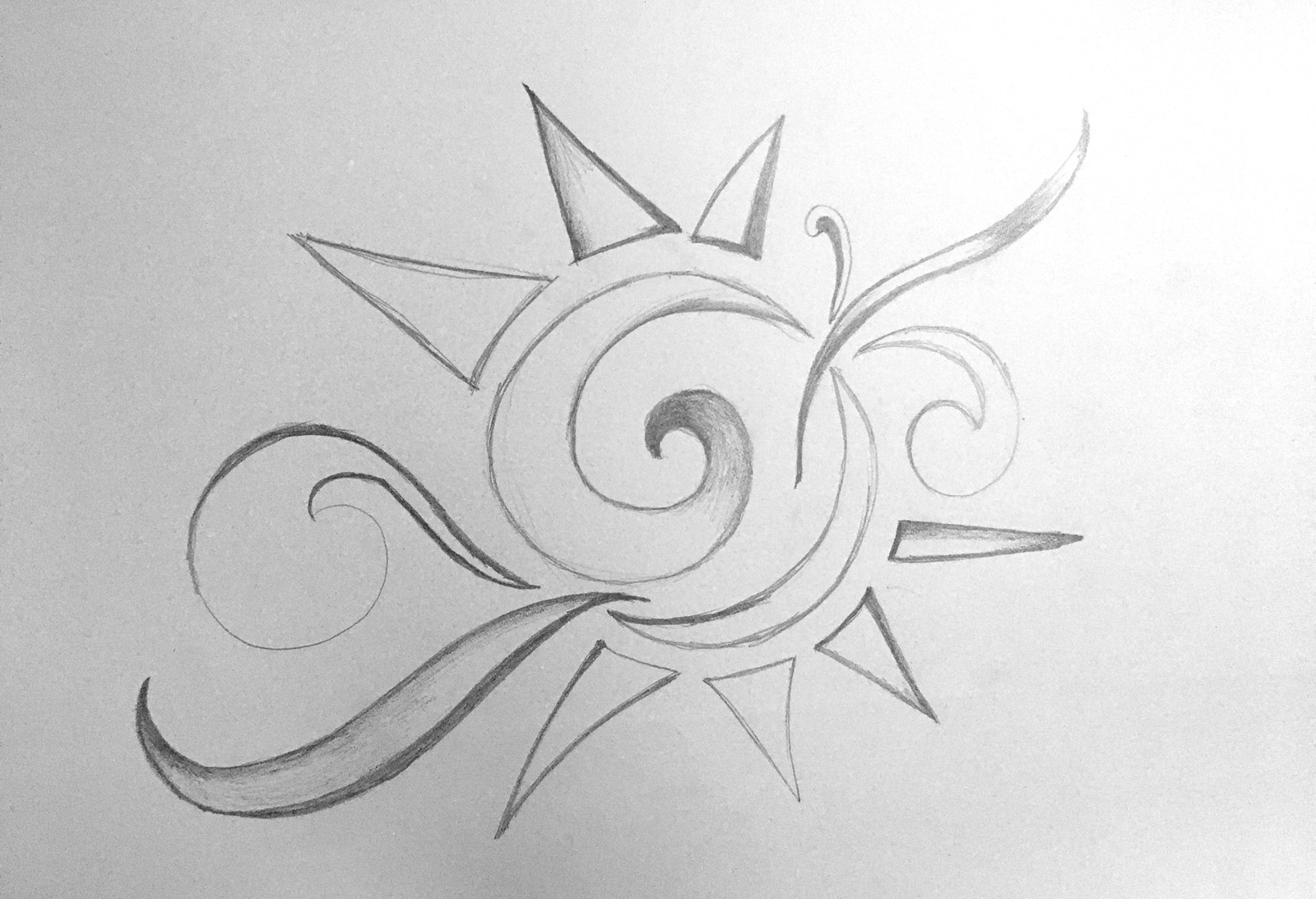
I took out the sketchbook from my cupboard, and began drawing. I don’t quite remember, why. I didn’t set out to draw anything in particular. Perhaps, I had just wanted to rediscover what it felt like, to put pencil on paper.

After about an hour, I felt happy with what I had drawn. I wrote down the date and time below the drawing, 27 November 2019, 9:30 PM – 10:30 PM. And then I went to sleep.

Pencil drawing
Setting the mind and body free

For several years, my sketchbook has been gathering dust in our cupboard. Why? Because I was afraid. Afraid that I would ruin a perfectly clean sheet of A3 drawing paper. That I’d draw something that was not worth showing to anyone.

That November night, I felt that I had achieved something. I had drawn something that looked half decent, and not ruined the sheet. And I slept soundly.

What I didn’t realise then, was that I slept happy, because I had let myself loose and enjoyed the process. I just wanted to draw. And the outcome, just happened to look nice to me.

This realisation hit me earlier this month, when I enrolled for an online sketching class.


For five days, I studied one-point perspective, drawing lines that vanished into the horizon. I spent several hours a day, trying to complete each of the assignments in time. Initially, I fretted over getting each of the lines neat and straight. By the time I had completed my twenty-fifth drawing assignment, I began worrying less about what the final outcome looked like. Completing the assignment, was far more important, than making it look perfect. And so, I just began enjoying the process by drawing freehand. I traced over the pencil lines with my pen, without using a scale.

I had removed the weight of expectation off my shoulder, and that left me feeling deeply relaxed.

With this newfound realisation, I reopened my sketchbook over the weekend, flipped over to that November sketch, and then did something I have never done in my life. I began erasing my drawing.


I erased the dark lines and the shading in between. But I left the faint outlines of the original in place.

I chose colour pencils from my kit — colours to represent nature: sun, fire, trees, wind and water. Then I slid open the blade of the cutter, and began shaving away the wood at the edges of my colour pencils. Each stroke peeling away years of dirt, negligence, and guilt.

And then, I let my hand run free. I ran a damp brush over the coloured areas of the drawing. A pastel shade drenched parts of the paper. A few blobs of water dried in place without blending in. I dipped the pencil tips in water, and let them run deep and dark, revealing each stroke. With each dip, the colour ran for a centimetre or two. In no time, the pencil tips shrunk. Another round under the cutter, and more of the colour lay exposed.

A few hours late into the night, and then a few more the next morning, and my drawing was complete.


I shared this picture on social media, and asked friends to provide a caption. Here’s a list of all the suggestions I received.

  • Sukriti (beautiful creation)
  • There is a rainbow of hope, life, vitality on our way…
  • Vapusa (nature, beauty)
  • Emerging path
  • Jeevan chakra (circle of life)
  • Ray of hope (suggested twice!)
  • The happy sun
  • Break the cycle
  • Circuit breaker
  • Liberation at any step

What surprised me, was that each of the suggestions revolved around nature, beauty, life, and hope.

These are the themes that we are collectively experiencing these days.


For perhaps the first time in our lives, we are living in uncertainty. All these years, we have been taking our lives for granted. We have tortured and exploited nature past its limits.

Now that large section of people are forced indoors, I am happy that nature has got a break from us. It had barely been a few days into the lockdown, that we all breathed clean air, saw blue skies, and even saw stars at night.


Earlier today, a weaver bird began building a nest in the balcony of my parents’ apartment! And what a day for this to happen.

Today is the 50th anniversary of World Earth Day.

Yes, our planet is a mess right now. Scientists have been ringing the alarm bells on climate change for years now, predicting that we are already too late to turn things around and make amends.

But, if there’s one thing I’ve learnt over the past few weeks, is that we have hope. Given a chance, nature can recover (and perhaps forgive us).

Here’s hoping you are safe and healthy.

Here’s hoping our planet remains safe and healthy.


More stories from other publications

Here are some stories I’ve written for different publications over the past few weeks, all related to the current Covid-19 Pandemic, how it’s impacted our life, and what we can learn about how to live sustainably in the future.

Design Tuesdays

The Virus Within

I’ve been looking at this scenario as an opportunity for companies to go fully remote. Most freelancers, including me, have not had to change our lifestyles much, as we’re used to working remotely. We’re already using technology all around us. If we could reduce our commute to work, we’d significantly reduce the fuel emissions from transportation…

Basicolans

When Everything Comes to a Halt

In our hyper connected world, and the ease with which we can now travel, it seems difficult to be confined to a small area. Yet, it is some of the technology behind this hyper connectedness, that makes it possible to remain connected, while being distant…

Travel Tales

The Marooned Traveller

So here we are, in 2020. Quarantined due to a pandemic. Travel, as we knew it for the last few years, and to a large extent, took for granted, has come to a grinding halt.

I can’t help but think that this is some grand cosmic conspiracy, to put us in our place — literally. To slow us down. 

Categories
Stories

The mocking mural


Have you ever felt like the universe is sending out messages to you? I ask because that’s what I’ve felt lately. Take for instance, this chain of events that have taken place over the past two days.

Yesterday, quite by accident, I came across a TED talk by Manoush Zomorodi, in which she explains the connection between boredom, or ‘spacing out’ and creativity. She conducted a challenge with her radio listeners, and asked them to switch off connectivity, and actually experience boredom. As she continued explaining, one of the things that struck to me was this:

Some of them (the people who took the challenge) told me that they didn’t recognize some of the emotions that they felt during challenge week, because, if you think about it, if you have never known life without connectivity, you may never have experienced boredom.

Watching the video, I couldn’t help feel smug. After all, I belong to the generation that grew up without affordable & accessible connectivity. I was also a very very reluctant social media user—mostly because of privacy concerns (I signed up for Instagram only last week!) I thought to myself, ‘we’d always find ways to remove the boredom from our lives through creative pursuits. What a pity, the youngsters of today have no idea what it was like, without phones and apps!’

In reality though, I was in denial. Over the past two days, Atul had chided me for looking at the phone constantly, checking my notifications, and not realising that there was tons of work to be done. (I’ve heard very similar rants from my parents too!) Okay, so maybe I was a bit caught up with this month-long challenge. “It’ll be different after November,” I had protested.

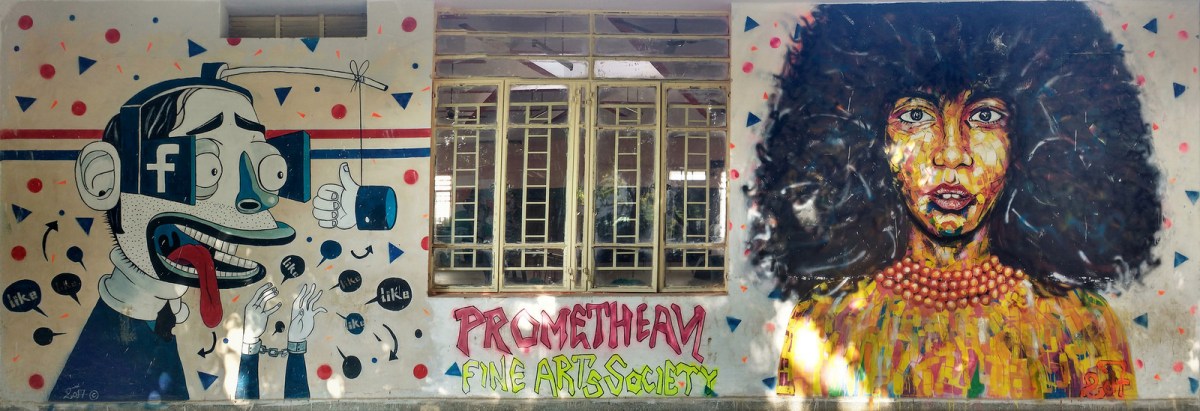
Today, I visited my Alma mater, Shaheed Bhagat Singh College, and saw these beautiful murals outside the cafeteria. As has been the case for quite some time, my friend Ankita and I took out our phones to take pictures.

Murals at Shaheed Bhagat Singh College
Fascinating and beautifully detailed murals by the students of Shaheed Bhagat Singh College

“So, are you going to post these to Facebook?” I asked her. “Oh, it’s not me, it’s you who’s going to be posting it!” she replied with a hint of mischief.

And that did it. With this chain of events coming together, the full effect of my denial towards my phone addiction, stood mocking at me.

Here’s a closer look at what I saw.

What was most ironical, was that my smug attitude about my immunity to social media addiction was clearly illustrated by the very generation of students whom I had pitied just yesterday.

I believe in signs, and when so many clues point in the same direction, it’s definitely a sign.

Here’s the full video of the TED Talk:

(If you’d rather read than watch, visit the TED transcript here)


This is post #25 in this year’s NaBloPoMo, or as Ra calls it Nano Poblano

NaBloPoMo = National Blog Posting Month = Thirty straight days of blogging


My social addictions:
FacebookInstagramMediumTwitterGoogle PlusFlickr

Categories
Stories

Puppets


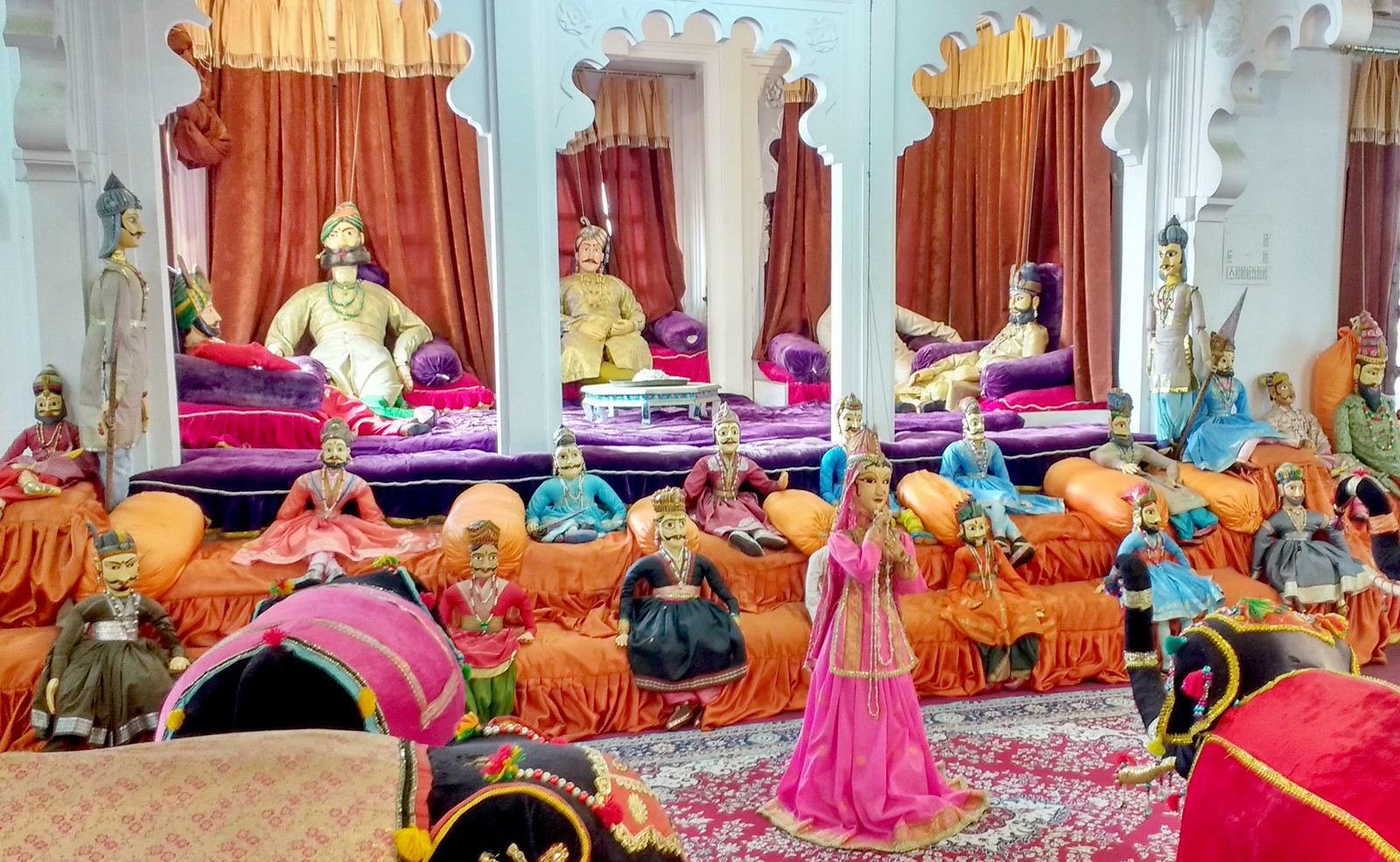
One of the exhibits at Bagore ki haveli, is a hall filled with puppets—of colourful Rajasthani men, women and animals. I’ll let the puppets introduce themselves:

The Durbar
Recreating the Durbar

We are only puppets, our strings are being pulled by unknown forces.
― Georg Büchner

The Dancer
The dancer

The Queen
The Queen

“Sometimes when I’m writing, I wonder if the words have a mind of their own, and if they’re really just using me as a puppet to manifest themselves.”
― Travis J. Dahnke


Photos taken with a Moto G3, edited with Befunky. Click/tap to enter my Flickr Photostream


This is post #21 in this year’s NaBloPoMo, or as Ra calls it Nano Poblano

NaBloPoMo = National Blog Posting Month = Thirty straight days of blogging

Categories
Stories

Art for all


The purpose of art is washing the dust of daily life off our souls.

–Pablo Picasso

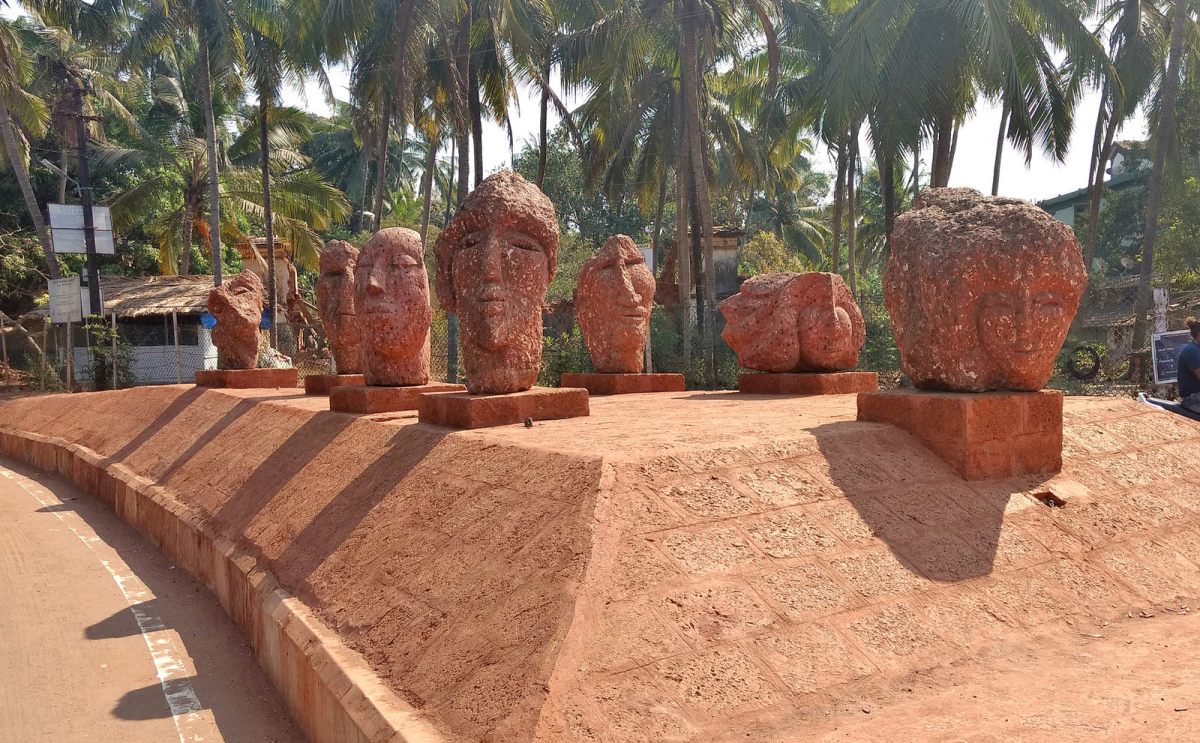
Which is why, perhaps, it must spill out of the halls of exhibitions and galleries, and enter the public space.

Tray of stones
Three course meal

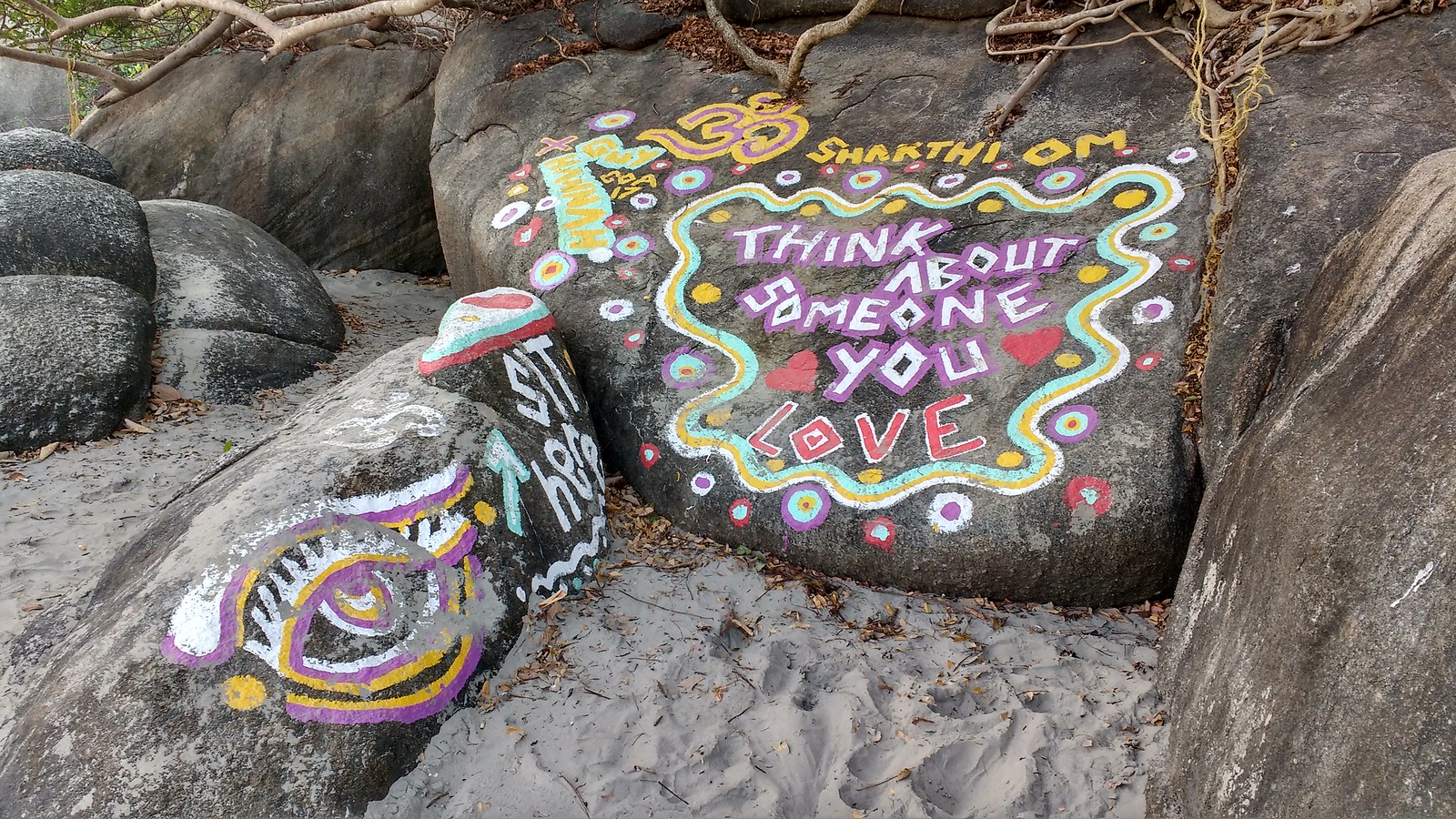
Perhaps it was the influence of Mario, or the general laid back ‘hippie’ culture that is now synonymous with Goa, that encouraged art to spill on to its streets — from graffiti on the rocks, to sculptures at street crossings.

Graffiti at Palolem
Graffiti on the rocks. Palolem beach, Goa

Close up of sculptures
Sculptures at a crossing in Calangute, Goa

Check out more street art from around India: Chennai, Darjeeling, Puducherry

Oh my! What sharp teeth you have!
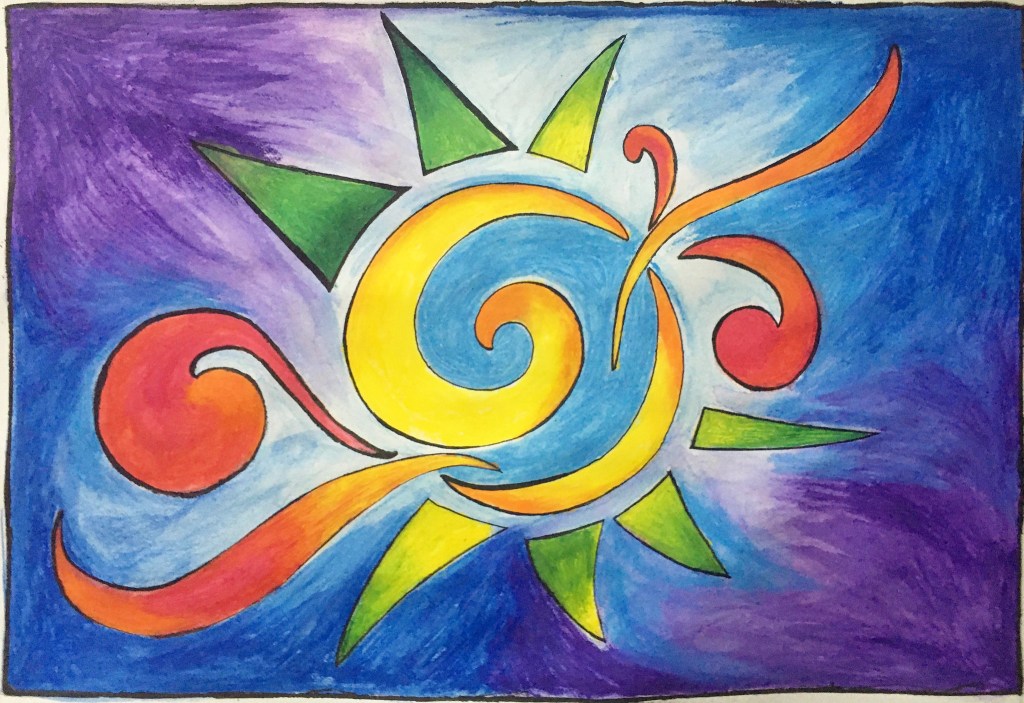
Oh my, what sharp teeth you have! Graffiti at Palolem beach, Goa


This is post #17 in this year’s NaBloPoMo, or as Ra calls it Nano Poblano

NaBloPoMo = National Blog Posting Month = Thirty straight days of blogging

Categories
Miscellaneous

Vibrant Chennai


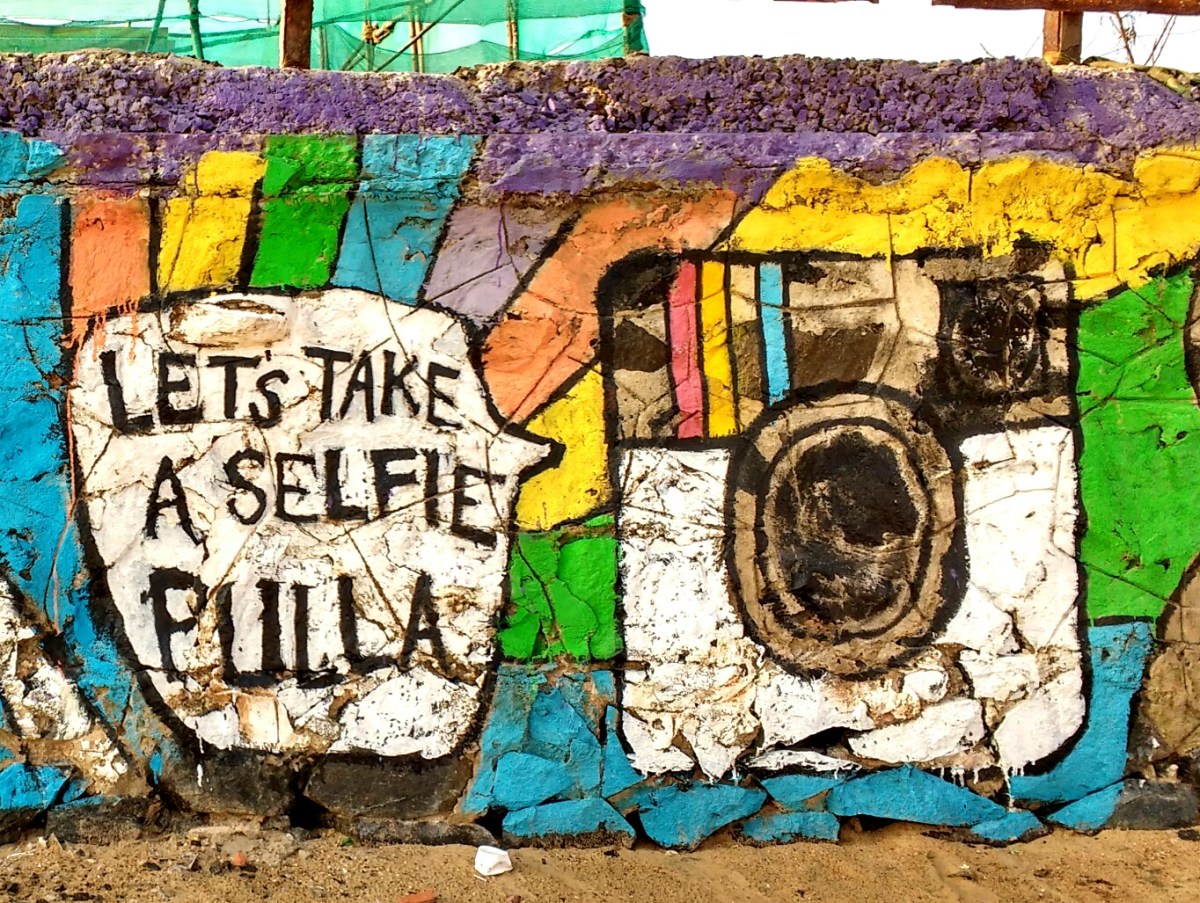
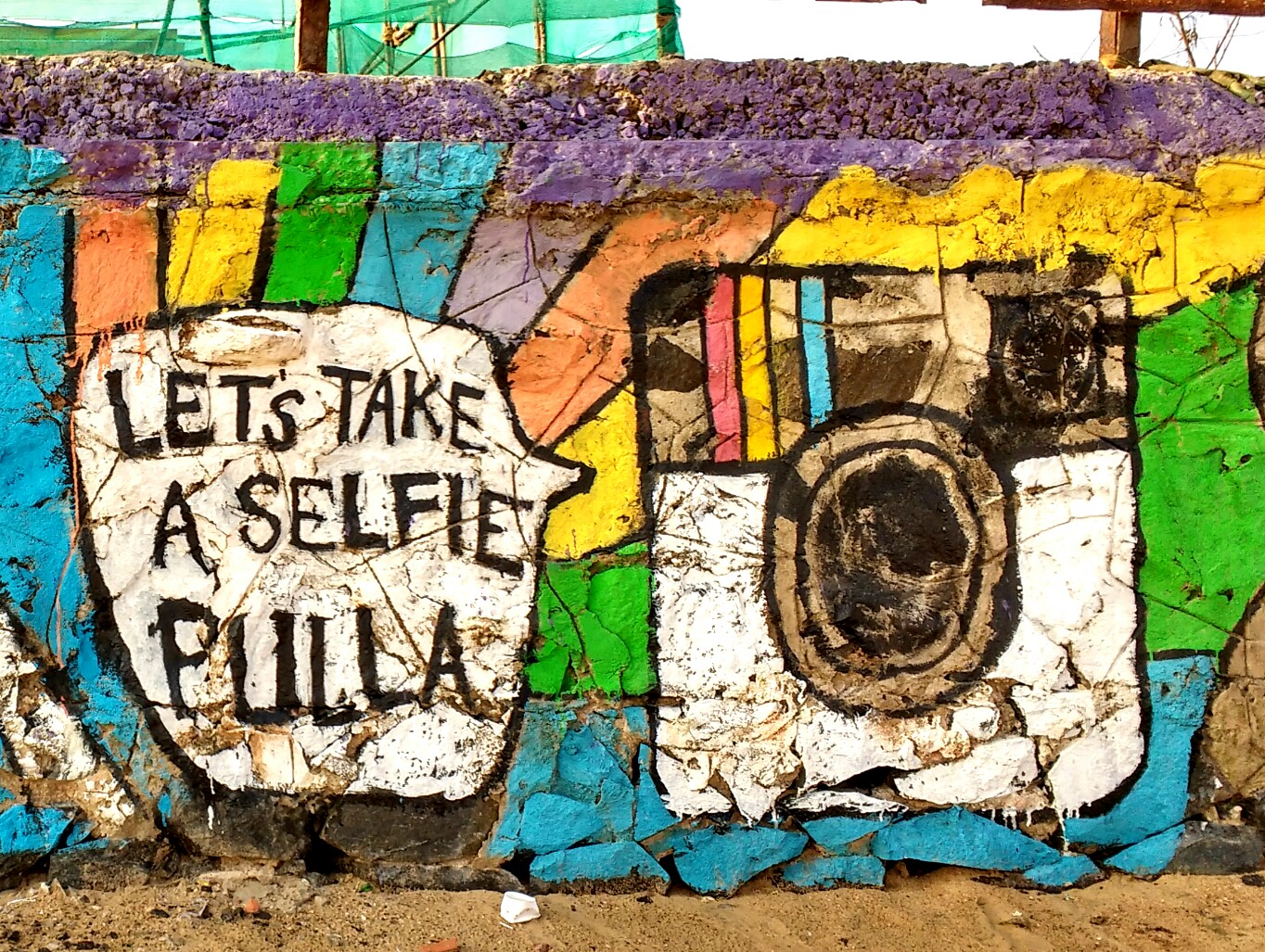
Along one of the ends of Eliot’s beach in Chennai is a long colourful mural depicting city life in Chennai. Here’s one portion of the mural for this week’s Photo Challenge.

image
So how many of you folks in Chennai have taken a selfie here?

For more vibrant images, visit the Daily Post.

PS. I haven’t been able to catch up with posts from you for a while – I’m a bit caught up in the offline world. I’ll be away for some more time, although I’ll attempt a blog post now and then. Hope to catch up with everyone once I return to regular routine.